
Charting a New Course: The Future of the Maritime Workforce in a Digital, Green Era
The global maritime industry is on the cusp of a profound transformation, driven by rapid decarbonization, advanced digitalization, and an increasingly complex regulatory landscape. This article explores how these forces are reshaping the skills, roles, and welfare needs of the maritime workforce. From the demand for "green" engineering expertise to the rise of remote operations and AI-driven systems, we delve into the challenges and opportunities in attracting, training, and retaining the talent essential for sustainable and efficient shipping. The future maritime professional will be a highly adaptable, digitally fluent, and environmentally conscious individual, operating within an industry that must prioritize human-centric approaches to truly thrive.

The Perfect Storm: Drivers Reshaping Maritime Careers
The maritime sector, often seen as traditional, is currently experiencing an unprecedented wave of change. Three powerful forces are converging to redefine what it means to work at sea and ashore:
1. Decarbonization and the Green Revolution
The IMO's ambitious goal of net-zero emissions by 2050 is the primary catalyst. This transition isn't just about new fuels; it's about fundamentally rethinking vessel design, propulsion systems, and operational practices.
- Impact: A massive shift in required technical expertise, creating demand for engineers skilled in handling alternative fuels like ammonia, methanol, and hydrogen, as well as optimizing energy efficiency through novel technologies. Seafarers will need to understand new safety protocols and operational procedures associated with these complex systems.
2. Digitalization, Automation, and AI
From autonomous navigation systems to AI-powered predictive maintenance and sophisticated data analytics, technology is permeating every aspect of shipping.
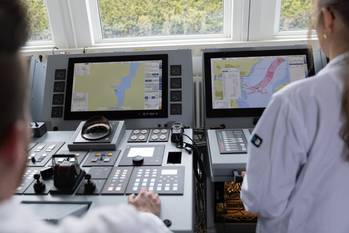
- Impact: New roles are emerging in data science, cybersecurity, and remote operations management, both on shore and potentially in hybrid roles at sea. Traditional roles will require enhanced digital literacy, proficiency with integrated bridge systems, and an understanding of how to collaborate with automated processes. The ability to interpret and act on vast amounts of data will become crucial.
3. Geopolitical Shifts and Supply Chain Volatility
Ongoing global instability, trade realignments, and the increasing frequency of extreme weather events are demanding greater adaptability and resilience from the maritime workforce.
- Impact: Enhanced focus on risk management, situational awareness, and the ability to adapt to rapidly changing operational environments. Supply chain managers, port operators, and vessel crews must navigate complex logistics with greater agility.
Emerging Skillsets: What the Future Maritime Professional Needs
The traditional maritime skillset—navigation, engineering, seamanship—remains fundamental, but it must now be augmented with a new layer of competencies:
- Green Skills: Expertise in alternative fuels (handling, bunkering, safety), carbon capture technologies, energy efficiency optimization, and environmental compliance.
- Digital Fluency: Proficiency in using advanced software, understanding data analytics, familiarity with autonomous systems, and a strong grasp of cybersecurity best practices.
- Problem-Solving & Adaptability: The ability to troubleshoot complex digital and green technologies, adapt to rapidly changing regulations and operational scenarios, and embrace continuous learning.
- Interpersonal & Leadership: With smaller crews and more sophisticated systems, strong communication, teamwork, and leadership skills are more vital than ever, particularly in high-pressure, technologically advanced environments.
- Remote Operations & Shore-Side Roles: An increasing number of roles will involve monitoring and managing vessels from shore, requiring a different blend of technical and operational oversight skills.
Attracting and Retaining Talent: The Human Element Challenge
Despite the technological advancements, the maritime industry remains inherently human-centric. Attracting and retaining the next generation of seafarers and shore-based professionals is a critical challenge.
1. Bridging the Skills Gap
Extensive investment in training and reskilling programs is essential. Maritime academies, shipping companies, and technology providers must collaborate to develop curricula that align with future industry needs. This includes virtual reality (VR) and augmented reality (AR) training for new systems and emergency protocols.
2. Enhancing Quality of Life and Welfare
Long periods away from home, connectivity issues, and mental health stressors have historically impacted seafarer retention. The future must offer:
- Improved Connectivity: Reliable and affordable internet access at sea to maintain connections with family and access online learning.
- Mental Health Support: Robust programs and resources to address the unique psychological demands of seafaring.
- Flexible Work Models: Exploring shorter contract lengths, improved shore leave, and pathways for seafarers to transition into shore-based roles.
- Modern Accommodations: Investing in comfortable living conditions and recreational facilities on board.
3. Promoting Diversity and Inclusion
Broadening the talent pool by actively recruiting from diverse backgrounds and ensuring inclusive working environments will be vital for innovation and resilience. This includes attracting more women to seafaring and leadership roles.
4. The "Seafarer to Shore" Pipeline
Creating clear career pathways that allow experienced seafarers to transition into valuable shore-based roles—such as technical superintendents, operations managers, and maritime technology specialists—will leverage their invaluable practical experience and help retain institutional knowledge.