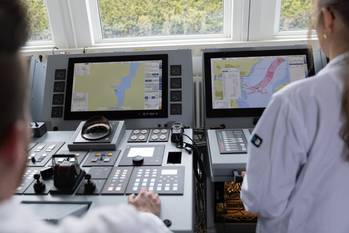

Next-Gen Naval Power: Innovations Reshaping Modern Fleets
Naval forces globally are undergoing a profound transformation, driven by an accelerating pace of technological innovation and evolving geopolitical landscapes. This article explores the cutting-edge advancements that are redefining maritime defense and offense. From the integration of artificial intelligence and unmanned systems to the development of directed energy weapons and advanced stealth capabilities, we delve into how these innovations are enhancing situational awareness, extending operational reach, and enabling new forms of naval warfare. The future fleet will be characterized by networked, intelligent, and highly adaptable platforms, operating across multiple domains to secure sea lanes and project power more effectively than ever before.

The Rise of the Unmanned Fleet: Enhancing Reach and Reducing Risk
Perhaps the most visible shift in modern naval strategy is the proliferation of Unmanned Systems (UxS) – operating both above and below the waves.
Unmanned Surface Vessels (USVs)
- Roles: USVs range from small, swarming reconnaissance craft to larger, optionally manned combatants. They perform intelligence, surveillance, and reconnaissance (ISR), mine countermeasures (MCM), anti-submarine warfare (ASW) support, and even serve as decoy or missile-carrying platforms.
- Impact: Extend the fleet's reach, operate in hazardous environments without risking human lives, and increase the sheer number of "eyes and ears" on the water at a fraction of the cost of traditional warships.
Unmanned Underwater Vehicles (UUVs)
- Roles: UUVs are becoming indispensable for seabed mapping, intelligence gathering, covert surveillance of adversary activity, anti-mine operations, and acting as forward sensors for ASW missions.
- Impact: Provide persistent presence in contested sub-surface areas, enhancing stealth and depth of information without putting submarines or divers in undue danger.
Aerial Drones (UAVs)
- Roles: While not strictly "naval" in platform, carrier-launched and ship-borne UAVs are revolutionizing naval aviation, offering long-endurance ISR, targeting, and even limited strike capabilities.
- Impact: Expand a carrier strike group's reconnaissance footprint exponentially and reduce wear-and-tear on manned aircraft.
Cognitive Dominance: AI, Machine Learning, and Cybersecurity
The true power of modern naval innovation lies in how data is collected, processed, and acted upon. Artificial Intelligence (AI), Machine Learning (ML), and robust cybersecurity are the brains of the future fleet.
- Enhanced Situational Awareness: AI algorithms can fuse data from countless sensors (radar, sonar, electronic warfare) to identify threats faster, track more contacts, and present commanders with clearer, actionable intelligence.
- Predictive Maintenance: ML is used to analyze equipment performance, predicting failures before they occur, reducing downtime, and optimizing maintenance schedules for greater operational readiness.
- Autonomous Decision Support: AI assists in complex decision-making, such as optimizing resource allocation in combat or planning the most fuel-efficient routes for a task force.
- Cyber Resilience: As fleets become more networked, cybersecurity becomes paramount. Innovation focuses on resilient networks, threat detection, and active defense against sophisticated cyberattacks that could cripple naval operations.
Revolutionizing Engagement: Directed Energy and Hypersonics
The way naval forces engage threats is undergoing a dramatic evolution, moving beyond traditional munitions.
- Directed Energy Weapons (DEWs):
- Lasers: Offer precise, high-speed, low-cost engagements against drones, small boats, and potentially missiles. Their "magazine" is limited only by power.
- High-Power Microwave (HPM): Designed to disrupt or disable electronic systems, offering a non-kinetic engagement option.
- Hypersonic Missiles: Capable of traveling at speeds exceeding Mach 5, making them incredibly difficult to detect and intercept. These represent a significant leap in offensive strike capability against both land and sea targets.
- Advanced Conventional Munitions: Innovations in precision guidance, longer ranges, and enhanced survivability for traditional missiles and torpedoes continue to boost their effectiveness.
Smarter Platforms: Stealth, Power, and Integrated Combat Systems
The ships themselves are becoming more sophisticated, designed for lower observability and greater combat power.
- Stealth Technology: Advanced hull designs, radar-absorbing materials, and acoustic quieting techniques reduce a ship's radar, infrared, and acoustic signatures, making them harder to detect and track.
- Integrated Combat Systems: Seamlessly connect all sensors, weapons, and decision-making systems across the fleet, allowing for rapid sharing of data and coordinated responses.
- Electric & Hybrid Propulsion: Future warships are increasingly designed with integrated electric propulsion, offering greater power flexibility for energy-intensive systems like DEWs, quieter operation, and improved fuel efficiency.
- Modular Design: Enables easier upgrades and mission reconfigurations, allowing platforms to adapt to evolving threats and technologies throughout their lifespan.
Conclusion: A Networked, Adaptive Future Fleet
The future of naval power is defined by a convergence of technological advancements that emphasize connectivity, autonomy, and speed. Navies are moving towards highly integrated, multi-domain forces where manned and unmanned systems operate collaboratively, guided by artificial intelligence, and armed with revolutionary weapons. This ongoing wave of innovation ensures that naval forces remain at the forefront of defense capabilities, adapting to new threats and maintaining global maritime security in an increasingly complex world.