
Texas A&M Develops Smart Navigation Assistant
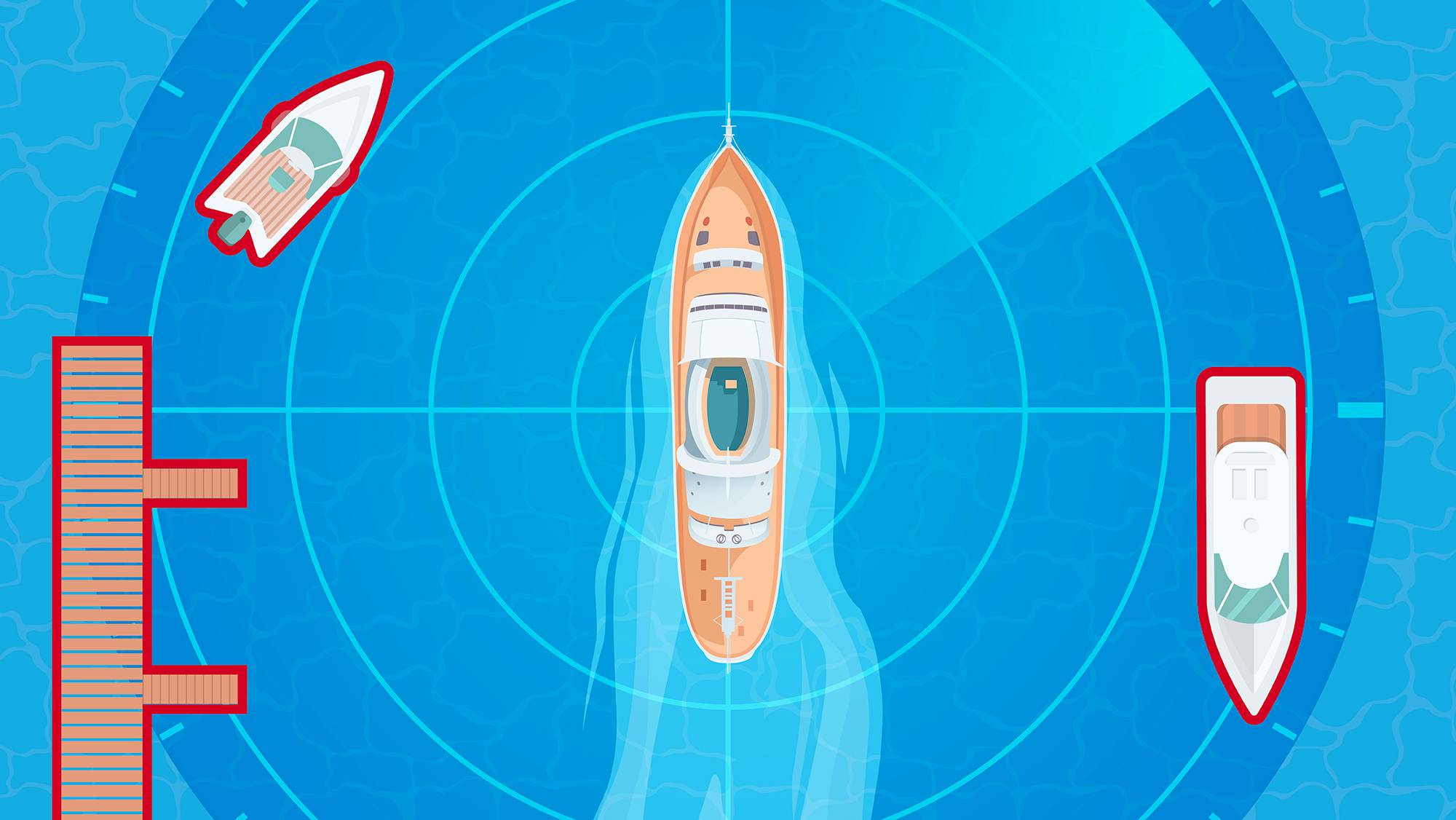
Ocean engineering researchers at Texas A&M University are developing a smart system to combat collisions between ships and stationary structures such as offshore platforms. By combining raw radar imaging data with advanced machine learning, the researchers have created SMART-SEA, a system that gives seafarers real-time guidance on how and when to maneuver their vessel.
SMART-SEA can detect stationary objects in all weather conditions, and seafarers can choose how to receive the data — either visually, audibly, or a combination of the two.
To design a practical system for seafarers, researchers conducted a focus group with Texas A&M Galveston faculty members, many of whom are former seafarers. Researchers also collaborated with industry experts, the U.S. Navy and the U.S. Coast Guard. Their experience assisted in defining practical decision-making skills like when to yield and how far to turn.
Dr. Mirjam Fürth, an assistant professor of ocean engineering, said: “By using data to provide seafarers with real-time instructions, we hope to reduce marine collisions.”
At its core, the SMART-SEA system aims to provide seafarers with the ideal maneuvers to ensure vessel safety, without controlling movements autonomously. SMART-SEA provides the information visually on a dashboard, but the decision and steering of the vessel is controlled by the seafarer.
Key data points used by SMART-SEA to provide maneuvering suggestions are raw radar images and vessel maneuverability — determined through a tiered model based on seafarer experience, computational fluid dynamics models, and machine learning trained on past vessel motions.
Raw radar images are processed using a machine learning tool that identifies and classifies stationary objects near the vessel. Once identified, the vessel’s maneuverability and seafarer’s experience level are considered to recommend the safest action for the vessel.
Fürth and her team, including former seafarer and Texas A&M Galveston Professor of Practice Ryan Vechan, tested SMART-SEA aboard the Texas A&M research vessel Trident, with preliminary data supporting the prototype as a way to reduce marine collisions.
The project’s initial funding came from the U.S. Department of the Interiors and the U.S. Department of Energy through the Ocean Energy Safety Institute under a one-year contract.
The researchers hope to secure additional funding to continue testing SMART-SEA on other vessels and to improve the system. Fürth believes that the system’s low costs could allow it to be adapted for recreational vessels, reducing boating accidents.
Also collaborating on the research are Ph.D. students Andrew Deng and Yijun Sun, Research Assistant Professor Dr. Björn Winden, and Assistant Professor Dr. Freddie Witherden.