
Marine Link
Tuesday, March 17, 2026

Container Ships Maritime Vessels - The Backbone of International Trade

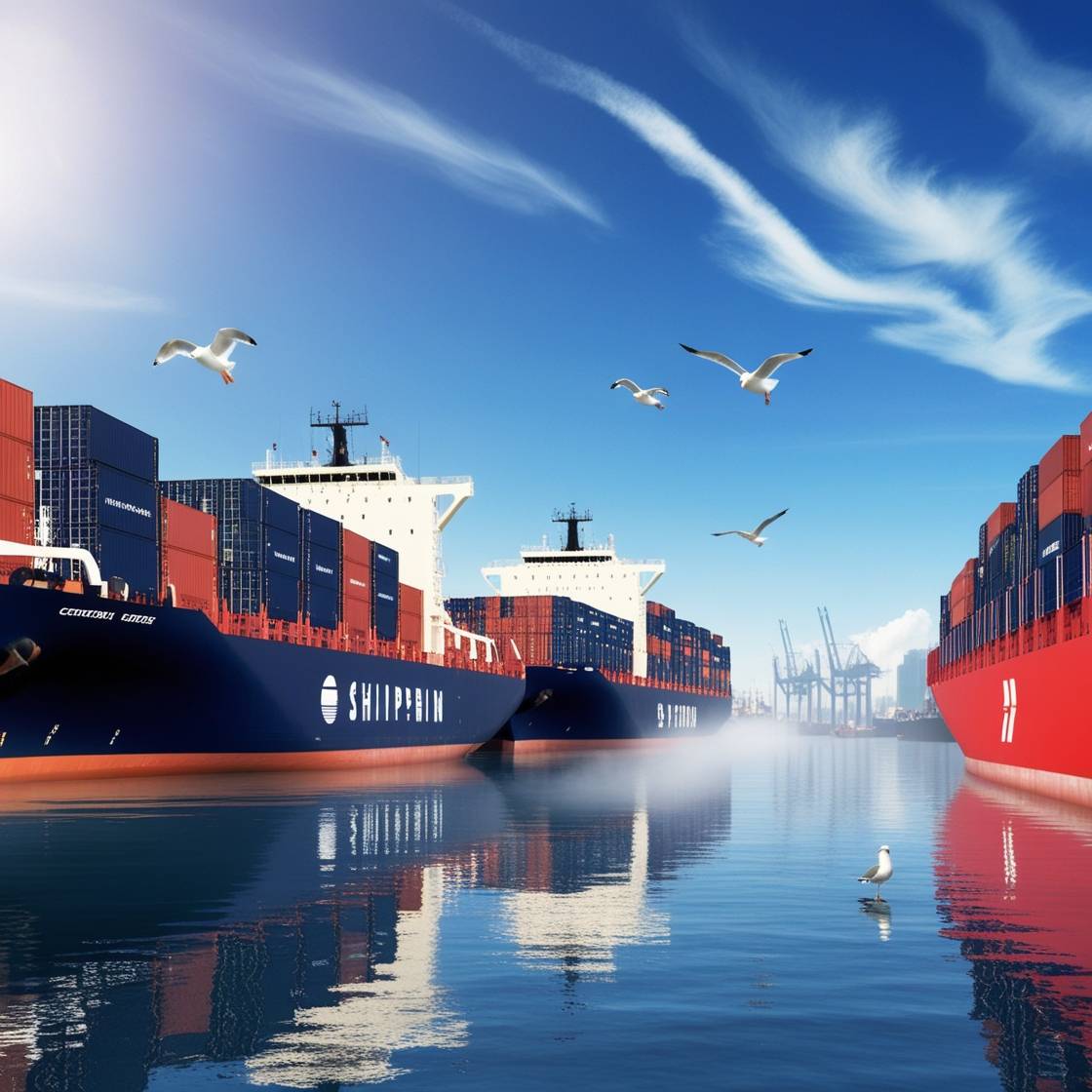
Container ships are vessels designed specifically to transport standardized containers. Container ships have revolutionized shipping, making it more cost-effective and efficient to transport goods across oceans.
History and Evolution

Malcom McLean, an American entrepreneur, introduced the concept of containerized shipping in the middle of 20th century. Prior to the advent of containerization cargo was handled manually through a process called break-bulk. This method was time-consuming and labor-intensive. It also posed a risk of damage and theft. Containers that could be loaded, unloaded and stacked easily, as well as transported, marked a major shift in the maritime logistics industry.

In 1956, the ideal X, which carried 58 containers, made its way from Newark, New Jersey, to Houston, Texas. The advent of container ships marked a new age in shipping. Container ships have increased in size and capacity over the years, with some modern vessels capable to carry more than 20,000 TEUs.

Design and Features

Container ships have a flat deck with a large cargo area that is open and where the containers are stacked. The key features are:

  • Capacity : Container ships are measured in TEUs. They range from small feeders that have a capacity of only a few hundred to ultra-large containers vessels (ULCVs), which can carry more than 20,000 TEUs.
  • Efficiency Modern container ships have advanced propulsion systems, hull designs and other features that improve fuel efficiency and reduce emissions.
  • Safety : Twist-locks are sophisticated locking mechanisms that secure containers, keeping them stable during transit. Container ships are also built to withstand rough seas and harsh weather conditions.
  • Automation Many container ships use automated systems for navigation and monitoring as well as cargo handling to improve operational efficiency and safety.

Types of container ships

  1. Feeder Ships Small vessels that collect containers and distribute them to and from larger ports.
  2. Panamax Ships. These vessels are named after their ability navigate through the Panama Canal. They have different capacities and dimensions.
  3. Neo-Panamax Ships: These ships are designed to pass through an expanded Panama Canal. They have a greater capacity.
  4. Ultra Large Container Vessels: the largest container ships used on major trade routes around the world.

Global Trade: Importance

Container ships are crucial to the global economy. Container ships allow for the efficient transport of goods over vast distances and connect manufacturers and consumers all around the globe. It has helped to grow international trade by allowing a variety of products to be shipped at low cost, including electronics, machinery, food, and clothing.

Standardized containers streamline the logistics process by reducing the handling time and the risk of damage. The result has been significant cost savings, and an increased level of reliability within the supply chain. This is beneficial to both businesses and consumers.

Environmental Considerations

Shipping industry's environmental impact is increasingly being scrutinized. Container ships, especially the largest, are major sources of greenhouse gases. The industry has responded by investing in cleaner technologies such as:

  • LNG Propulsion Reduces emissions of nitrogen oxides, sulfur oxides and carbon dioxide.
  • Advanced Hull Design: Minimizing the water resistance to increase fuel efficiency.
  • Exhaust Gas Cleaning Systems: Reduce harmful emissions from ship exhaust.

There is also a push to develop zero-emission ships powered by alternative fuels like hydrogen and ammonia as well as wind-assisted technology.


Container ships have revolutionized the shipping industry and made global trade more accessible. The shipping industry is challenged to balance efficiency and environmental sustainability as the demand for international transportation continues to increase. Container ships will remain an important part of the global trade in years to come, thanks to ongoing technological advancements and a commitment towards reducing emissions.

Tags: Maritime Vessels Cargo Vessels Global Trade

© Merrillie / Adobe Stock

AMSA Detains Bulk Carrier Due to Unpaid Wages

The Australian Maritime Safety Authority (AMSA) has taken swift action to protect seafarer welfare…

Source: Cool Carriers

Cool Carriers Takes Delivery of First Next-Generation Snow-Class Reefer Fleet

Cool Carriers, the world’s largest operator of specialized reefer vessels, is set…

Copyright VideoFlow/AdobeStock

Navigating the "Third Era" of Maritime Cyber Risk

The global maritime industry has long been the arterial system of the world economy…

© Robert - stock.adobe.com

Windward Daily Brief March 5: Conflict Reaches Indian Ocean as Hormuz Remains Shut

Windward is publishing daily intelligence reports on the crisis in the Gulf as the…

© Adobe Stock/ilynx_v

Greek Seafarers Strike Over Stranded Vessels in the Gulf

Greek seafarers began a 24-hour strike on Thursday, halting local ferry services…

© Tennessee-Tombigbee Waterway Development Authority

Tennessee-Tombigbee Waterway Development Authority Elects Governor Tate Reeves as 2026 Chairman

The Tennessee-Tombigbee Waterway Development Authority has elected Governor Tate…

© International Labour Organization, International Chamber of Shipping, International Transport Workers’ Federation

Organizations Release Joint Support Statement on Maritime Labour Convention 20th Anniversary

On behalf of the International Labour Organization, the International Chamber of Shipping…

© Adobe Stock/KPs Photography

Exports to China Fall to Lowest Output in Three Years

Exports from the Port of Los Angeles, the busiest U.S. gateway for ocean trade, fell…

© pressmaster / Adobe Stock

ICS Responds to US Maritime Action Plan

The International Chamber of Shipping issued the following statement in response…

Design work is under way for Port Alpha, a greenfield “next-generation shipyard”. 
Image courtesy Saronic Technologies

AI Welding Studied for Louisiana Shipyard

U.S. autonomous vessel developer Saronic is moving to integrate physical AI-driven…

© Adobe Stock/Gian

Panama Canal, USGBC Sign MOU to Enhance US Agricultural Trade

The Panama Canal and the U.S. Grains & BioProducts Council (USGBC) signed a Memorandum…

Image courtesy Valenciaport

Valenciaport Sees Record Container Volumes in '25

Spain’s Valenciaport closed the 2025 financial year with higher revenues, sharply…

Related Articles

Rising Technological Threats in Global Shipping

The maritime industry, a crucial pillar of global trade, has always grappled with the challenge of piracy. Over the past few decades, the nature of piracy has dramatically evolved, and new technologies have become a double-edged sword. On one hand, they offer improved safety and navigation capabilities; on the other, they provide pirates with unprecedented tools that enhance their capacity for disruption, theft, and violence. Let's delve into the growing threat of new technologies in maritime piracy and the implications for global maritime security.

Container Ships Maritime Vessels - The Backbone of International Trade

Container ships are vessels designed specifically to transport standardized containers. Container ships have revolutionized shipping, making it more cost-effective and efficient to transport goods across oceans.

Digitalization and Smart Shipping: Transforming the Maritime Industry

The maritime industry, a cornerstone of global trade, is undergoing a significant transformation through the adoption of digitalization and smart shipping technologies. As the industry navigates the challenges of efficiency, sustainability, and safety, digital solutions are emerging as key drivers of change. From enhanced operational efficiency to real-time data analytics, digitalization is revolutionizing how ships and ports operate, paving the way for a smarter, more connected maritime future.

Maritime Piracy in Southeast Asia

Maritime piracy in Southeast Asia has been a persistent and complex issue with deep historical roots and contemporary relevance. This region, characterized by its extensive coastal areas, strategic maritime routes, and bustling trade activities, has frequently been targeted by pirates. The issue of piracy in Southeast Asia presents economic, security, and governance challenges that require regional cooperation and coordinated efforts.

How are new propulsion systems reducing shipping emissions

New propulsion systems reduce shipping emissions through several key mechanisms, contributing to lower fuel consumption, increased energy efficiency, and adoption of cleaner energy sources:1. Hybrid Propulsion SystemsHybrid systems combine traditional engines with electric motors and batteries…

Subscribe for
Maritime Reporter E-News

Maritime Reporter E-News is the maritime industry's largest circulation and most authoritative ENews Service, delivered to your Email five times per week