
Tanker Vessels are vital links in the global supply chain
Tanker ships are an important component of the maritime sector, and they transport liquid cargoes around the world. These vessels are vital to the supply chain for energy, chemicals and other essential commodities. There are many types of tankers, each designed for specific cargoes such as oil, LNG, chemicals, or other liquids.
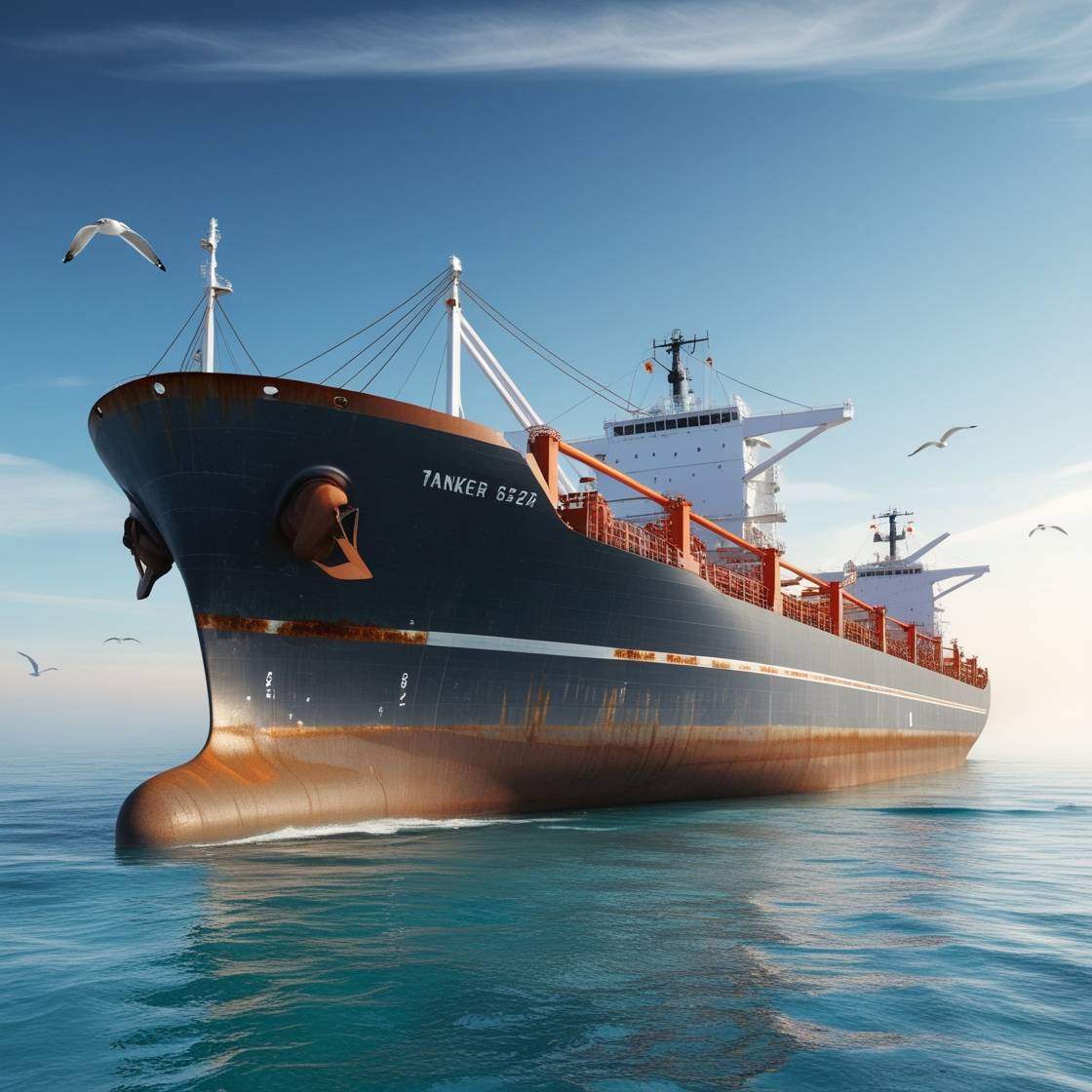
Types of tankers
Oil Tankers
- Crude oil tankers: This vessel transports crude oil unrefined from extraction sites to refineries. These vessels come in a variety of sizes including Very Large Crude Carriers with capacities ranging from 200,000 to 312,000 deadweight tons and Ultra Large Crude Carriers that can carry as much as 550,000 DWT.
- Product tankers: These smaller tankers transport refined petroleum product such as gasoline and diesel. They also carry jet fuel and kerosene. These vessels are vital for the distribution of refined products worldwide.
LNG tankers
- LNG Tankers : LNG tanks are designed to transport liquid natural gas. This is done by cooling it to -162degC. These vessels are equipped with sophisticated containment systems such as membrane tanks and spherical Moss tank to transport LNG safely.
Chemical Tankers
- Tankers : These vessels can carry liquid chemicals ranging from agricultural fertilizers to industrial chemicals. Chemical tankers have separate piping systems and multiple tanks to prevent contamination of cargoes. These tankers are constructed with corrosion-resistant material to safely handle hazardous chemicals.
Other Specialized Fuel Tankers
- Tankers: Under pressure, liquefied petroleum gases (LPGs) are transported in liquid form by LPG tankers. These vessels are equipped with specialized tanks to safely handle pressurized cargo.
- Asphalt/Bitumen tankers: These tankers are designed to transport heated asphalt or bitumen. They have heated and insulated tanks that maintain the cargo temperature.
- Wine/Edible oil Tankers Smaller tankers for transporting food-grade liquids, such as vegetable oils and edible oils. These vessels are equipped with stainless steel tanks that meet strict hygiene standards.
Design and Features
The design of tanker vessels is geared towards ensuring the safe transport of liquid cargoes.
- Double hulls Modern tankers have double hulls that provide extra protection in the event of a hull rupture.
- Piping and Pumping Systems: Modern piping and pumping systems are essential for efficiently loading and unloading the cargo. These systems can handle different viscosities, chemical properties and other characteristics of cargo.
- Cargo Heating Systems : Tankers equipped with heating systems are used to transport cargoes at a specific temperature, like crude oil, asphalt and certain chemicals.
- Inert Systems To reduce the likelihood of a fire or explosion, oil tankers use inert systems to fill their empty cargo tanks with nonflammable gases, usually nitrogen. This lowers the oxygen content and therefore the chance of combustion.
Global Trade: Importance
Tanker vessels play a vital role in the global supply chain. They ensure a steady flow of liquid commodities. These vessels are essential to the global economy, as they transport chemicals, oil, and gas from production centers around the world to consumers. Oil tankers, for example, transport crude oil from the Middle East and refineries in Asia Europe and North America. LNG tankers, on the other hand, transport natural gas produced in Qatar and the United States from energy-hungry markets like Asia and Europe to Asia and Europe.
Environmental Considerations
Tanker vessel operations pose significant environmental challenges. This is especially true in terms of oil spills and emissions. The maritime industry has taken several steps to reduce these impacts.
- Standards and Regulations: International standards, such as the ones imposed by International Maritime Organization, require double hulls. They also mandate regular inspections and strict operational procedures in order to reduce the risk of spills.
- Cleaner Technologies Tankers are adopting cleaner technologies such as LNG propulsion systems and exhaust gas cleaning (scrubbers) to reduce emissions of SOx, NOx and CO2.
- Ballast Water Management To prevent the spread invasive species on tankers, regulations must be followed to ensure that ballast waters are treated before discharge.
Tanker vessels play a vital role in the global economy by facilitating the transport of liquid commodities. These vessels, which range from massive crude oil tanks to specialized LNG and chemical carriers, are designed to meet specific cargo needs while adhering strict safety and environmental standards. Tankers are expected to play an increasingly important role as the industry evolves, balancing global trade demands with environmental concerns.