

BlueRights Conference Highlights Need for Strengthened Enforcement of MLC 2006
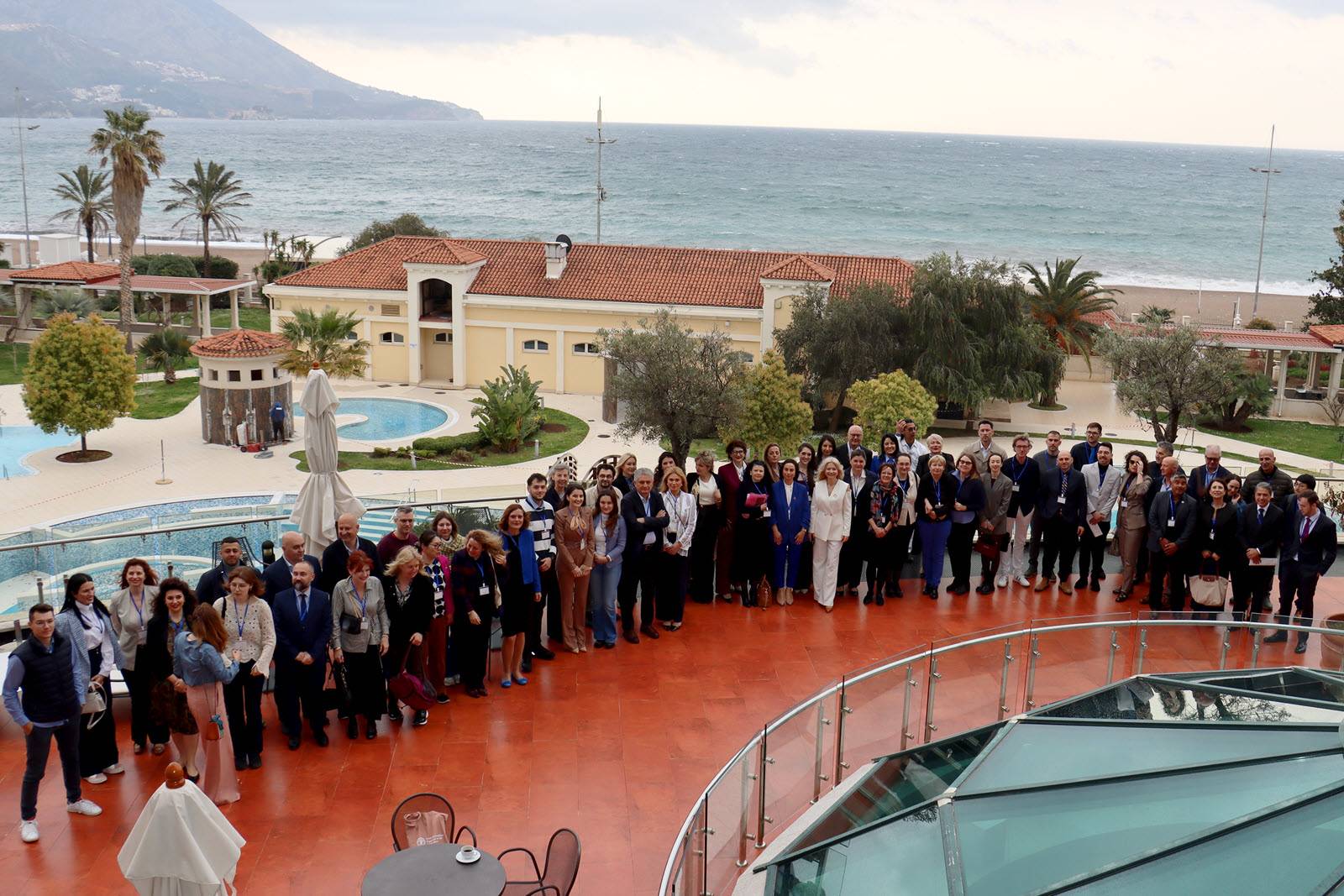
Following the BlueRights International Conference on the Protection of Health at Sea in March, organiser Prof. Dr Senka Šekularac-Ivošević is calling for holistic solutions to the current gaps in ensuring seafarers’ human rights are met.
Frequent cases of crew abandonment, non-payment of wages, poor living conditions, and serious consequences for seafarers’ mental health demonstrate that the gap between regulations and reality remains significant. “Physical health, mental health, nutrition, safe working conditions, and legal protections must be addressed in a unified and coordinated manner,” she said, highlighting the need for an approach that also reflects contemporary challenges such as geopolitical instability, climate change, economic inequalities, and rapid technological transformation.
The conference brought together multidisciplinary experts and stakeholders from 39 countries with the aim of improving regulations, raising awareness, and providing practical tools for ensuring more effective protection of people at sea. The presentations covered a spectrum of issues, with particular emphasis on the interconnection between legal, organisational, and social factors.
Issues such as stress, organisational culture, labour relations, and the role of family and social support in maintaining seafarers’ well-being were emphasised, and the need to develop healthy organizational models and preventive approaches to mental health within maritime companies was highlighted. Crisis planning, system resilience, and humanitarian law were considered important for seafarer health in crisis and conflict situations.
Dr Šekularac-Ivošević believes stronger implementation of standards such as the MLC 2006 are necessary. Particular vulnerability has been identified among non-EU seafarers, prompting a call from the conference for the urgent strengthening of protection mechanisms in line with the convention. For example, it was emphasised that seafarers must carefully verify the legal validity, enforceability, and financial security of the Seafarer Employment Agreement (SEA) before signing, as an employment contract is enforceable only if it is formally valid. Additionally, urgent action is required to ensure that adequate nutrition and safe drinking water become standard on all ships.
The well-being of seafarers should be further protected through measures such as avoidance of high-risk areas and the provision of essential resources and communication systems. Seafarers’ mental health requires special attention before, during, and after a crisis.
“The role of the master is crucial for crew stability and resilience, and strengthening leadership in crisis situations requires psychological support, peer support, stress resilience training, and the development of self-care practices,” she says.
“Findings from the medical profession indicate that burnout, psychological stress, and suicide represent serious challenges in maritime transport, highlighting the need for prevention, early identification of problems, and coordinated support among employers, regulatory bodies, and mental health services.”
Based on the research output of the conference, Dr Šekularac-Ivošević is calling for:
• Strengthened implementation and enforcement of the MLC 2006 and related conventions
• Enhanced monitoring and accountability mechanisms to ensure consistent and effective implementation of labour and protection standards in practice
• Mandatory standards for food and drinking water on board
• Improved and integrated crisis response protocols
• Comprehensive mental health support for people at sea including dedicated management-level assistance during crises
• Institutionalised psychological support programmes, stress-resilience training, and burnout prevention measures
• Enhanced education on Seafarer Employment Agreements
• Development of a transparent accountability system for the protection of people at sea as essential workers.
The conference was held from March 25 to 27 in Budva, Montenegro, and organised within the framework of the European Cooperation in Science and Technology (COST) action item: Life, liberty and health: ensuring universal protection of human rights at sea (BlueRights). Dr Šekularac-Ivošević has edited the Book of Abstracts from the conference.
The COST BlueRights expert team will continue its work on developing policy recommendations aimed at improving maritime practice. A policy brief is currently being prepared as a potential submission to the IMO.
(Source: Human Rights at Sea)


