

Croatia Looking into Legality of Importing Russian Oil for Druzhba Pipeline
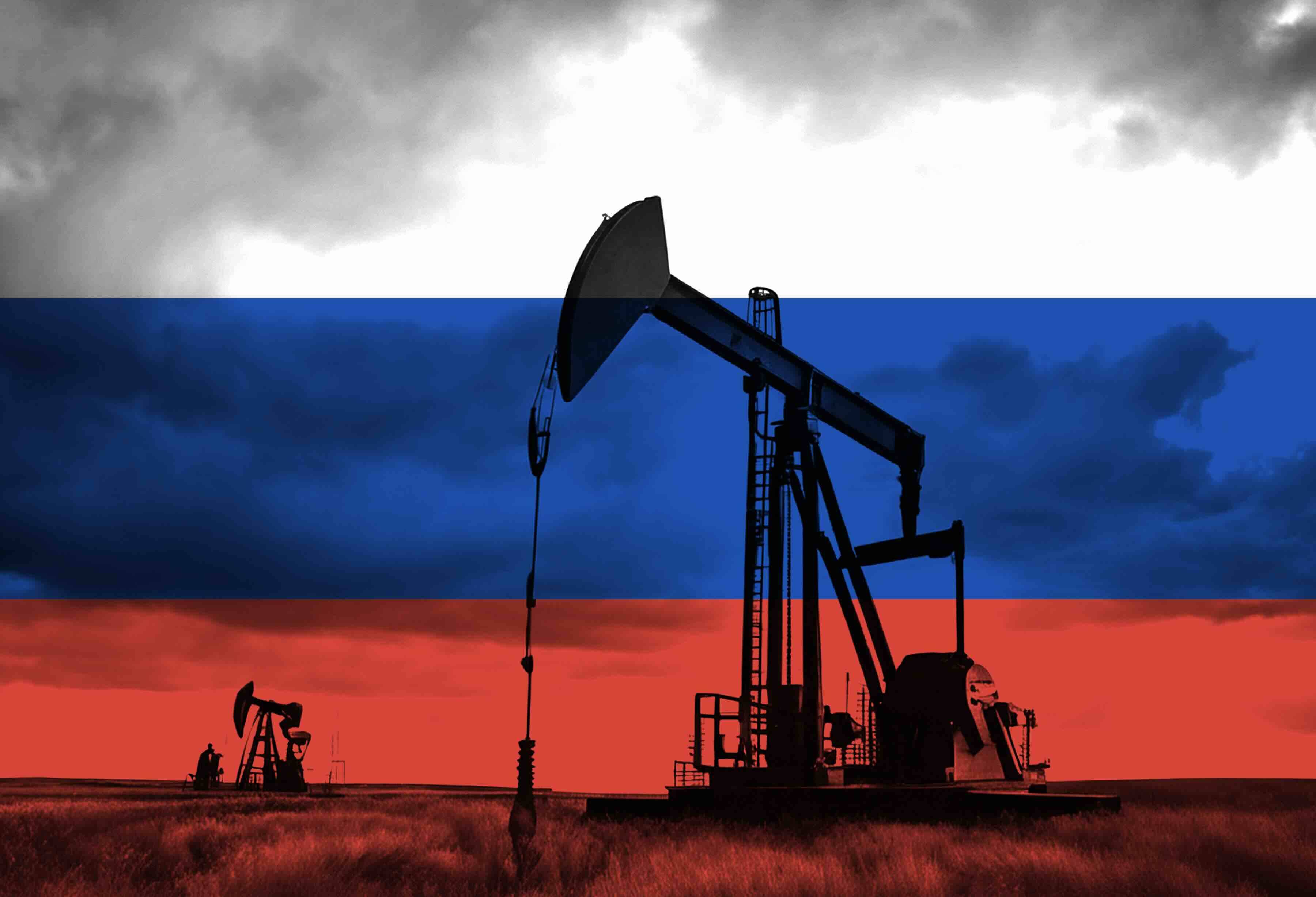
Croatia is assessing whether it can lawfully import seaborne Russian crude oil to supply to Hungary and Slovakia after the Druzhba pipeline supplying them via Ukraine was damaged, the European Commission said on Wednesday.
Supply via Druzhba to Hungary and Slovakia, the only EU countries still importing Russian oil, was halted on January 27 due to damage which Kyiv blamed on a Russian drone strike.
"Croatia has communicated that it is assessing the situation, whether it can lawfully accept Russian crude at its port, both under the EU and U.S. sanctions," a European Commission spokesperson said.
The Croatian government did not immediately respond to a request for comment. Croatia has so far said its Adria pipeline can import more oil, but suggested there is no need for this supply to be Russian.
Adria serves as an alternative route to supply Hungary and Slovakia. Its operator, Janaf, said on Wednesday a cargo of non-Russian crude was being unloaded for Hungarian refiner MOL Group, while seven more were due to arrive by April.
"Non-Russian oil is currently flowing normally through our system toward Hungary and Slovakia... it means that our friends and allies in Hungary and Slovakia have a secure and reliable route of supply," Croatian Economy Minister Ante Susnjar said in a post on X on Tuesday.
Janaf says Adria had sufficient capacity to cover the needs of oil refineries in the two countries. But this, too, has been the subject of dispute, with Janaf and MOL failing to agree last year on the results of capacity tests.
Any Russian crude ordered for delivery to Croatia could face difficulty skirting U.S. sanctions, which target Russia's top oil exporters.
EU sanctions ban imports of seaborne Russian crude, but landlocked Slovakia and Hungary hold exemptions in the event there is a disruption to their piped supply.
POLITICAL DISPUTE
Slovakia and Hungary have accused Ukraine of stalling repairs to the Druzhba pipeline for political reasons.
In retaliation, Hungary vetoed new EU sanctions on Russia this week and blocked a new EU loan for Kyiv, straining Europe's pro-Ukrainian consensus on the eve of the Ukraine war's fourth anniversary.
Hungary's Prime Minister Viktor Orban is facing the biggest challenge to his hold on power in 16 years in a parliamentary election on April 12. He has cast the election as a choice between "war or peace", saying his opponents would drag the country into the war in Ukraine.
Brussels wants to adopt a full ban on Russian oil imports by 2027, and plans to propose legislation on this in mid-April, just days after Hungary's election.
Ukraine, meanwhile, says it is trying to repair the Druzhba pipeline and offered to arrange alternative routes to transport oil to EU countries via its Odesa-Brody pipeline, in a letter Ukraine's mission to the EU sent to the European Commission, dated February 20 and seen by Reuters.
The European Commission spokesperson said the Commission understands Ukraine is ready to accelerate those repairs and that the EU is assessing the Odesa-Brody option.
"It might be, therefore, be a bit more of a midterm solution, rather than something that would immediately be a solution," the spokesperson said
(Reuters)


