

Much of Dutch Fishing Fleet Stands Idle Amid High Diesel Prices
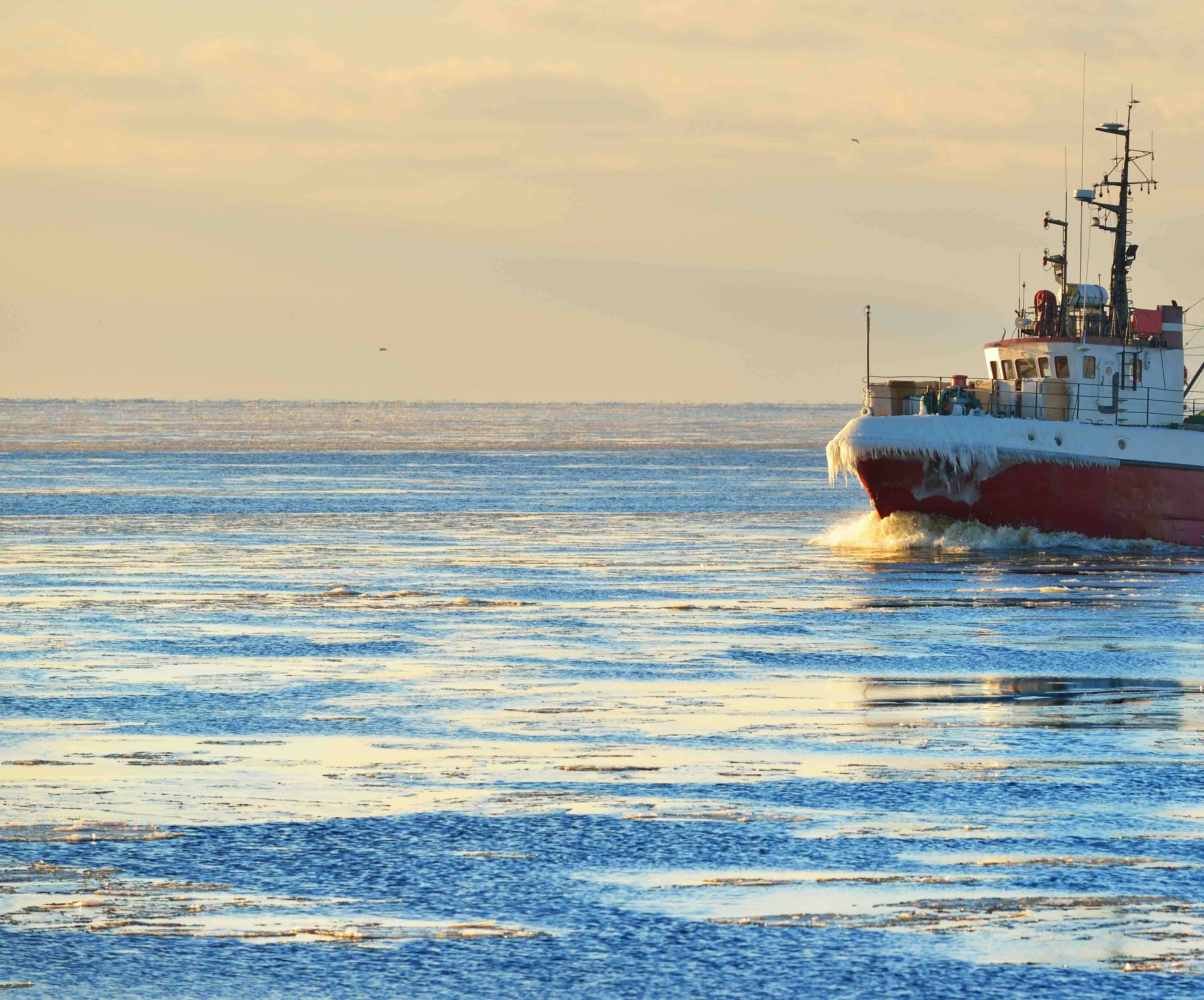
The fishing industry is emerging as an early European casualty of soaring diesel costs amid the Iran war, with at least half the Dutch fleet staying in port this week, according to industry representatives.
The pressure is most acute in the Netherlands because of an outsized number of beam trawlers in its fleet, which makes up about 7% of the European Union's total.
These ships target high-value North Sea flatfish such as sole, turbot and brill, but burn relatively large amounts of fuel. Industry group VisNed said 80% to 90% of such trawlers did not sail out this week.
Durk van Tuinen, a spokesperson for the Dutch Fishers Union, said weekly fuel bills that ran 12,000 to 13,000 euros ($13,800-$15,000) before the war started on February 28 are now heading toward 30,000 euros, roughly equal to the total value of fish a vessel might bring at this time of the year, leaving no money to pay a crew.
“Now the fuel bill is equal to the revenue, so it simply does not work,” he said.
The Dutch may be hardest-hit, but they are not alone, said Daniel Voces, managing director of Europêche, the representative body for EU fishermen.
Belgium and Britain also use beam trawlers, and fleets targeting groundfish such as cod and haddock around Europe are near or at loss-making levels with current prices.
Voces said top fishing nations Spain, Italy and France had all introduced modest support measures, but with fuel costs up by around 70%, some ships have been unwilling to put to sea.
He said the industry met with the EU fisheries chief, Costas Kadis, this week to ask the European Commission to again relax state aid rules for the industry - as it did during the energy crisis that followed Russia's invasion of Ukraine in 2022.
According to Van Tuinen, the immediate impact on consumers will be tighter supply and higher prices. He noted the price of sole had already jumped to 18 euros at auction this week from roughly 12 euros.
Faced with those costs, he said, restaurants might serve smaller portions to maintain their margins, but many others will simply stop buying.
"Fish will disappear from the menu," he predicted.
(Reuters)


