

Europe Under Pressure as Gas Prices Climb Over 50% on Israel-US and Iran War
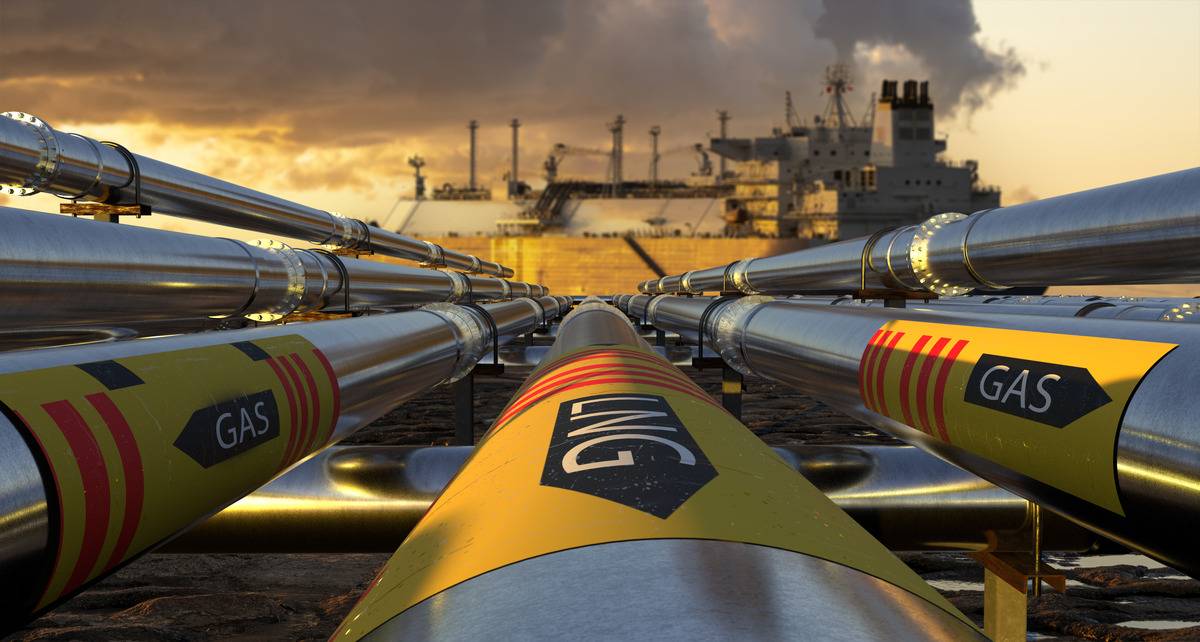
European financial markets are under strain as the U.S.-Israeli war on Iran revives concerns about an energy supply shock exacerbating inflation.
ING says the euro zone is the most exposed major economy to the conflict, making the region, which has benefited from investor diversification out of U.S. assets, vulnerable to setbacks.
Not Good, But 2022 Was Worse
The jump in oil and gas prices evokes memories of Russia's invasion of Ukraine in 2022, which triggered a global energy crunch and hit Europe particularly hard.
Since Friday, Brent crude LCOc1 is up nearly 10%, while European natural gas prices have shot up 50%. The region is almost entirely dependent on imports for oil and gas.
Major liquefied natural gas exporter QatarEnergy said on Monday it had halted production, while global oil and gas shipping rates have soared.
But, unlike 2022, European buyers don't have to wean themselves off one major energy supplier, as they did with Russia and this conflict has erupted as winter heating demand ebbs.
Furthermore, the euro is still some 4% higher than in February 2022 EUR=. So, barring a spike in the dollar, euro strength helps limit energy import bills. By contrast, other big importers like Japan, South Korea have seen their currencies weaken.
Inflation, Not Again
For interest rates, it's all about the impact of energy prices on inflation.
The immediate outlook for the European Central Bank hasn't changed. But traders now see no change in rates by year-end, compared with around a 40% chance of a cut last week.
Rate-sensitive German two-year bond yields rose 7 basis points on Monday. DE2YT=RR
The ECB expects inflation to undershoot its 2% target this year and next, so it has some leeway. It has calculated, however, that a permanent 14% jump in energy prices would lower growth by 0.1% this year and raise inflation by up to 0.5%.
Oil prices are over 20% higher than its December forecast, which it refreshes on March 19.
A sustained rise in oil to around $100 would raise inflation to just under 3% from 1.7% today, Commerzbank's Chief Economist Joerg Kraemer said, adding that would hurt euro zone growth, posing a "dilemma" for the ECB.
Euro Trashed
A prolonged war could cause a substantial spike in euro zone inflation and reduce economic growth, ECB Chief Economist Philip Lane told the Financial Times in an interview published on Tuesday.
Such fears have hit the euro, a big faller among developed market currencies. The euro declined 0.3% to $1.1656 on Tuesday, its lowest since January, and is now down 1.4% since Friday's close.
It also hit an over-10-year low on the Swiss franc that triggered threats from authorities they might intervene to weaken the franc EUR=, EURCHF=.
It could fall further if the economy gets hit by higher energy prices, and investors reverse previous bets on euro appreciation.
JPMorgan said if Brent crude reaches $100-$120, which might happen if the conflict lasts more than three weeks, the euro could weaken to $1.10-$1.13.
Sharp shifts in three-month risk reversals, a derivative product, are also telling. Investors are paying a small premium to insure against euro depreciation. A month ago, the cost of protecting against euro appreciation was its highest in nine months. EUR3MRR=
British Markets Feel a Sting
Sterling touched its lowest against the dollar since December GBP=, while gilt yields jumped on concerns that rising oil prices will feed into inflation GB2YT=RR.
The Bank of England estimates that a 10% rise in the price of Brent crude adds around 0.2 to 0.3 percentage points to UK inflation.
While trending down, Britain still has the highest inflation in the Group of Seven industrialised economies and it's no surprise that traders have trimmed March BoE rate cut bets 0#GBPIPRPR.
"Although you could say that (the change in rate cut bets) is sterling supportive in the short term, the reality is higher energy prices in the UK at a time when taxes have gone up would have a very negative business impact, growth impact, and political impact," said Rabobank head of FX strategy Jane Foley.
Banks Under Pressure
European banks have been hit hard this week, extending losses made on Friday due to concerns about private credit.
European banks .SX7P shed almost 5% over Monday and Friday, their biggest two-day drop since last April's tariff turmoil.
"It's very classic risk-off. Just broad selling of equities across the board," said Marlborough portfolio manager Rory Dowie.
While European banks do have counterparty exposure in the Middle East, the European Banking Authority's 2024 risk assessment noted this made up only a fraction of the EU/EEA banking sector's total.
Make Europe Great Again Trades
Some noted a silver lining to the selloff, should U.S. policy strengthen Europe's push to invest in defense and infrastructure. That would boost long-term growth.
"The European story is underappreciated and growth will surprise on the upside this year," said Lloyds FX strategist Nick Kennedy.
"The strikes on Iran are also a reminder of the tricky nature of dealing with Trump and galvanise that approach to invest more in defense and become more independent."
(Reuters - Reporting by Alun John, Yoruk Bahceli, Samuel Indyk, Dhara Ranasinghe and Amanda Cooper; Editing by Sharon Singleton and Edwina Gibbs)


