

Fire Island Ferries: Built for the Fourth Generation & Beyond


 Tim Mooney is the third-generation family member at the helm of the iconic Fire Island Ferries. Image courtesy Fire Island Ferries
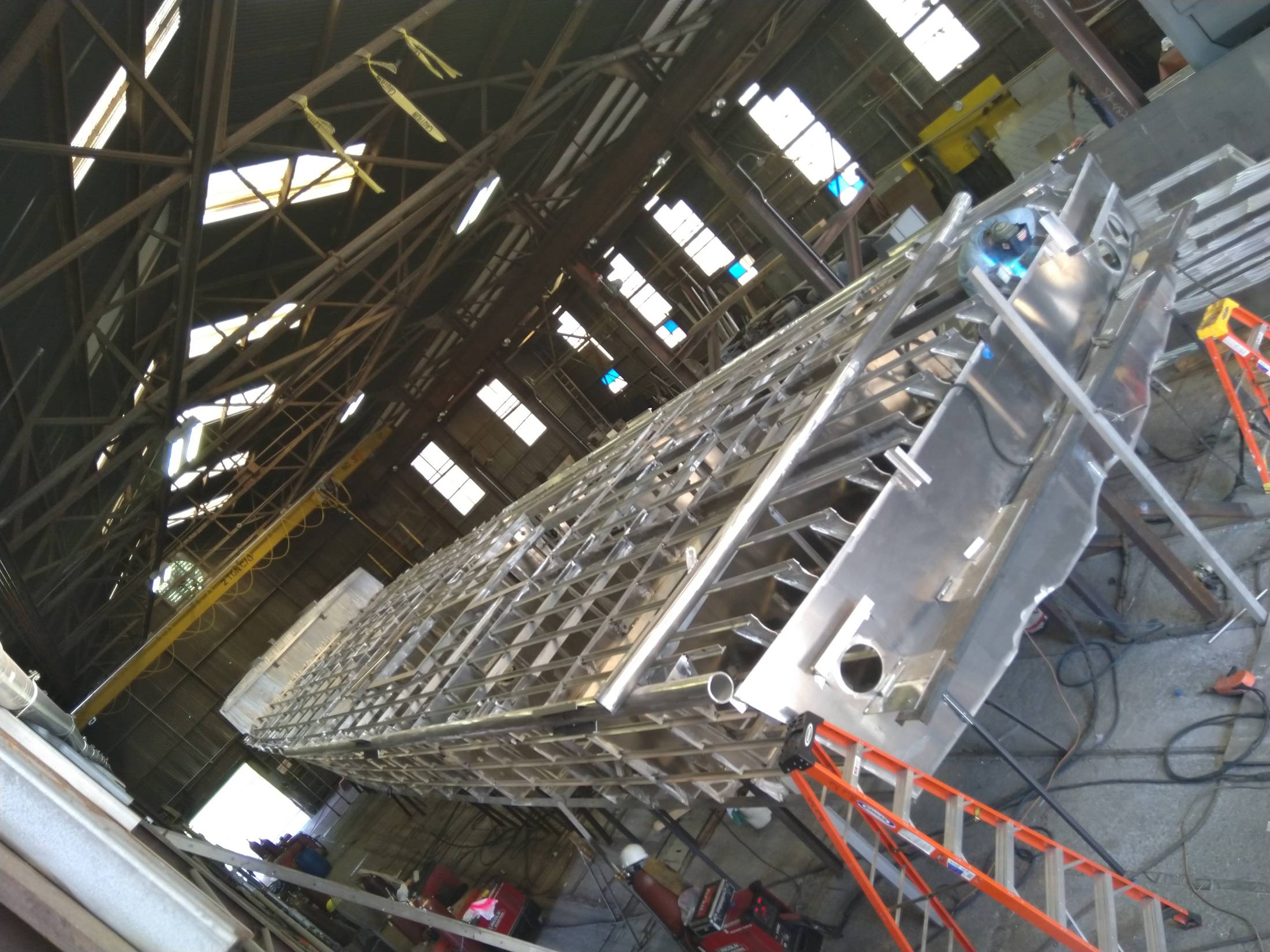
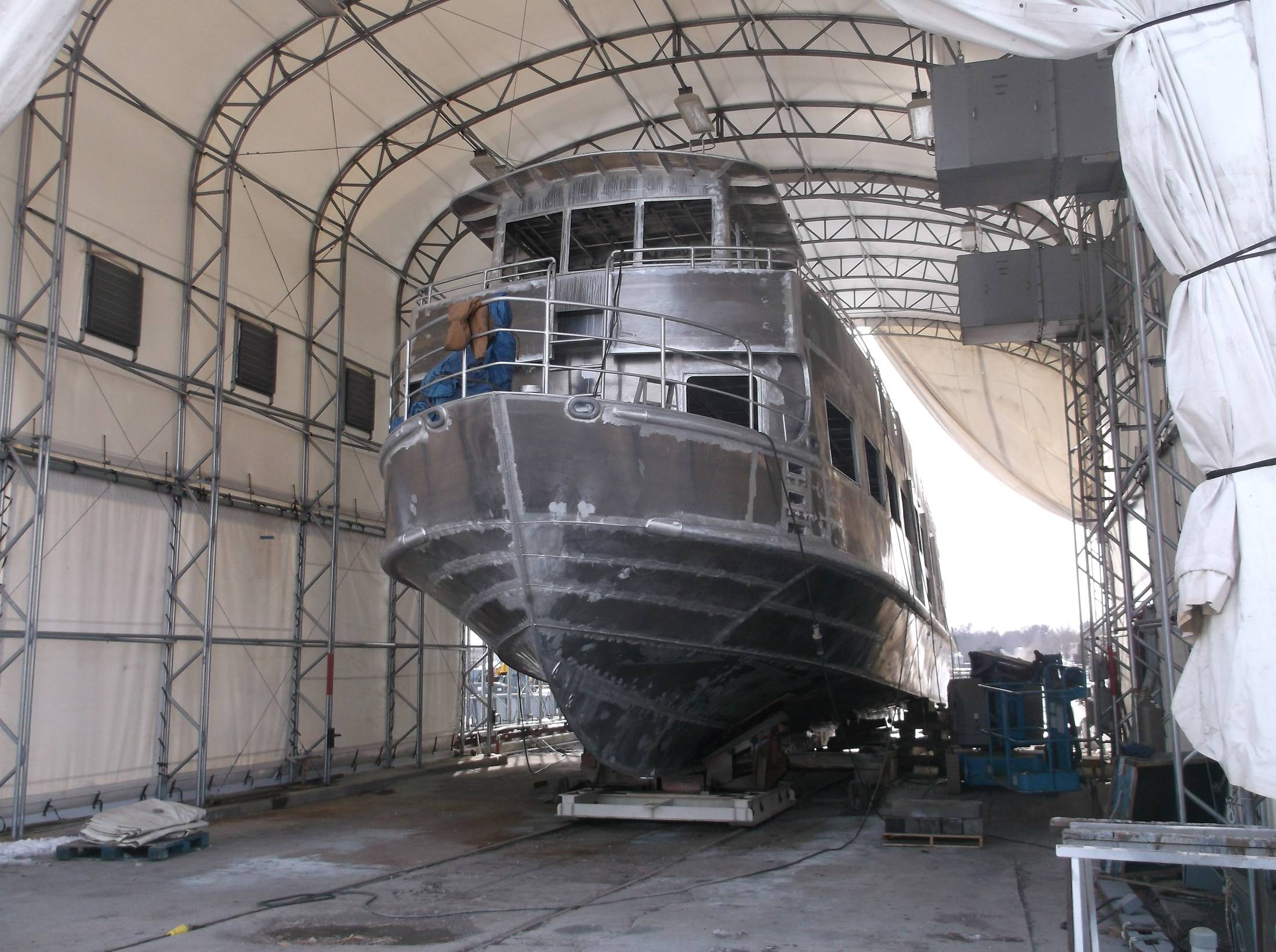
 Isle of Fire during construction at Blount Boats in Warren, RI.
Image courtesy Blount Boats
Isle of Fire during construction at Blount Boats in Warren, RI.
Image courtesy Blount Boats
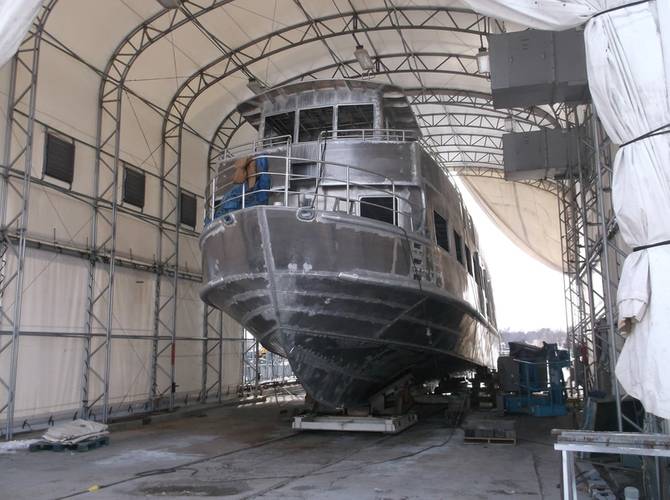 Isle of Fire during construction at Blount Boats in Warren, RI.
Image courtesy Blount Boats
Isle of Fire during construction at Blount Boats in Warren, RI.
Image courtesy Blount Boats
 Copyright Marine News | www.MarineLink.com
 Copyright Marine News | www.MarineLink.com
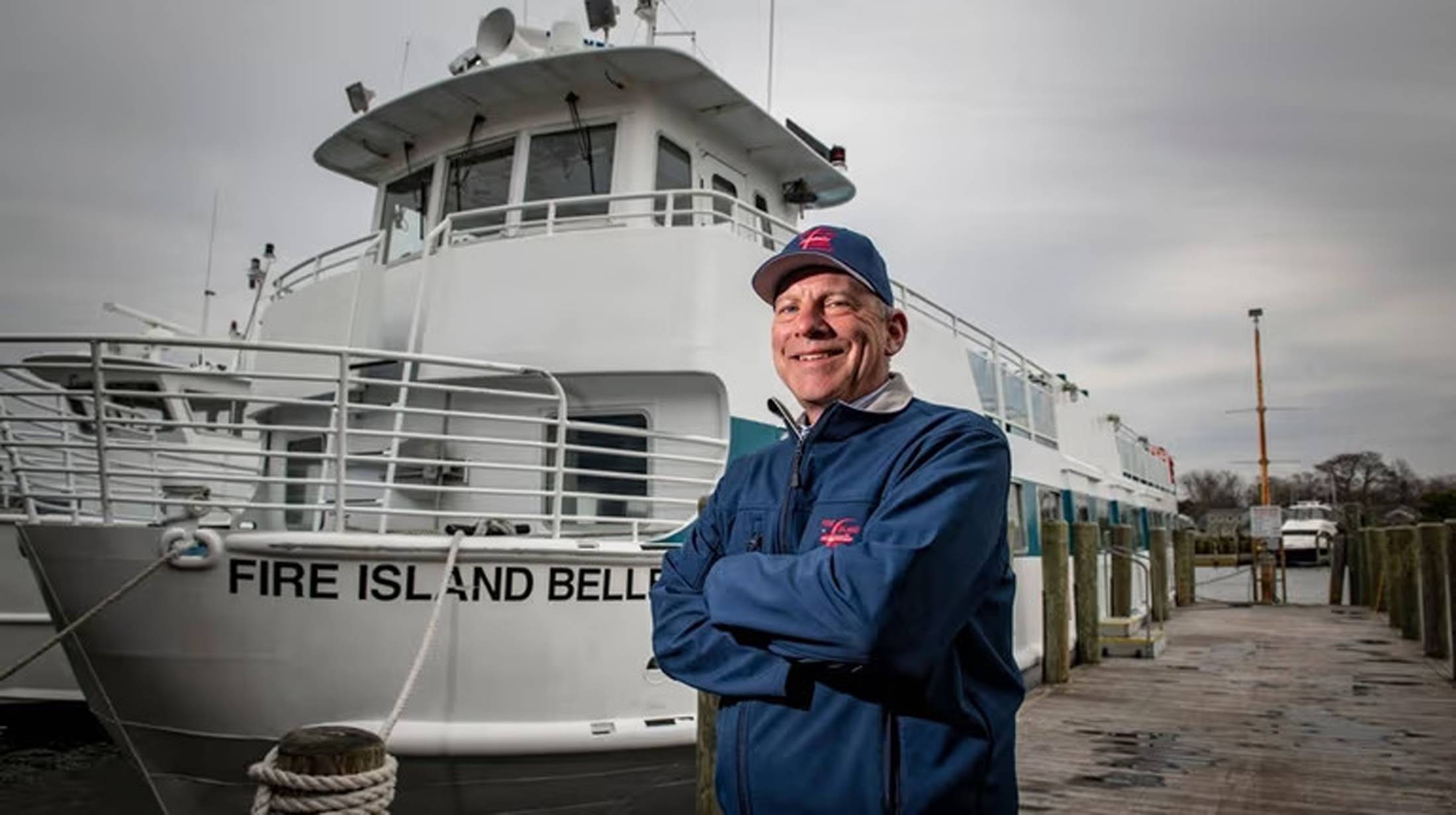
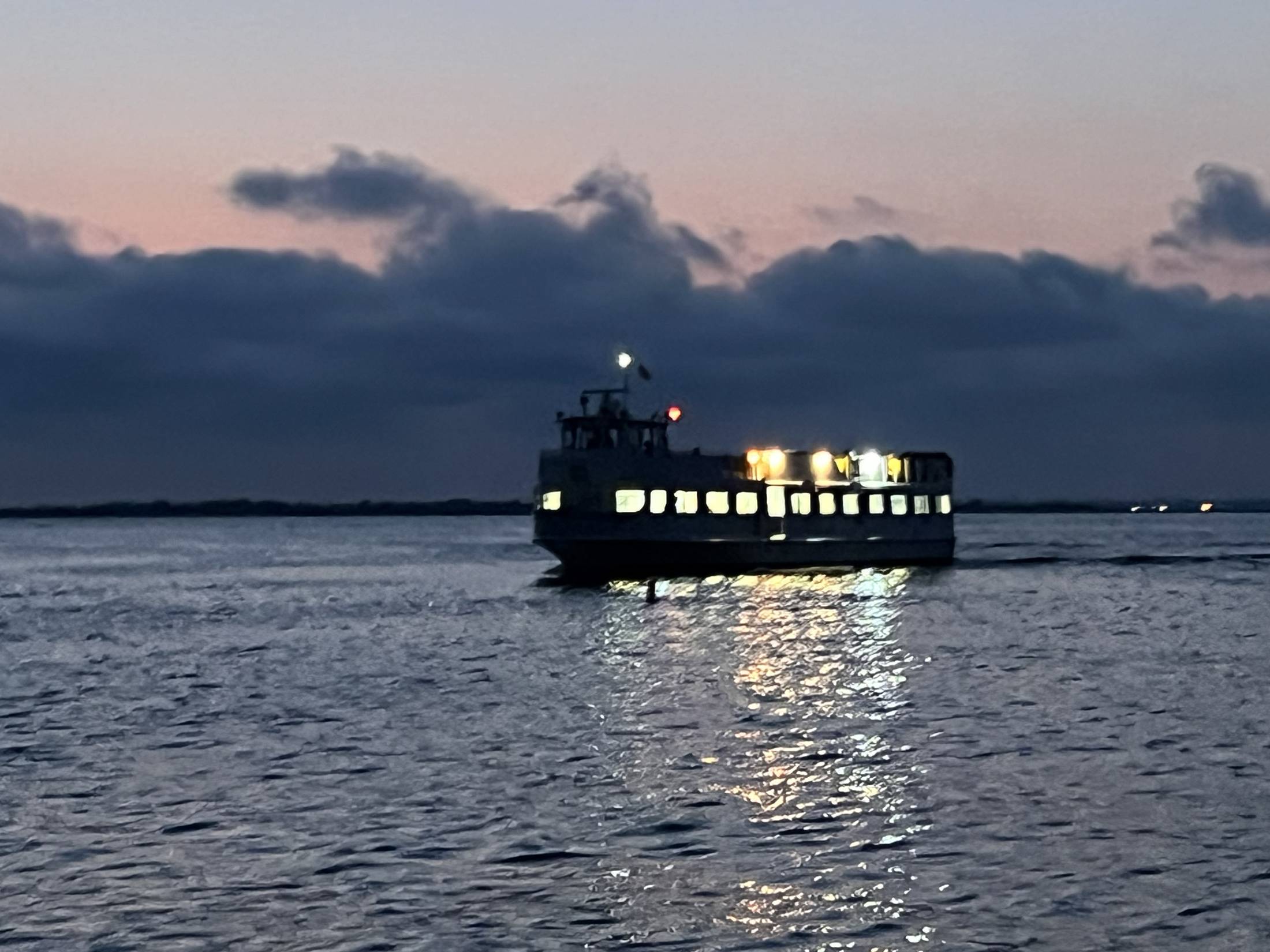
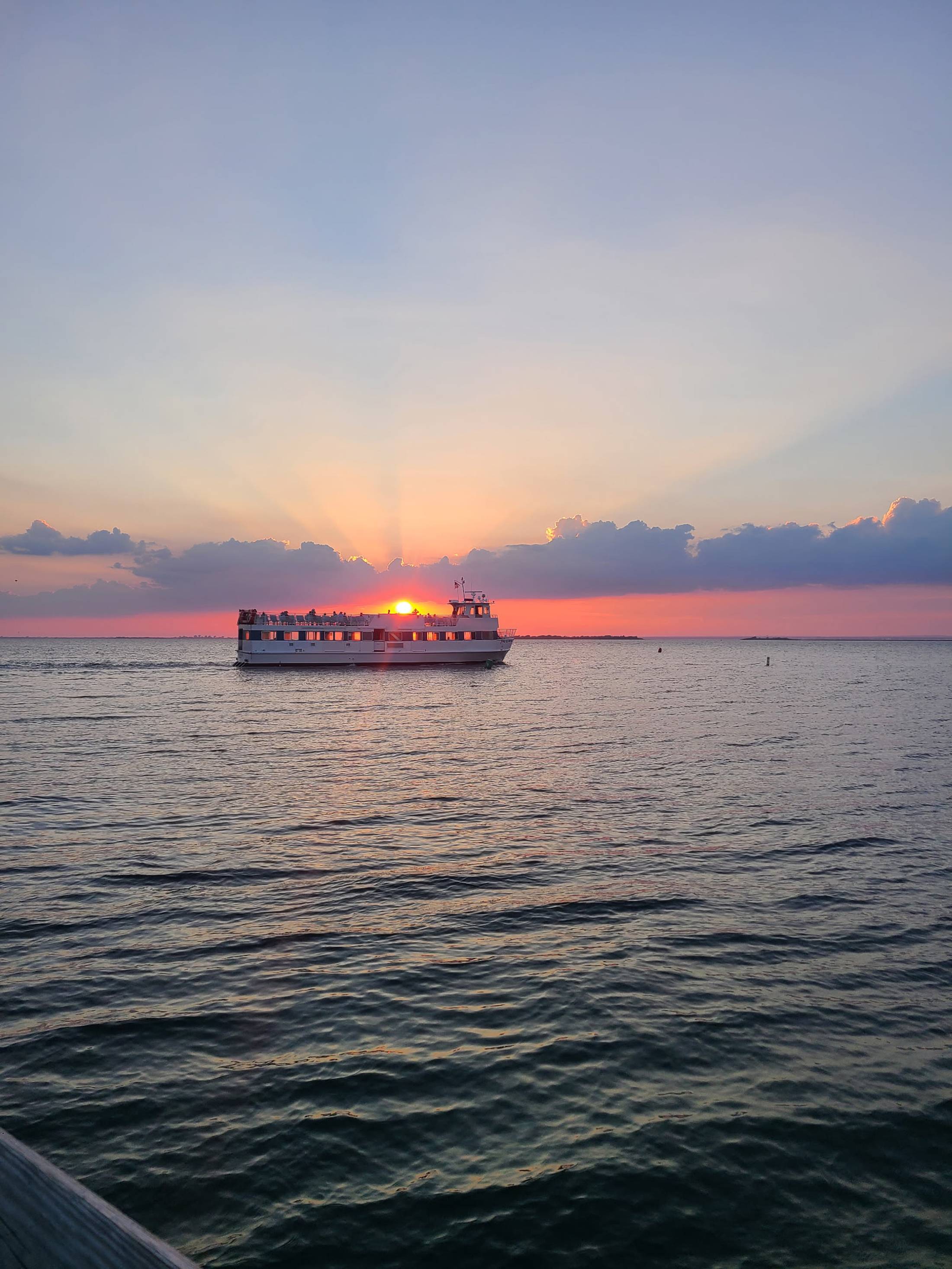
Tim Mooney is the third-generation family member at the helm of the iconic Fire Island Ferries. While the company’s primary focus has been moving people to and fro, from the Long Island, NY mainland to the Fire Island barrier communities and beaches, the business has evolved and grown since its start in 1948 via acquisition and organic growth. Mooney discuss the assets, the people and the priorities to safely, efficiently keep his cumulative operation of moving about one million people annually in good order.
There are ferry operators, and then there are ferry operators whose names are inseparable from the place they serve. Fire Island Ferries falls squarely into the latter category. Since 1948, the company has been a significant marine artery connecting Long Island’s South Shore to the car-free communities of Fire Island’s western end, moving residents, summer visitors, tradespeople, freight and just about everything else that keeps island life running.
Today, that legacy is carried forward by Tim Mooney, third-generation owner and operator, who joined the business full-time in 2004. Under Mooney’s leadership, Fire Island Ferries has quietly evolved into a diversified marine transportation and services company, while staying fiercely focused on reliability, safety and a fleet strategy built around building quality boats from the start, maintaining and repowering them as needed to keep a steady stream of passengers – nearly 1 million per year by Mooney’s count – flowing steadily between Long Island and Fire Island.
All in the Family
Mooney’s path into the family business wasn’t straight, clear or pre-ordained. He didn’t grow up dreaming of running a ferry company, but a confluence of interest and circumstance led to his leadership of the family business.
Mooney grew up sailing, as a teen immersed in racing and instructing at Bay Shore Yacht Club, working summers as a sailing instructor. When his father suggested it was time to come work for the family ferry business — weekends included — Mooney chose a different route, opting instead to work for a sailmaking company through high school before heading off to college in New England.
That changed in 2004, when his father began thinking about stepping back. “He said he wanted to go to Florida more and play some golf,” Mooney recalls with a laugh, “and he asked if I was interested in coming in.” The timing was right, so Mooney joined the business and never looked back.
Two decades later, the company is now seeing its own generational transition, with two of Mooney’s four children already involved in the business. “I’m pretty happy,” he says. “I’ve got both an exit strategy and continuity.”
 Copyright Marine News | www.MarineLink.com
By the Numbers: A Seasonal Powerhouse
Fire Island Ferries’ footprint is larger and more complex than most may realize. The company serves eight Fire Island communities on the western end of the island, operating year-round ferry service, a full-length water taxi operation that runs from end to end of Fire Island and out to Captree, and a growing marine services division supporting dock construction, tug-and-barge work and waterfront infrastructure projects.
All told, the company operates roughly “40 floating assets,” including ferries, water taxis, tugs and barges. During peak summer months, staffing swells to approximately 350 employees across operations; from captains and deckhands to ticketing staff, parking attendants and valets at Bay Shore terminals. While Fire Island Ferries’ passenger traffic have returned to pre-COVID levels and remained remarkably consistent over time, the business model, however, is anything but predictable. “Good weather, good business. Bad weather, bad business,” Mooney says. “Simple formula, hard to execute.”
“If it ain’t broke, don’t break it”
Rather than continually chasing newbuilds, Fire Island Ferries’ current capital strategy centers on repowering its existing fleet, many of which have already proven their durability for decades.
The company’s workhorse passenger vessels are typically 85 feet long, 22 feet wide, drawing just 3.5 to 4 feet, the latter a critical parameter in working on the thin waters of the Great South Bay. The ferries are triple-screw vessels, a deliberate design choice that prioritizes redundancy and maneuverability. Fully laden, they burn approximately 38 gallons per hour, remarkably efficient given the operating profile.
At the heart of the current investment cycle is the replacement of legacy Detroit Diesel engines with newer John Deere Tier 3 engines. The drivers behind the decision were both practical and philosophical.
“They’re American-made: that mattered to me,” Mooney says. Equally important, the engines were near plug-and-play replacements for Detroit 1271s and Series 60s, allowing Fire Island Ferries to retain existing transmissions and controls while achieving cleaner emissions, improved fuel efficiency and long-term serviceability.
The result: extended vessel life without sacrificing reliability. “These boats are in great shape,” Mooney says. “We can repower them and get another 10, 20 years out of them.”
That philosophy reflects the pedigree of the builders behind the fleet. Over the decades, Fire Island Ferries has worked with Blount Boats, Gladding-Hearn, Derecktor, Gulf Craft, Lyman-Morse, Munson and Miller Marine, yards known for producing rugged, purpose-built vessels.
Everybody has built a great boat for us. And I actually joked with the Blount people, saying, "Part of your problem is you build boats that are too good, so they're around for 30 or 40 years, and we can repower them and get another 10, 20 years out of them," which is a compliment to them. But these vessels, as a matter of fact, the Fire Island Miss, which is one of the steel hulls, was built in 1976, and she's still running strong. One of our freight boats was built in 1974, so they've been around a long time, and they've been pulling their weight. My philosophy: if it ain't broke, don't break it.”
Navigating Thin Water, Day and Night
Operating in the Great South Bay is challenging with narrow channels, shallow waters and traffic density that can be intense during peak season. The tradeoff, Mooney notes, is that while groundings happen, rocks don’t. “I’ll take thin water with no rocks over deep water with rocks any day,” noting that if a captain strays from the route and touches bottom, they may “bend a wheel or a rudder, but they won’t put a hole in the boat!”
Technology has transformed the operation over time. Mooney remembers navigating before radar, timing runs with stopwatches and compass bearings. The introduction of radar was a step change; GPS was revolutionary.
Today, every vessel is equipped with GPS systems and private tracking so that the Fire Island Ferry team has a continuous live view on the fleet and its whereabouts, allowing the company to monitor speed, enforce geofencing, and enhance situational awareness across the fleet. Night and fog operations remain demanding, and Fire Island Ferries’ captain apprenticeship program reflects that reality, typically lasting a year or more even after licensing.
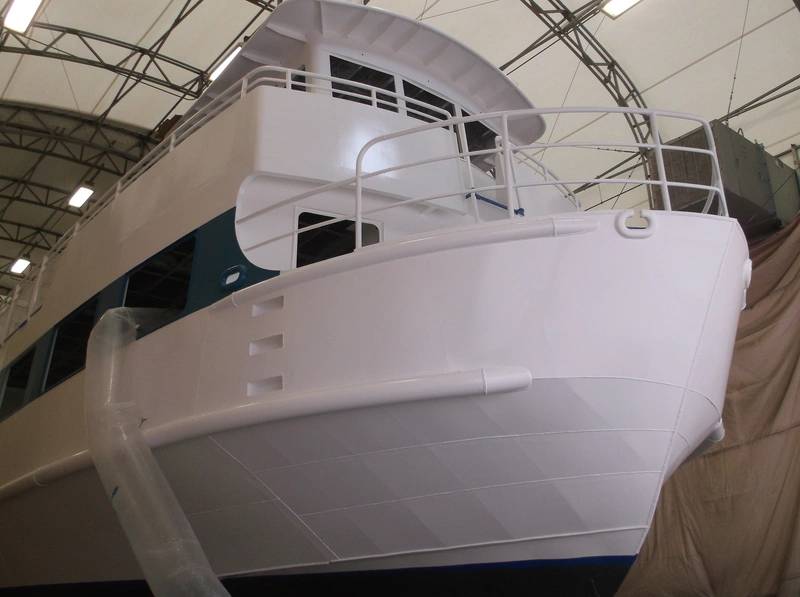 Isle of Fire during construction at Blount Boats in Warren, RI.
Image courtesy Blount Boats
Developing a Loyal Workforce
Unlike many maritime operators, Fire Island Ferries does not struggle to attract labor. Seasonal demand, local roots, and one critical advantage — everyone goes home every night — make the company a magnet for young workers.
Roughly two-thirds of the summer workforce is under 24. Many captains began working for the company in high school, earned licenses during college, and return seasonally before moving on. Applications are voluminous and fill many binders, Mooney says, with the company often finding ample minds and bodies to ensure smooth operations through family and peer networks: “we’ve found that good kids usually have good friends.”
Beyond staffing, Mooney sees the operation as a training ground for life skills. “You watch kids come in at 16, staring at their feet,” he says. “Within weeks, they’re communicating, dealing with adults, solving problems. That matters.”
Regulation, Reality and Scale
Fire Island Ferries has long been active within the Passenger Vessel Association, working alongside regulators to ensure rules reflect operational reality. Mooney acknowledges the necessity of safety-driven regulation, from fire prevention to lifesaving systems, while cautioning against one-size-fits-all mandates.
One case of overreach was when the USCG Vessel General Permit environmental regulations entered force. “Some of these things are impractical based on scale,” said Mooney, noting that “things that work on big ships, tugs and ocean going vessels and that have organizations with big staffs don't necessarily translate down into our operation, or even smaller operations.”
On balance though, he credits the Coast Guard with understanding maritime operations, and balancing rules and regulations that make sense from a safety as well as business reality perspective.
“They're not shooting from the hip,” said Mooney. “(Many of them) have been out in the field for a long time; they know what we're up against, so they represent us very well. They're just a function of what the legislation says they have to do, and they try to give us an opportunity to mitigate some of those challenges.”
Past regulatory responses — such as those following the dive boat Conception tragedy — have had real impacts, but he credits the Coast Guard with understanding the fleet it regulates. “Safety is number one,” he says. “And most of the time, the Coast Guard tempers requirements with reality.”
The big regulatory challenge today says Mooney are complying with the new Coast Guard cybersecurity rules. He notes the limited digital exposure of his passenger vessels helps to effectively insulate the vessels themselves. “If you can figure out how to hack into a 1271, I'll be pretty impressed,” he said.
Beyond regulation, the biggest challenges facing Fire Island Ferries are largely outside its control. Rapid increases in minimum wage have cascaded through payroll structures. Healthcare costs continue to rise—costs the company absorbs fully for employees. Waterfront property insurance has become increasingly difficult to secure. Weather remains the ultimate variable.
Fuel, at least, is predictable. Mooney hedges early, locking in pricing for the summer season. And when the weather cooperates, the system performs. On July 4 last year, Fire Island Ferries moved 26,000 passengers in a single day, the biggest passenger haul day in company history.
Steady Ahead
There are no flashy announcements planned for 2026, Mooney concedes: No new ferries. No radical reinvention.
Instead, Fire Island Ferries will continue repowering vessels, expanding its marine services arm, refining digital marketing efforts, and most importantly, doing what it has done for nearly eight decades: moving people safely, efficiently and reliably across the bay.
For Mooney, that continuity is the point. Fire Island’s proximity to New York City makes it unique—a barrier island that feels worlds away. “You’re an hour from JFK,” he says, “and suddenly everything changes.”
So does the pace of the business. The boats may get new engines. The technology may evolve. But the mission remains the same — steady, proven, and built to last to the fourth generation and beyond.


