

First Venezuela Oil Cargoes Chartered Since US Supply Deal
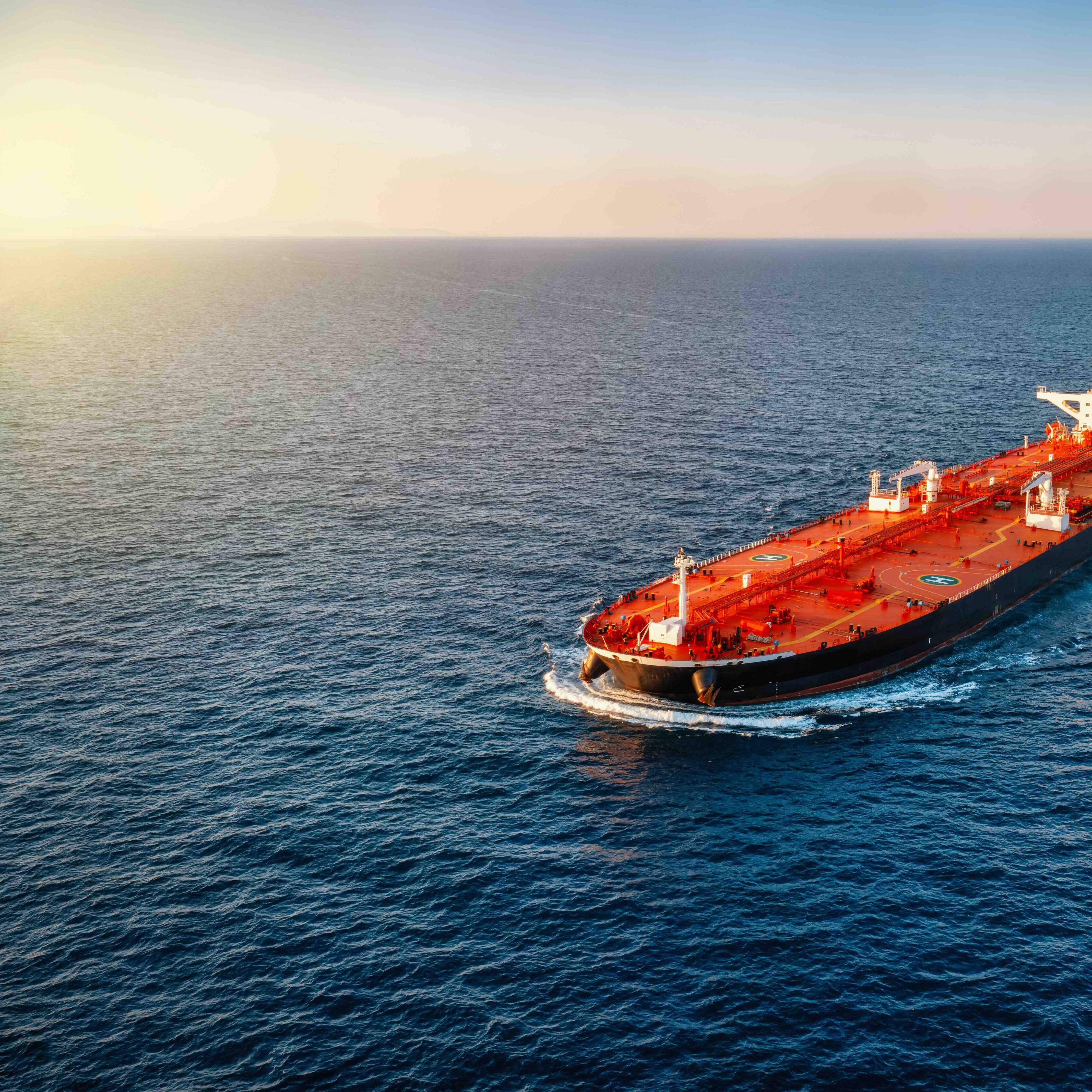
Trading houses and buyers of Venezuelan oil have chartered the first very large crude carriers (VLCCs) to export from the South American country since a Caracas-Washington supply deal began, which is set to speed up shipments starting in March while boosting deliveries to India, according to four sources and data.
Trading firms Vitol and Trafigura have been exporting Venezuelan crude and fuel since January as part of a $2 billion deal between the U.S. and Venezuela after the capture of President Nicolas Maduro by U.S. forces.
Most of the exports have moved in smaller Panamax and Aframax tankers to U.S. refineries, and in Suezmaxes to terminals in Curacao, St. Lucia, St. Eustatius and the Bahamas in the Caribbean, where traders have been storing oil and shipping it to U.S. and European ports, according to vessel movement data.
VLCCs, which carry up to 2 million barrels each, can accelerate the pace of deliveries at Venezuela's main oil terminal, Jose. The terminal is operated by state energy firm PDVSA and handles up to 70% of total crude exports.
BIGGER SHIPMENTS COULD LOWER COSTS
The larger cargoes could cut transportation costs for traders and buyers, who have complained that prices around $15 per barrel below Brent for Venezuela's Merey heavy crude agreed last month for initial purchases have become too expensive amid the market's backwardation, in which shipments for later delivery are cheaper than near-term supplies.
At least three VLCCs chartered by Vitol and Trafigura, the Nissos Kea, Nissos Kythnos and Arzanah, have been assigned March loading windows at Jose, according to shipping data and sources familiar with the matter. They are all bound for India, the sources said.
Another supertanker, Olympic Lion, was signaling Venezuela as its destination this week with the expected arrival in late March, according to LSEG ship tracking. The charterer was not immediately known.
The trading houses have recently sold Venezuelan heavy crude cargoes to Indian refiners, including Indian Oil Corp, Bharat Petroleum Corp and HPCL Mittal Energy (HMEL) as the Asian country tries to reduce Russian oil imports, a move that helped New Delhi clinch a trade deal with Washington.
Reliance Industries bought a 2-million-barrel cargo from Vitol for March loading and is seeking direct purchases from PDVSA, separate sources said.
India was the third-largest buyer of Venezuelan crude before Washington imposed sanctions in 2019. The country's oil exports bounced to some 800,000 barrels per day in January as a U.S. oil blockade ended, but the rapid increase from some 500,000 bpd in December has left millions of barrels originally intended for U.S. and European buyers unsold in storage.
PDVSA sent three crude cargoes to Caribbean storage in January on board VLCCs it controls as part of its deals with the traders. No VLCCs loaded in Venezuela for export in February, the data showed.
PDVSA and Vitol did not reply to requests for comment. Trafigura declined to comment.
MORE CARGOES TO THE U.S.
U.S. major Chevron and U.S. refiners including Valero Energy, Phillips 66 and Citgo Petroleum are preparing to boost Venezuelan oil processing at their refineries, which is also expected to raise exports.
Chevron and some U.S. refiners have hired dozens of Aframaxes and Panamaxes, mostly under time-charter contracts for Venezuela, two of the sources said, which means they will exclusively transport Venezuelan oil in the contract period.
Vitol and Chevron have also hired similar-sized vessels to supply naphtha to PDVSA, the shipping data showed.
Chevron declined to comment on commercial matters and said it continues to supply its customers.
Valero, Phillips 66 and Citgo did not immediately respond to requests for comment.
The trading houses' move to larger tankers should ease the search for medium-sized vessels to depart from the Caribbean, which many companies have struggled with, two sources said.
Chevron Vice Chairman Mark Nelson said last month the company was focused on increasing crude output and exports from Venezuela.
Trafigura, Vitol and Chevron have been exporting the OPEC country's oil under individual U.S. licenses, but in late January, the U.S. Treasury Department issued a general license broadly allowing oil exports.
The new authorization is expected to progressively expand the pool of buyers and the cargoes' destinations, with sales to reach $6 billion in the coming months, from $1 billion sold between mid-January and mid-February, according to figures from the U.S. Department of Energy.
(Reuters)


