

Iranian Swarms of Fast Boats Used to Seize Container Ships Add to Shipping Threats
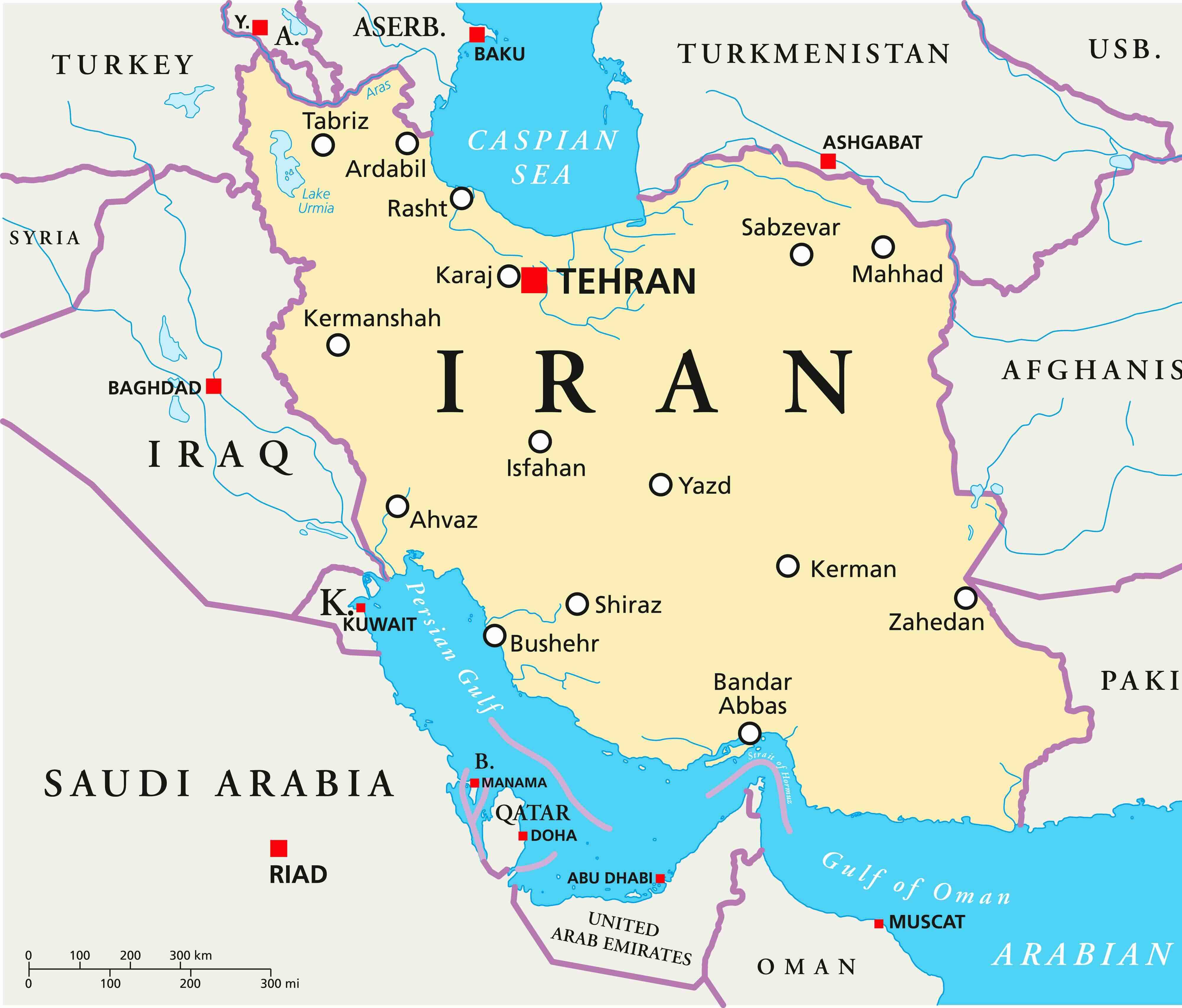
Iran's use of a swarm of small, fast boats to seize two container ships near the Strait of Hormuz could undermine suggestions U.S. forces have disabled its naval threat and reveals the challenges facing reopening one of the world's most important oil export routes.
U.S. President Donald Trump on Monday acknowledged that while Iran’s conventional navy had been largely destroyed, its "fast-attack ships" had not been considered much of a threat.
He said any such vessels coming near a U.S. blockade set up outside the strait would be "immediately ELIMINATED" using the "same system of kill" deployed in the Caribbean and Pacific where U.S. air strikes have hit suspected drug boats and killed at least 110 people.
Those boats were not attacking large, unarmed commercial ships, however, nor nearly as heavily armed, with Iran's Revolutionary Guards packing heavy machineguns, rocket launchers and, in some cases, anti-ship missiles.
Speedboat attacks now form part of a "layered system of threats," alongside "shore-based missiles, drones, mines and electronic interference to create uncertainty and slow decision-making," Greek maritime security company Diaplous told Reuters.
Iran was estimated to have hundreds, if not thousands, of these boats before the war, often hidden in coastal tunnels, naval bases or among civilian vessels, according to maritime security specialists.
Some 100 or more may have been destroyed since the Iran war began of February 28, said Corey Ranslem, chief executive of maritime security group Dryad Global.
SEAFARERS TAKEN ASHORE
Two container ships seized by Iran near the Strait of Hormuz with about 40 crew aboard have been taken toward the port of Bandar Abbas, sources said on Thursday, Tehran having vowed to retaliate after U.S. forces seized an Iranian vessel three days earlier.
Iran’s Islamic Revolutionary Guard Corps seized the ships on Wednesday, one operated by MSC, the world's biggest container shipping group, and according to three sources, the other chartered by the firm.
"Some 20 Iranians armed to the teeth stormed the ship. Sailors are under Iranians' control, their movements on the ship are limited, but the Iranians are treating them well," a relative of one of the seafarers involved told Reuters.
"The ship is anchored nine nautical miles from the Iranian coast. Negotiations between MSC and Iran are ongoing, our sailors are fine," Montenegro's minister of maritime affairs, Filip Radulovic, told state broadcaster RTCG.
Four sailors on the MSC Francesca including its captain are from Montenegro, he said. Two Croatians are also aboard, Croatia's foreign ministry confirmed.
Full details on the crew of the Panama-flagged ship have not been made available, but large container vessels normally require a minimum of about 20. MSC has declined to comment.
The Liberia-flagged Epaminondas has a crew of 21 members made up of Ukrainians and Filipinos, according to the Greek coast guard. It had been bound for India.
Both crews were reported safe, but authorities in their home countries said they were seeking information about the well-being of the seafarers and working on their release.
There has been no information released about what, if any, cargo the ships were carrying.
Both ships had their tracking transponder systems switched off but maritime security sources said shipping data suggested they were near Bandar Abbas.
CHANGE IN TACTICS
Before this week, Iran had relied on missile and drone strikes to hit shipping traffic around the strait, a route which normally handles 20% of the world's daily oil and liquefied natural gas supply.
Those attacks had stopped with the April 8 ceasefire.
The seizure of the two container ships by Iran followed Washington imposing a blockade on Iran's trade by sea and the start of it intercepting Iran-linked oil tankers and other ships.
"The civilian shipping industry is not equipped to prevent Iranian armed forces from seizing vessels," said Daniel Mueller, a senior analyst at British maritime security company Ambrey.
Typically, about a dozen boats are used in a seizure operation, he added.
Iran's fast boats now serve as the "backbone" of Iran’s naval strategy, able to deploy rapidly as part of its "asymmetrical war against the enemy," a senior Iranian security official told Reuters.
"Because of their very high speeds, these boats can successfully carry out hit-and-run attacks without being detected," the official said, speaking on condition of anonymity.
FAST BOAT LIMITATIONS
Including this week’s seizures, Iran has used small, fast boats at least seven times going back to 2019, Ambrey's Mueller said.
High winds and swells in the waters off Iran during summer make it hard to conduct such operations, said one Iranian shipping source familiar with the waters.
"When it is very bumpy, they (armed forces onboard) cannot shoot," the source said.
They are also ill-equipped to go head to head with a warship, and would likely suffer "very heavy casualties" in any direct assault on one, said Jeremy Binnie, a Middle East specialist at defence intelligence company Janes.
"Even if they tried to saturate the ship’s defences by attacking from multiple directions, they would be extremely vulnerable to the air support that would be called in," he said.
On paper, guided missile strikes would easily destroy these boats, but shoulder-fired missile launchers would pose a threat to low-flying U.S. aircraft, Binnie said.
"It is going to be much harder to eliminate the small boat threat than it was to destroy Iran’s larger naval vessels, which were big targets that were relatively easy to find and track and, at most, only had a limited ability to defend themselves from air attack," he said.
The reality for the shipping sector is further disruption as well as elevated insurance costs.
After the so-called "tanker war" of the 1980s, Iran increasingly used asymmetric tactics as the Iranian navy was effectively destroyed, much as it has been in the current conflict, said Duncan Potts, a director with consultancy Universal Defence and Security Solutions and a former British Royal Navy vice admiral.
"When the U.S. Navy and the president say, 'We've destroyed the navy, we've sunk a frigate off Sri Lanka' – you've done that before, but you've forgotten that your opposition here went asymmetric. And they've perfected it."
(Reuters)


