

Legal Action Taken Following Spiridon II Livestock Deaths
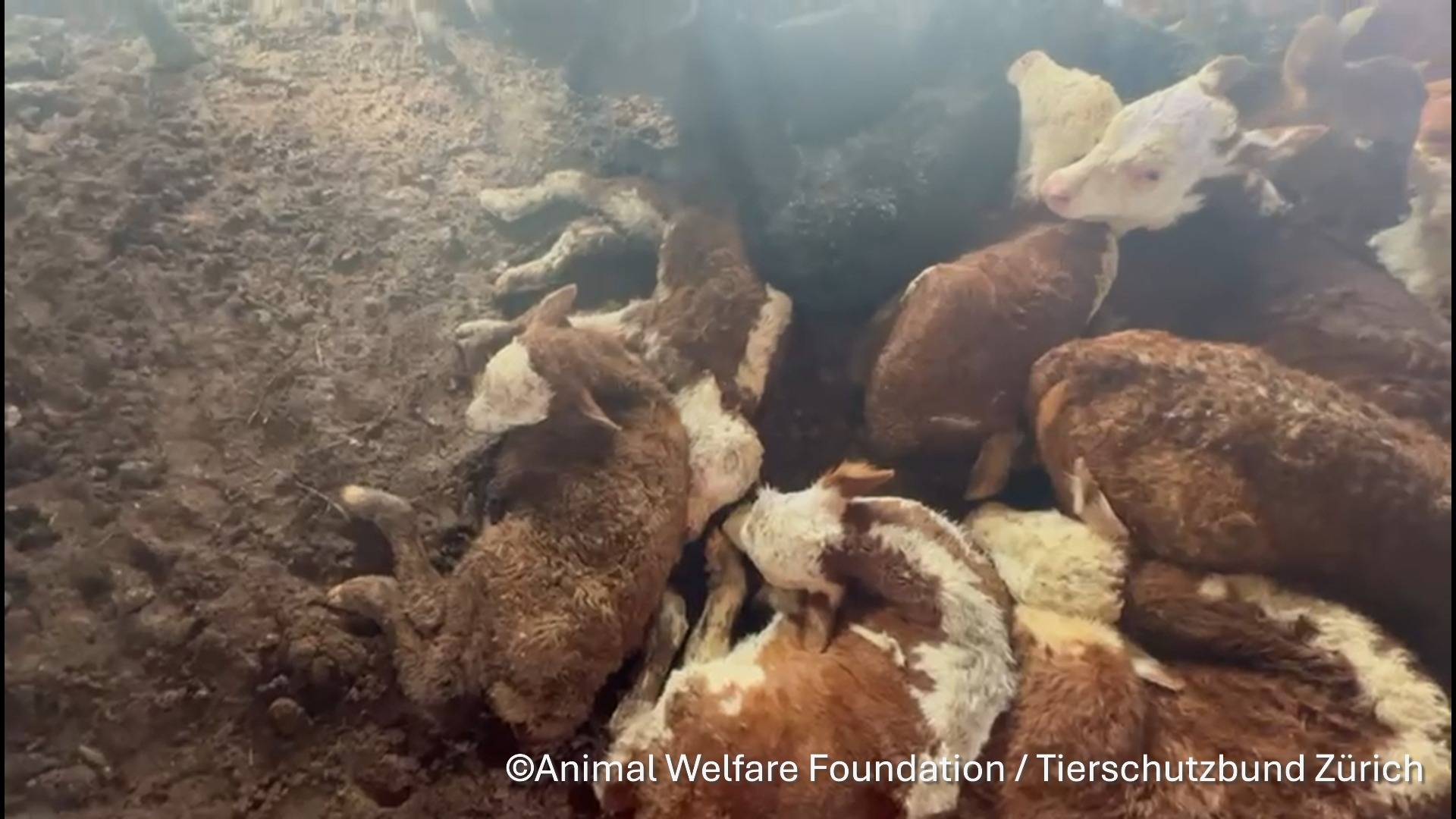
Following the deaths of hundreds on cattle on the livestock carrier Spiridon II last year, Animal Welfare Foundation reports that Turkish importers are taking legal action against the livestock dealer.
The Spiridon II was stranded off the Turkish coast for several weeks after a month-long voyage from Uruguay when the consignment of around 2,900 dairy cattle was rejected by local authorities. Court transcripts translated by Animal Welfare Foundation indicate that 58 cows died in transit to Turkey, 140 cows had miscarriages in transit, 50 newborn calves were present on board, but another 90 were unaccounted for.
Over a month after arriving in Turkey, the surviving cattle were unloaded in Libya. Over 340 animals are estimated to have died by then.
The importers have taken legal action against a livestock dealer from Austria claiming the dealer’s actions were responsible for the deaths of many animals, great suffering, and economic damage.
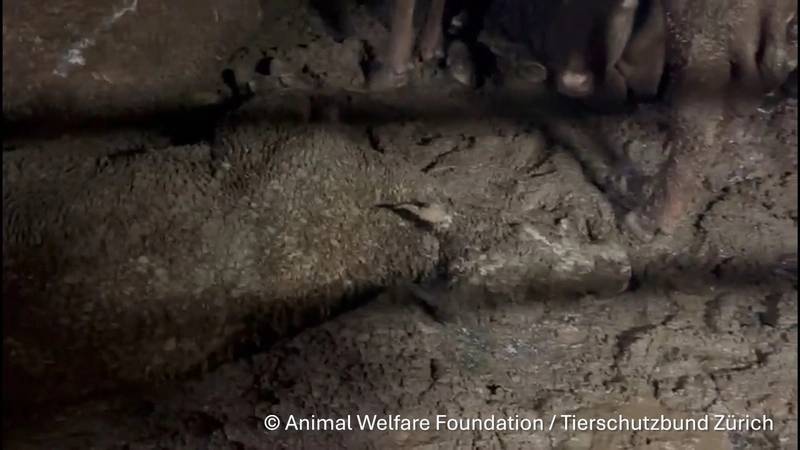
Imagery provided to Animal Welfare Foundation show the condition of the cattle after arrival in Turkey: dying animals lying in deep manure, weakened animals barely able to stand, calves lying next to dead animals, respiratory and eye problems, and overcrowded compartments.
Some calves are very small, while others are already so large that they must have been born at the start of the journey. “This means some heifers must have been loaded at a late stage of pregnancy. That is irresponsible,” says veterinarian Dr Maria Boada-Saña of Animal Welfare Foundation.
Despite the distress on board, Turkish authorities prohibited the unloading of the animals because they had determined that 518 cattle were not on the import list. According to the importers, the Austrian livestock dealer had loaded these animals knowing that Turkey might refuse the import.
What happened to the animals on the Spiridon II is not an isolated incident and could just as easily have happened to European animals, says Animal Welfare Foundation. The EU exports approximately 3 million animals by ship to North Africa or the Middle East every year. There are no contingency plans for such delays. If a vessel is turned away at the port of destination, animals are often trapped on board for weeks or even months.
Former live export veterinarian Dr Lynn Simpson said common sense dictates that pregnant animals and their unborn young are more vulnerable to the risks of sea transport. “These voyages deserve the utmost care. They certainly should be the last voyages where careless paperwork or potential corner cutting is undertaken.
“Mitigating strategies such as not transporting pregnant animals by sea or ensuring they are not in late stage pregnancies can prevent much suffering.
“The images of newborn calves on this voyage show clearly how the most vulnerable fare. They fare poorly. Newborns are especially vulnerable to being trampled after birth, contracting life threatening infections and having their mothers unable to care for them due to space and health constraints.
“Many cattle that give birth at sea succumb to infections that make feeding a newborn an impossibility - and ships do not carry formula for them.
“All this suffering with breeding animals being exported by sea can be avoided by exporting genetic material by air. Embryos and semen are easily and safety transported by air, and this practice should replace the export of pregnant breeding animals by sea immediately.”
In December last year, after the Spiridon II livestock deaths, a global network of 36 animal welfare and protection organizations around the world issued an urgent call to the IMO to introduce binding international regulations for livestock carriers. In an open letter sent to the IMO Secretary-General, the organizations outlined systemic safety failures across the global live export shipping fleet, which is now the oldest of any ocean shipping sector, with an average vessel age of 40 years.


