

Massive Increase in Oil Transport Through Danish Waters
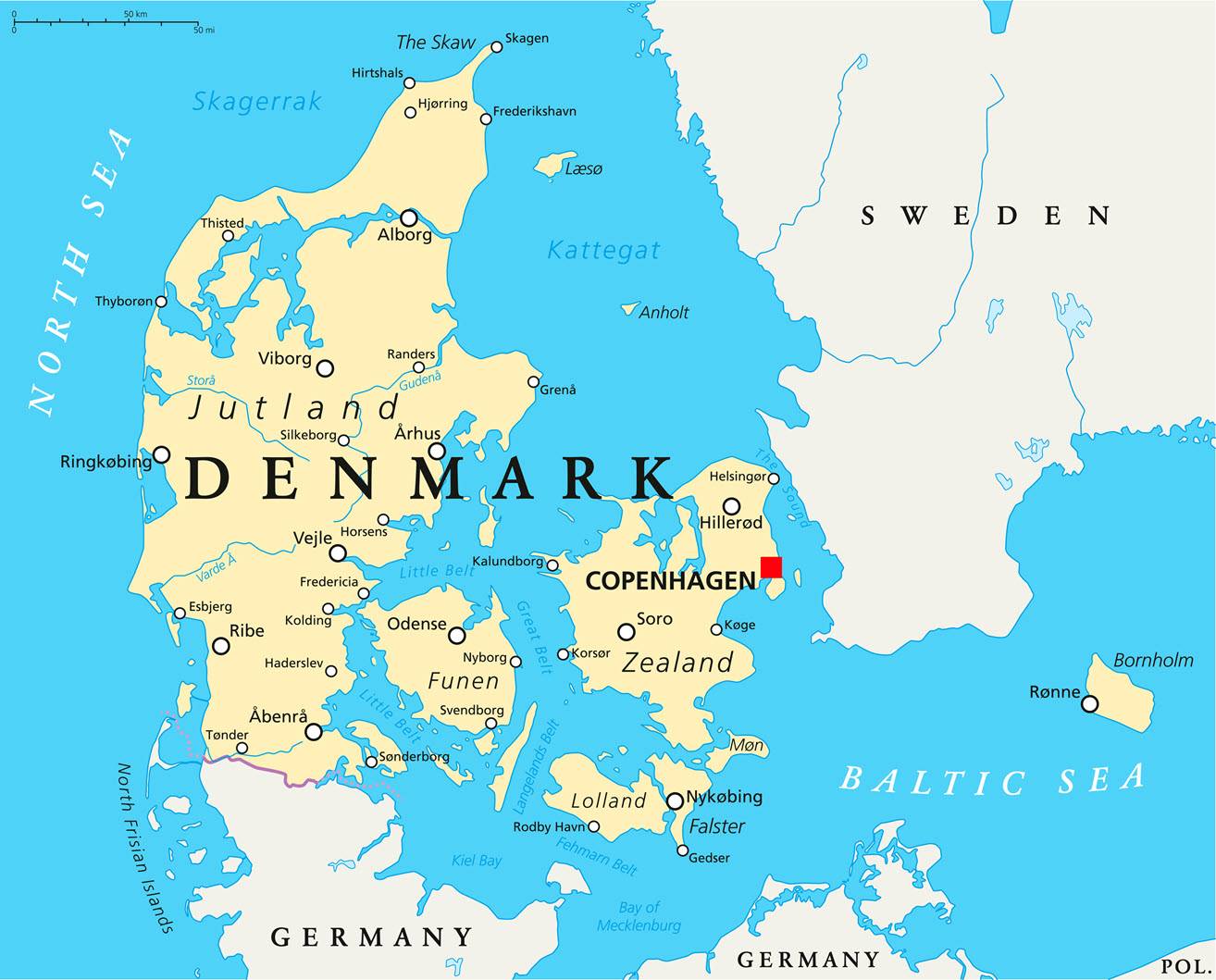
Major geopolitical events have led to massive changes in the patterns of global oil transport at sea. This underlines the importance of effective Danish marine environmental preparedness when almost five million barrels of oil pass through Danish waters every day, according to Danish Shipping Companies.
In the first half of 2025, as much oil was shipped through the Great Belt and the Sound as through the Suez Canal. Here, 4.9 million barrels of oil were shipped through both places per day. For the Great Belt and the Sound, this is an increase of 58 percent from 2021 to 2025.
This is shown by a new analysis from Danish Shipping Companies, which describes how the traffic of oil through the world's largest sea lanes has developed from 2021 to 2025.
“The international sanctions imposed on Russia as a consequence of their invasion of Ukraine have meant that a much larger part of Russian oil exports are now shipped to the world market through the Baltic Sea than before. With the sanctions against Russian oil, countries such as Germany and Poland have increased their imports of Norwegian and American oil. This also explains part of the increased oil traffic in the Great Belt and the Sound,” says Anne H. Steffensen, CEO of Danske Rederier.
Part of the Russian oil is transported through Danish waters on so-called shadow fleet ships, some of which are in poor condition and have extremely uncertain insurance and ownership conditions.
"It obviously increases the concern about an oil disaster in Danish waters when such large – and increasing – quantities of oil are shipped close to our coasts every day on ships of questionable quality. Unfortunately, today we do not have the necessary marine environmental preparedness in place to handle such a disaster – God forbid – should happen. It should be an important priority for a new government to establish it. Our members are ready to contribute with important capacities, manpower and know-how that can be activated quickly," says Steffensen.
The analysis from Danish Shipping also shows that the Strait of Malacca and the Strait of Hormuz are the global hubs through which by far the most oil is transported. Over 20 million barrels of oil daily. This underlines why the war in Iran has such great potential significance for shipping and the world economy.
The Houthis' attacks on shipping in the Red Sea have resulted in much larger quantities of oil being shipped around Africa, while traffic through the Bab el-Mandeb Strait and the Suez Canal has plummeted.


