

Necropolitics: The Disposability of Migrant Fishers

The term necropolitics was first coined with reference to concentration camps, apartheid regions, and historical slave plantations.
It is the exercise of sovereignty which resides, to a large degree, in the power and the capacity to dictate who may live and who must die.
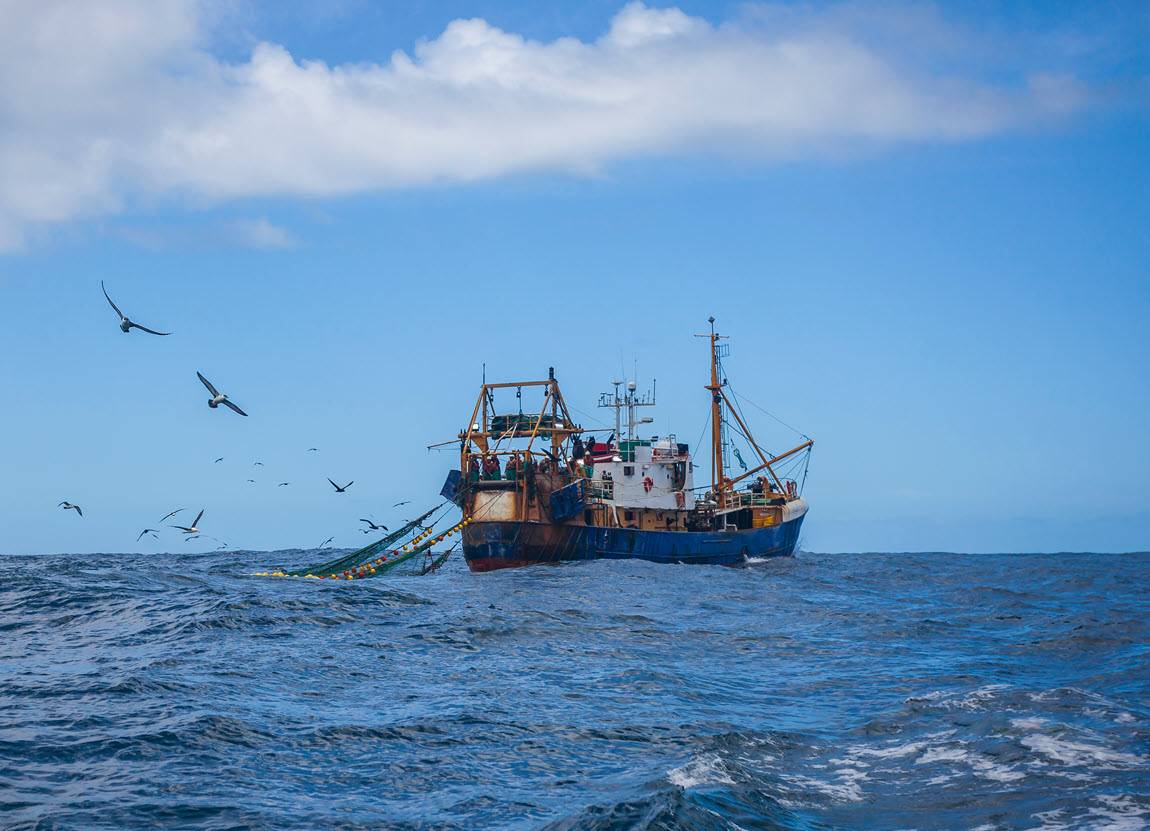
Now researchers from Australia and New Zealand have extended the concept to fishing vessels where captains control medical decisions, food and water distribution and the use of violence onboard.
Migrant fishers onboard remote fishing vessels can suffer “active” or “slow” deaths. Active deaths result from violence, accidents and suicide; slow deaths result from prolonged neglect leading to malnutrition and preventable illness.
The researchers used these concepts to assess the cases of 55 Indonesian fishers who died or went missing on East Asian fishing vessels, predominantly Chinese and Taiwanese, between 2015 and 2022. Among them:
Sugiama was found dead in his bunk six hours after being hit across the head for not working fast enough on his 18-hour shift. His cause of death was initially recorded as pulmonary oedema; however, eyewitness accounts attributed his death to the beating.
Supriyanto worked up to 22 hours a day and received two meals per day during times of intense fishing. At other times, it would just be one meal. Supriyanto endured various forms of violence, including being whipped and having a stun gun used on him. In one incident, his knee was slashed with a knife. His death was recorded as “accidental” – a fall resulting in a knee injury that became infected, leading to septicemia and death.
The captain told investigators that the vessel had returned to shore after Supriyanto’s death and that, after an earlier incident, they had searched for a missing fisher for three days. However, using vessel tracking data, Global Fishing Watch revealed that the vessel had continued fishing in both cases.
Other cases included were the five deaths on the Hsin Chiang from hunger and malnutrition, five on the Han Rong fleet of vessels (four recorded as being in pain and with swollen bodies, and one dying from an unreported illness), and four on the Lu Rong fleet of vessels (two from illness and two from accidents).
Beriberi is an example of slow death. It is a disease caused by severe vitamin B1 deficiency caused by a lack of fruit and vegetables. It can lead to acute heart and circulatory problems, including oedema, shortness of breath, chest tightness and heart failure. Fishers suffering from beriberi have been reported to experience sudden loss of muscle power, swollen limbs, numbness and respiratory distress in the days before they die.
Beriberi is easily preventable and treatable.
The cases discussed in the study demonstrate how deaths through neglect becomes normalized. “The interest is less in saving lives and more in saving money.”
They also reveal structural failures in the governance of labor in distant water fisheries, say the researchers. “There are gaps in both legal and institutional protections, such as the lack of mandatory reporting mechanisms associated with deaths at sea and the failure of flag states to ensure proper investigations.”
The ILO C188—Work in Fishing Convention, 2007 (No. 188), designed to address the dangerous and difficult working conditions in the global fishing industry, was adopted in 2007 and entered into force in 2017. Yet relatively few countries have ratified it.
“The absence of closed-circuit television evidence, autopsies, and oversight bodies means that the circumstances of a fisher’s death can be hidden. This is compounded by the transnational nature of employment chains, where recruitment agencies in Indonesia, employers in East Asia, and flag-state authorities can shift responsibility, leaving families without justice.”
This week, Argentina acceded to the Cape Town Agreement, triggering its entry into force in 12 months. Once in force, flag States must ensure that vessels under their registries comply, while Port States have the right to inspect foreign vessels in their ports to verify compliance with the 2012 Cape Town Agreement requirements. These cover the design, construction, equipment and inspection of fishing vessels, as well as vessel stability and seaworthiness, machinery and electrical installations, life-saving appliances, fire protection and communications equipment.


