

Pilot Vessel Grounding Linked to Ineffective Use of Electronics
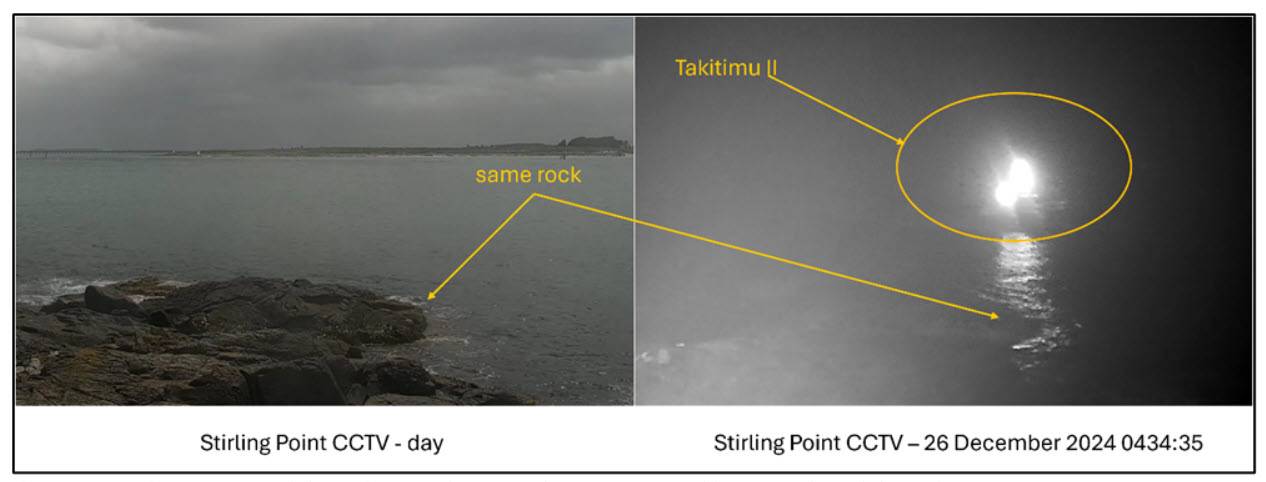
New Zealand’s Transport Accident Investigation Commission (TAIC) has released a report into the grounding of the pilot vessel Takitimu II at Striling Point, Bluff, New Zealand, on December 26, 2024.
The South Port’s pilot boat set out from Bluff to transfer a pilot to an incoming ship. After passing Stirling Point the master made an excessive course alteration and at about 18–20 kt the vessel ran aground on rocks and sustained moderate damage to its hull and underwater fixtures. Two of the three people on board suffered minor injuries. There was no pollution. Coastguard later towed the vessel off the rocks and back to port.
Speed and route choice reduced the time available to detect and correct course. Fog patches in the area restricted visibility, yet the master navigated by referring to their usual visual references and didn’t make effective use of the compass and electronic navigation equipment. The deckhand alerted the master when navigation screens showed they were heading toward shore, but by then there was insufficient sea room to avoid the rocks.
The Commission found that no mechanical fault, medical event or distraction contributed to the accident.
TAIC identified two linked safety points:
• Electronic navigation tools provide a more reliable cross-check when visual cues are degraded. In lower visibility, navigating mainly by eye limits a master’s ability to confirm location and heading.
• When tasks are done repeatedly without incident, techniques that work ‘most of the time’ can get normalized, even when people know they’re risky in challenging conditions. This is a common risk in safety-critical operations. At the time of this accident, South Port’s Maritime Transport Operator Plan didn’t require periodic verification of navigation proficiency of pilot-vessel masters. The port had no formal way to confirm that everyday navigation practices continued to reflect best practice.
South Port has updated its training and procedures, added six-monthly proficiency assessments and revised its MTOP and standard operating procedures.
TAIC says the report serves to remind marine professionals:
• Use all available navigation aids to confirm position and monitor progress, especially when visibility is reduced.
• Make it a habit to cross-check between visual cues and electronic instruments in departure and passage checklists.
• Set safe speeds that allow time and sea room to detect and correct errors.
• Standardize routes and passage plans and include them in SOPs.
• Implement regular, documented proficiency checks and refresher training for launch and pilot-vessel masters.