

Rates for Mideast-Asia Oil Tanker at Highest Since 2020
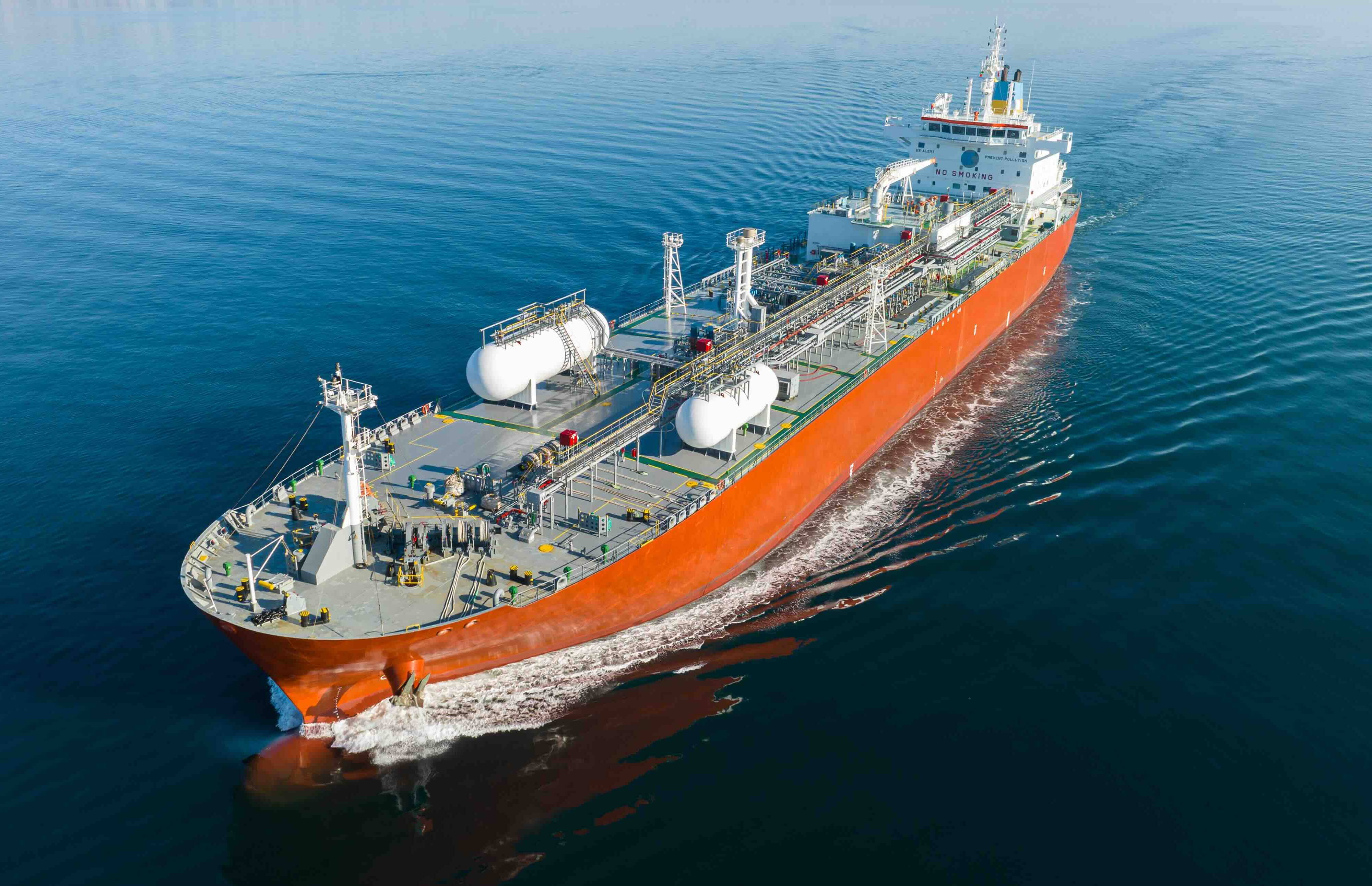
The cost of hiring a supertanker from the Middle East to China exceeded $200,000 a day on Thursday for the first time since 2020 as the threat of U.S. attacks on Iran grows and buyers seek to lock in oil cargoes, according to data and market sources.
Iran pledged to show flexibility at indirect talks with Washington on their longstanding nuclear dispute on Thursday, with Tehran under pressure to agree to a deal or face U.S. military strikes. The Strait of Hormuz runs along Iran's coast and is the world's key chokepoint for Gulf oil exports.
"While the Strait of Hormuz has never been fully closed, there is a risk of disruptions or temporary closure if U.S./Iran tensions escalate," shipping association BIMCO said in a report on Thursday.
"If that happens, 30% of global seaborne oil exports may no longer be available to the market."
The benchmark freight rate DFRT-ME-CN, also known as TD3, for very large crude carriers (VLCCs) rose to W218.52, or $206,141 per day, on the Worldscale industry measure used to calculate freight rates, the highest since April 2020, LSEG data showed.
It has nearly quadrupled from the start of the year, according to the data.
The surge in oil shipping costs follows increased crude exports from the Middle East as traders have accelerated charters ahead of a possible military conflict between the U.S. and Iran. The rise is likely to reduce Asian refiners' profits.
A buying spree by South Korean shipping group Sinokor has also supported freight rates, industry sources have said.
Adding to spot demand, Saudi Arabia's biggest oil shipper Bahri has provisionally chartered three VLCCs, which can carry up to two million barrels - Nissos Anafi, DHT Jaguar and Maran Dione - to load crude on March 11-13 at W190-191 levels, said a shipbroker who declined to be named due to company policy.
Bahri did not immediately respond to a request for comment.
A rush of cargo bookings by a Chinese state major in the past two days has highlighted the urgency, separate data showed.
Tighter ship availability and slow deliveries of new vessels also mean ship scrapping is expected to remain low this year.
"With charter rates still strong, we would not expect much conventional tonnage to head for recycling," Jamie Dalzell, senior trader with top recycler GMS, told Reuters.
(Reuters)