

Russian Seaborne Diesel Exports Fall 3% Between February and March
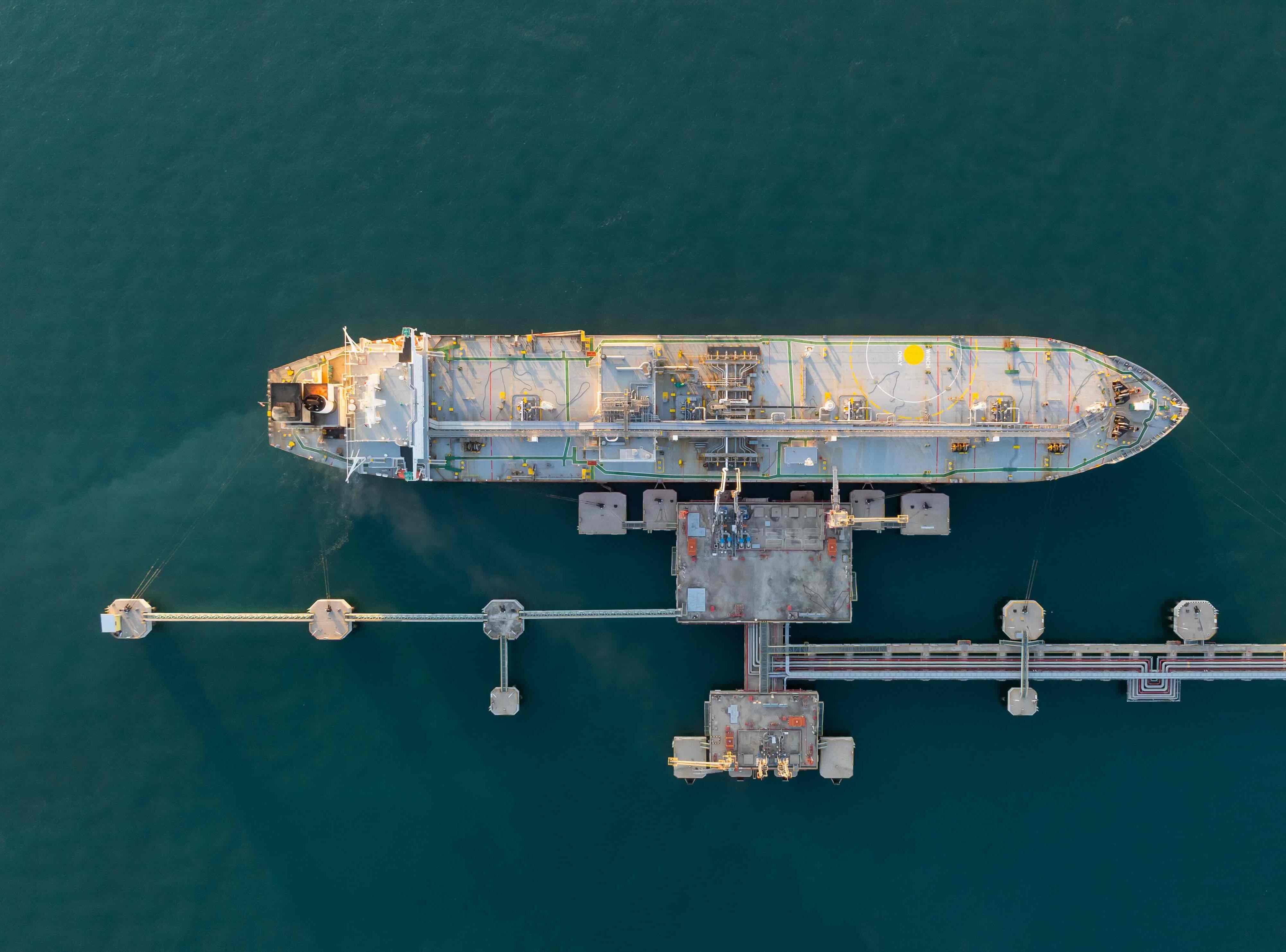
Russia's seaborne diesel and gasoil exports fell 3% in March from February to around 3.06 million metric tons as repeated drone attacks disrupted fuel loadings at key ports, data from market sources and LSEG showed.
Ultra-low-sulphur diesel shipments from the Baltic port of Primorsk, Russia's biggest outlet for diesel exports, fell to 1.713 million tons, down 2.6% from February, the sources said.
The Russian Baltic ports of Primorsk and Ust-Luga were repeatedly hit by Ukrainian drone attacks last week.
On March 22, the two ports suspended oil and fuel loadings following drone attacks. A further drone attack the next day caused a fire at a storage farm in Primorsk.
Crude oil and diesel loadings via Primorsk resumed on March 26 but at lower-than-normal capacity because of damage to port infrastructure, according to market sources.
A ban on non-ice-class tankers entering Russian Baltic ports also hampered loadings last month, traders said.
Diesel shipments from the southern port of Novorossiysk fell by about 16% in March amid persistent storms and drone attacks, according to market sources and LSEG data.
Turkey and Brazil remained the biggest buyers of Russian diesel and gasoil tanker cargoes last month, although tankers carrying a combined 0.353 million tons of fuel have yet to declare discharge ports, LSEG data showed.
Another group of vessels carrying about 0.62 million tons of Russian diesel is heading to anchorages near Port Said in Egypt and Limassol in Cyprus.
Ship-to-ship transfers (STS) increased from January as Western sanctions tightened and tanker availability declined, market sources said.
Morocco, Ghana and Syria were among other top importers of Russian diesel cargoes in March, according to shipping data.
(Reuters)