

Saudi Arabia Tries to Divert Oil to Red Sea
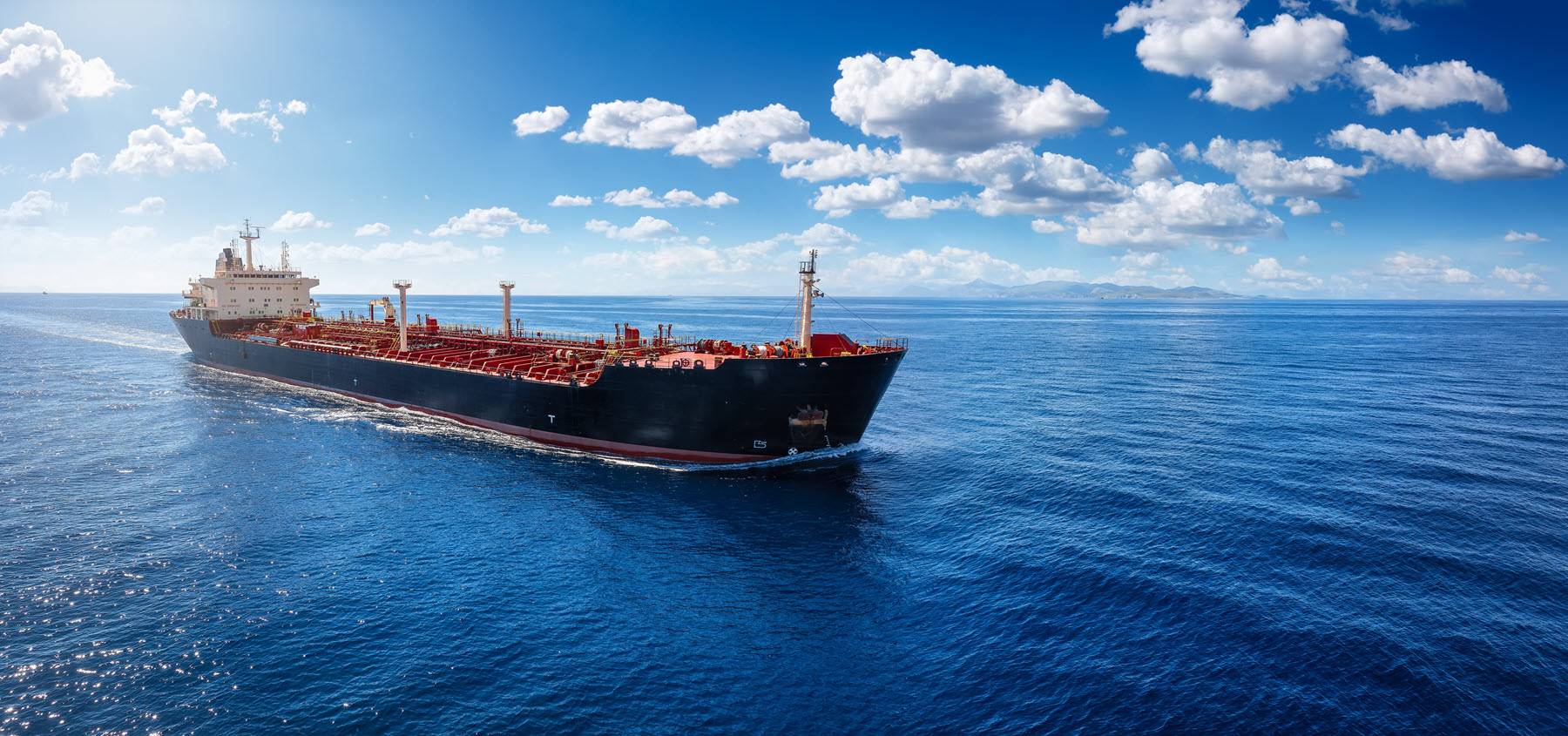
Saudi Arabia's state oil company Aramco is attempting to reroute some of its crude exports to the Red Sea to avoid the Strait of Hormuz, where the risk of Iranian attacks has slowed shipping to a near halt, sources said on Tuesday.
Saudi Arabia and other regional Gulf oil producers, such as the United Arab Emirates, Kuwait and Iraq, have been unable to move oil through the Strait since the U.S. and Israel launched attacks on Iran on Friday. Hundreds of ships have anchored on either side of the Strait as a precaution, and Iran has said it would fire on any vessel that attempted to transit the shipping choke point.
Global oil benchmark Brent crude futures have risen 12% so far this week as the conflict disrupts oil and gas supplies.
Without exports, oil producers will have to cut output when they fill storage. Iraq has already cut output by nearly 1.5 million barrels per day because tanks are brimming.
Saudi Aramco aims to avert cutting production by rerouting some supplies to the Red Sea port of Yanbu.
Aramco has informed some buyers of its Arab Light crude that they must load cargoes at Yanbu, three sources said.
Aramco declined to comment.
Saudi Arabia exported around 7.2 million barrels per day in February, according to ship tracker Kpler. Of that, 6.38 million bpd went through the Strait.
The kingdom's East-West Pipeline can pump oil from the country's main eastern oilfields to the Red Sea and has capacity to transport around 5 million bpd. In 2019, the pipeline temporarily handled 7 million bpd after natural gas liquid pipelines were converted to carry crude.
It is unclear, however, if Yanbu has the capacity to load that amount of crude the pipeline can carry onto ships, traders and buyers said. Crude loadings at Yanbu hit a peak of just under 1.5 million bpd in April 2020, Kpler data showed.
"There are logistical trade-offs involved, including ... what rate the Yanbu crude terminal on the Red Sea can sustainably load vessels at," said Richard Bronze, co-founder of consultancy Energy Aspects.
There is some concern that the line itself may become a target for Iran and its allies, traders, buyers and analysts said.
The Red Sea also brings the risk of attacks from Iranian allies in Yemen, which disrupted shipping during the Israel-Gaza war.
Already, tanker rates to load from Yanbu have more than doubled, buyers and traders told Reuters.
Crude oil tanker Pantanassa was fixed to load at Yanbu on March 28 or 29 for delivery to South Korea at a cost of $28 million, two shipping brokers said, more than double the usual rate.
Multiple oil tanker fixtures for the Middle East fell through before they could be locked in as shippers were reluctant to navigate through the region, sources said.
OTHER ALTERNATIVES
The United Arab Emirates also has a pipeline that it can use to transport some crude and bypass the Strait. The Abu Dhabi Crude Oil Pipeline (ADCOP), known as the Habshan-Fujairah Pipeline, has a capacity of 1.5 million bpd and transports oil from Abu Dhabi’s fields to the port of Fujairah on the Gulf of Oman.
ADCOP feeds Fujairah's storage terminals and refining facilities. Fujairah has also come under attack, and ship loading at the port slowed on Tuesday after air defences intercepting a drone, causing a fire.
TANKER RATES
Stamatis Tsantanis, Chairman & CEO of global shipping company Seanergy Maritime and United Maritime says the closure of the Strait of Hormuz has already led to a four to five times increase in freight rates for tankers and significant shortages in the global supply chain. He says 3,200 ships are at a complete standstill in the region, each carrying a million barrels of oil.
“In the global supply chain, sooner or later there will be significant shortages, especially in crude oil. Given the fact that a lot of Asian countries, like Japan and Korea are very much dependent on Arabian Gulf oil, they need to find alternative sources.”
(Reuters and staff)


