
Ten Years of SEACOP in the Caribbean
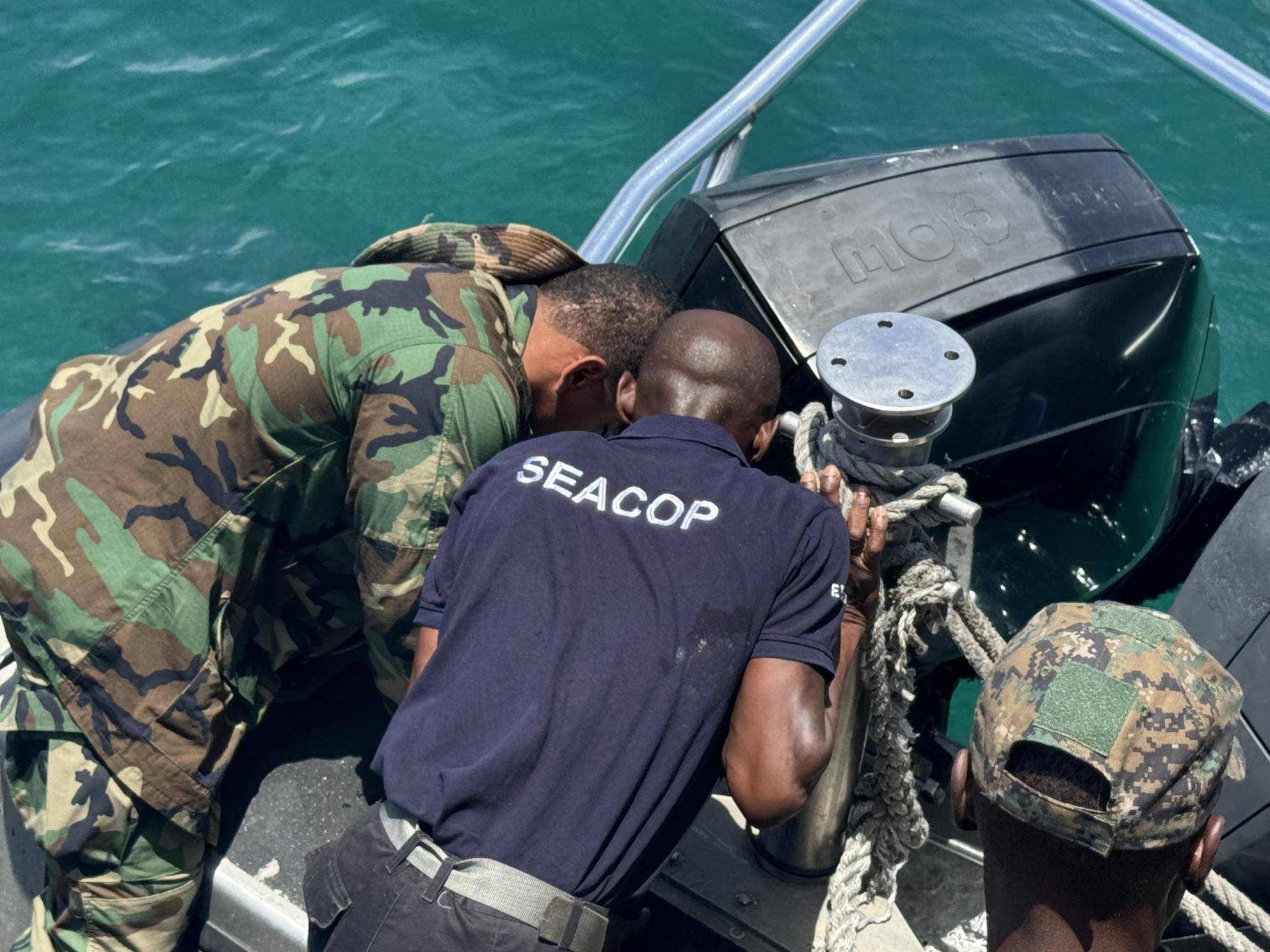
Starting with a few training sessions back in 2015, the EU Seaport Cooperation Project (SEACOP) has led to enhanced maritime security by combating illicit trafficking at sea in the region.
Deployed across three strategic regions affected by maritime trafficking, Latin America, the Caribbean and West Africa, SEACOP, it is now a cornerstone of the region’s maritime security efforts, helping national authorities from 13 countries tackle transnational illicit trafficking through intelligence sharing, inter-agency coordination and training.
“The Caribbean is unique by virtue of its geographical location,” explains Alexander Kellman, SEACOP’s Deputy Regional Coordinator for the Caribbean, and himself a participant in the very first cohort of trainees back in 2015 in Barbados. “It sits right between the source and consumer markets, becoming as such a natural transit zone for criminal networks.”
While local consumption is limited, the region’s geography and porous maritime borders make it an ideal corridor for illicit shipments. Criminal organizations exploit this vulnerability, using the region’s vast maritime space to move everything from narcotics and ammunition to counterfeit goods, live animals and endangered flora.
“Unfortunately, small island nations don’t always have the resources, financial but also human, to respond to those threats effectively. This is where SEACOP comes in,” continues Kellman.
SEACOP’s structure itself reflects the region’s realities. Unlike other parts of the world, Caribbean nations often lack the resources for full-time, dedicated maritime teams. Instead, SEACOP trains inter-agency units that remain embedded in their home organizations but mobilize seamlessly when intelligence or operations demand.
“If we need to act at 2 a.m., we know who to call, and we know they’ll answer,” Kellman explains. “Our networks are strong because we built them on trust, communication and shared goals.”
This decentralized, responsive approach has proven highly effective, with over 120 successful seizures achieved by SEACOP-supported teams across the region, involving drugs, weapons and other illicit cargo.
“SEACOP gave us the tools, the framework and the partnerships,” says Lieutenant Commander Graham Rocheford of the Barbados Coast Guard. “It has improved how we coordinate nationally, and with our regional neighbors. We respond faster, and we operate more effectively.”
At the heart of the project’s strategy is capacity building. From advanced vessel search techniques to intelligence-led operations, SEACOP has trained over 750 officers from coast guards, customs agencies and police departments across the Caribbean in the last five years.
As it celebrates 10 years of operation in the Caribbean, SEACOP’s story is not just one of seizures and arrests, but of trust built across borders, of officers empowered by training and of shared values taking root.
“We’ve come a long way in 10 years,” concludes Kellman. “But what makes me most proud is knowing that when we move, we move together.”