

Two Mothers Build Legacy for Paige Bell
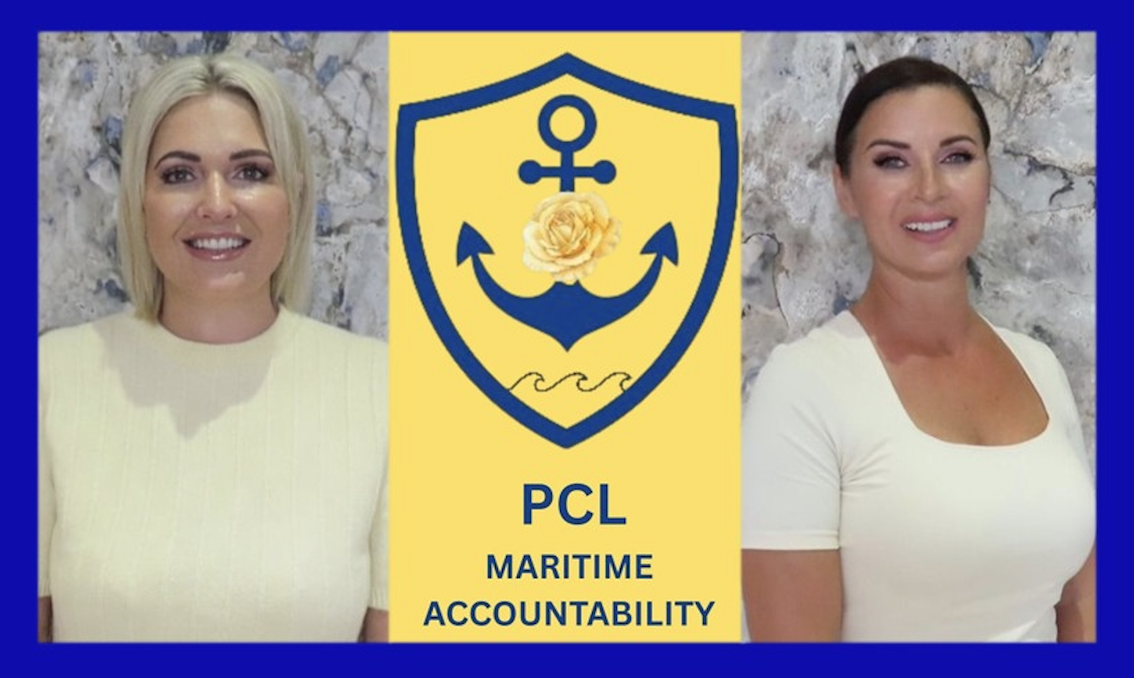
Two mothers, their family’s part of the larger Durban community involved in the pleasure yacht industry, are helping to build a legacy for Paige Bell. At age 20, Bell was tragically murdered while working onboard a superyacht in the Bahamas.
The two mothers, Charni Johnson and Nikki Coetzer, are working to help other superyacht crewmembers worldwide understand the risks, their rights, and their responsibilities – in her memory.
“In the weeks that followed Paige’s death, Paige’s mother came to my home,” said Nikki. “In a moment of overwhelming grief, she broke down and asked, ‘How could Paigey’s life be in vain?’ Sitting together in my kitchen, confronted with a mother’s unbearable loss, that question stayed with me. I promised her that Paige’s life would not be in vain and that I would do everything within my power to ensure her story was not forgotten. It was from that promise that Justice for Paige Bell was created, initially as a space for reflection, remembrance, and awareness.”
Justice for Paige Bell quickly gained traction as others engaged, shared concerns, and began asking questions about crew welfare and safety. Social media posts shared in her memory to mark what would have been her 21st birthday, 11 days after her death, reached the global yachting community and prompted a significant response. Crew members from around the world engaged in acts of remembrance and shared personal accounts describing experiences of misconduct, exploitation, and mental health challenges within the industry.
“As that engagement grew, it became clear that something more structured was needed. This led to the creation of Protecting Crew Lives (PCL), with the full consent of the Bell family,” said Nikki. “Paige’s death sent shockwaves through the international yachting sector, and the volume and consistency of the shared experiences highlighted a clear gap in crew welfare and safeguarding.”
Charni cites Nelson Mandela: “What counts in life is not the mere fact that we have lived. It is what difference we have made to the lives of others that will determine the significance of the life we lead.”
With that inspiration, the women advanced their efforts. PCL now operates as an independent, advocacy-led platform. Its role is to raise awareness, encourage reflection and provide signposting to existing resources that support crew welfare, safety, and reporting sources. However, PCL does not investigate incidents, determine responsibility, or offer legal, medical, or professional advice.
Potential contributing factors to welfare breaches include power imbalances, lack of independent reporting pathways, fear of career repercussions, and inconsistent safeguarding standards.
Nikki says that performing crew background checks is one preventative measure among many. Crew should also understand their rights and responsibilities. She would also like more yacht-specific content at STCW level training.
She strongly believes in people taking personal responsibility for their actions. “Policies are only effective if people choose to act ethically,” she said. “Lasting change starts with personal conscience and willingness, not legislation alone.”
The women are now working with a network of aligned organizations, who are contributing to efforts aimed at achieving meaningful reform within the superyacht industry.
“Our hope is that Protecting Crew Lives continues to serve as a constructive and credible platform that crew, families, and industry stakeholders can refer to,” says Charni. “More broadly, we would like to see greater consistency, transparency and humanity embedded into how crew welfare is approached across the industry.
“Our message is clear. These are our children, our family, our future. Crew are not objects for exploitation, control, or personal entitlement. For too long, fear of repercussions has silenced individuals and discouraged reporting. As clearer reporting pathways begin to emerge, that silence is being challenged.”


