
Marine Link
Wednesday, May 6, 2026

Maritime Security

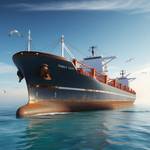
Maritime Security is a term which applies to a large variety of technology, devices, and operations both on deck and on shore. It can mean the simple measures used by boat owners and operators to protect individuals, vessels, and cargo from theft, sabotage, or piracy. It can also refer to the large-scale initiatives of modern naval forces to prevent and arrest dangerous and illegal activities; such as hijacking, piracy, and human trafficking.

In the United States, these actions are largely undertaken by the USCG, which is appointed to protect all ports, vessels, and facilities. These duties were outlined and expanded by the Maritime Transportation Security Act of 2002 in an effort to combat terrorism. On international waters, maritime security regulations are addressed by the International Ship and Port Facility Security Code, which was adopted in 2002 by the International Maritime Organization (IMO).

Both of these agreements are concerned with vessel security. They state that vessel owners/operators must appoint security officers, formulate and implement security plans and measures according to the specifics of the vessel, and follow the dictates of global security levels. The same regulations are in place for owners and operators of marine facilities, whether they are located offshore or on the waterfront.

Tags: maritime security

© Adobe Stock/libin

US, Bahrain Support UN-Backed Resolution for Strait of Hormuz

U.N. Security Council members will begin talks on Tuesday on a U.S.- and Bahrain‑backed…

© Online Oceans

Online Oceans Raises $5m for Maritime Defense Autonomous Surface Fleets

Online Oceans, a UK company building autonomous surface vessels and fleet software…

© Adobe Stock/Peter Hermes Furian

Iranian Swarms of Fast Boats Used to Seize Container Ships Add to Shipping Threats

Iran's use of a swarm of small, fast boats to seize two container ships near the…

U.S. forces patrol the Arabian Sea near M/V Touska, April 19, 2026, after the Iranian-flagged vessel attempted to violate the U.S. naval blockade. (U.S. Navy photo)

US Intercepts Three Iranian Tankers in Asian Waters

The U.S. military has intercepted at least three Iranian-flagged tankers in Asian…

© Rokas / Adobe Stock

Iran Detains Two Container Ships for Maritime Violations

Iran said it had captured two container ships seeking to exit the Gulf via the Strait…

© DiBook design / Adobe Stock

Three Ships Fired Upon in Strait of Hormuz, Crews Unharmed

At least three container ships were hit by gunfire in the Strait of Hormuz on Wednesday…

© Dakota B. Oldeman / Adobe Stock

France and Greece to Renew Defense Pact

French President Emmanuel Macron will travel to Greece next week to renew a security pact between th

Dr. Dayo Mobereola and Mr. Bryan Ullmer. © Nigerian Maritime Administration and Safety Agency

US Coast Guard Continues to Provide Technical Support for Nigeria Port Security Compliance

The Nigerian Maritime Administration and Safety Agency, NIMASA has reaffirmed its…

Source: social media

How Many Ships have been Attacked in the Gulf Since Start of Iran War?

The Iran war has threatened Gulf ports and disrupted global trade through the Strait of Hormuz…

Copyright ImageBank4U/AdobeStock

List of Vessels Attacked Since Start of War in Iran

The U.S.-Israeli war on Iran has threatened Gulf ports and disrupted global trade…

© Windward

Windward Daily Brief March 16: 20 Commercial Maritime Security Incidents Since Start of War

Windward is publishing daily intelligence reports on the crisis in the Gulf as the…

Source: Royal Thai Navy

Six Vessels Attacked as War Puts Merchant Ships on Front Lines

Explosive-laden Iranian boats appear to have attacked two fuel tankers in Iraqi waters…

Related Articles

Drug Smuggling on Ships and Submarines: An Escalating Threat

Drug smuggling has long been a lucrative enterprise for criminal organizations worldwide. With the increasing sophistication of law enforcement agencies and border controls, smugglers are continuously adapting their methods. One of the most challenging trends to combat is the use of ships and submarines to transport illicit drugs across international waters. This article explores the methods, routes, and challenges associated with maritime drug smuggling.

Rising Technological Threats in Global Shipping

The maritime industry, a crucial pillar of global trade, has always grappled with the challenge of piracy. Over the past few decades, the nature of piracy has dramatically evolved, and new technologies have become a double-edged sword. On one hand, they offer improved safety and navigation capabilities; on the other, they provide pirates with unprecedented tools that enhance their capacity for disruption, theft, and violence. Let's delve into the growing threat of new technologies in maritime piracy and the implications for global maritime security.

Blockchain in Shipping: Revolutionizing Global Supply Chains

Blockchain technology, initially developed as the backbone of cryptocurrencies like Bitcoin, is now making waves in the shipping industry. With its ability to provide secure, transparent, and tamper-proof records, blockchain is poised to revolutionize global supply chains, addressing some of the most persistent challenges in maritime logistics, including inefficiencies, fraud, and lack of transparency.

Next-Gen Naval Power: Innovations Reshaping Modern Fleets

Naval forces globally are undergoing a profound transformation, driven by an accelerating pace of technological innovation and evolving geopolitical landscapes. This article explores the cutting-edge advancements that are redefining maritime defense and offense. From the integration of artificial intelligence and unmanned systems to the development of directed energy weapons and advanced stealth capabilities, we delve into how these innovations are enhancing situational awareness, extending operational reach, and enabling new forms of naval warfare. The future fleet will be characterized by networked, intelligent, and highly adaptable platforms, operating across multiple domains to secure sea lanes and project power more effectively than ever before.

Pipelines

Modern pipelines are installed with and other control devices (pumps and valves) to efficiently move liquids, gases, slurries (solid particulates in liquid suspension) and even solids. Pipelines usually consist of welded sections of metal pipe…

Subscribe for
Maritime Reporter E-News

Maritime Reporter E-News is the maritime industry's largest circulation and most authoritative ENews Service, delivered to your Email five times per week