Port Authority
A port authority operates ports and other transportation infrastructure for a special-purpose district. Whether operated directly by the government or in cooperation with government agencies, North American port authorities are public entities and are governed by a board or commission. Most port authorities are financially autonomous. Port districts may also operate shipping terminals, airports, railroads, and irrigation facilities. The port authority often owns land, dictates fees, and collects taxes.

Three Dead After Supply Boat Sinks in Singapore
A supply boat sunk off Pasir Panjang Terminal on June 12 at about 9.30am after colliding…

Three Dead as Supply Boat Sinks Off Singapore Terminal
A supply boat sunk off Pasir Panjang Terminal on June 12, 2026 at about 9.30 AM after…

Container Ship Sinks Off Batam
A Tanzania-registered container ship, Golden Star 1, sank about 6 km off Batam, Indonesia…

ABB to Equip Electric Tugs Under India Green Fleet Plan
ABB has secured a contract from Cochin Shipyard to supply power and propulsion systems…

MPA and MSC to Advance Sustainable and Digital Development
The Maritime and Port Authority of Singapore (MPA) and MSC Mediterranean Shipping…

BHP and GCMD Trial B100 Blend in Existing Supply Chain
BHP and the Global Centre for Maritime Decarbonisation (GCMD) have blended biofuels…

Port of Albany-Rensselaer Hosts Maritime Summit
The Port of Albany-Rensselaer, NY hosted a half-day Maritime Summit that featured…

Port of Corpus Christi: Deep Water and Big Energy
Drive into Corpus Christi and you can feel the paradox that defines many port cities…

IRPT Announces New Great Lakes Basin Directors
Inland Rivers, Ports & Terminals (IRPT) has announced the election of two industry…

Car Carrier Elder Leader Trials Autonomous Nav System
NYK-operated car carrier Elder Leader, which is equipped with an autonomous navigation system…

World’s First Ammonia Port-to-Ship Bunkering for Commercial Vessels Completed at Ulsan Port
The Ulsan Port Authority (UPA) announced the successful completion of the world’s…

Singapore MPA Renews Partnership with Shanghai Maritime University
The Maritime and Port Authority of Singapore (MPA) and Shanghai Maritime University…
U.S. Rebuilding Shipbuilding Industry with Policy and InvestmentThe U.S. government is launching a new era for shipbuilding, with a focus on industrial base renewal, national security, and economic growth. Key developments include:The establishment…
The vast, open oceans have long served as conduits for commerce, adventure, and exploration. However, along with the grandeur of maritime activities comes inherent risks, one of which is the specter of armed robbery at sea. Also known broadly as maritime piracy, this menacing threat envelops not just the economic marine highway but also the lives and safety of those who navigate it.
The maritime industry offers a vast array of career opportunities, each playing a crucial role in the global economy. From navigating the high seas to ensuring the smooth operation of ports and shipping lines, maritime careers are diverse and dynamic. This article explores the various career paths available in the maritime industry, the skills required, and the benefits of pursuing a career at sea.
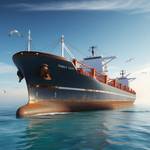
Tanker ships are an important component of the maritime sector, and they transport liquid cargoes around the world. These vessels are vital to the supply chain for energy, chemicals and other essential commodities. There are many types of tankers, each designed for specific cargoes such as oil, LNG, chemicals, or other liquids.
All ships need maintenance and repairs. Many repair and maintanance operations can be performed at sea or by the crew in port. Complicated or large-scale repairs might require the ship to be removed from commercial operation. Classification…