

AI Welding Studied for Louisiana Shipyard
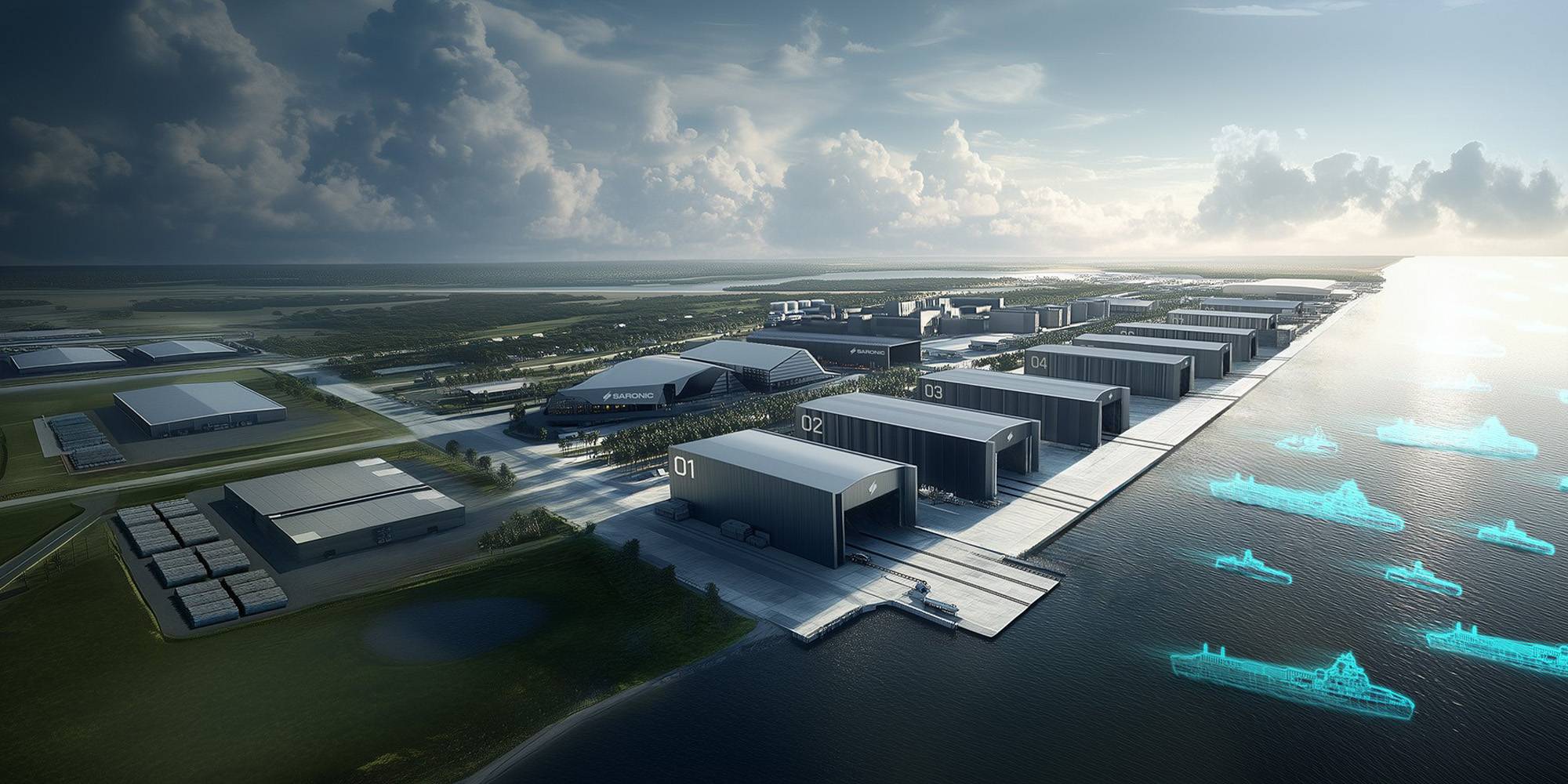
U.S. autonomous vessel developer Saronic is moving to integrate physical AI-driven welding robotics into its Louisiana shipyard operations, launching a collaboration with Path Robotics aimed at accelerating production and modernizing American shipbuilding.
The initiative will begin at Saronic’s Franklin, Louisiana facility, where intelligent welding cells will combine Path Robotics’ AI-enabled welding models with Saronic’s in-house team of welders. The goal is to increase throughput, improve weld consistency and quality, and enhance worker safety while reducing production variability.
Path Robotics has developed welding systems that integrate computer vision, machine learning and robotics to automate complex welding tasks in heavy manufacturing environments. The company reports that its physical AI has been trained on tens of millions of inches of weld data, enabling systems that can adapt in real time to changing conditions on the shop floor.
For Saronic, which is expanding its Louisiana footprint and developing its next-generation Port Alpha shipyard, the integration of robotics aligns with a broader “software-led” manufacturing philosophy. The company says embedding AI-driven automation into linear production workflows will support higher-volume output of its autonomous maritime vessels while maintaining consistency and repeatability.
John Morgan, Saronic’s Head of Manufacturing, said restoring U.S. maritime industrial capacity requires rethinking how shipyards are designed and operated. By pairing experienced welders with intelligent robotic systems, the company aims to create a more resilient and scalable production model.
Lessons learned from robotics deployment in Franklin will inform the design and build-out of Port Alpha, which Saronic intends to develop from the outset around automation, advanced manufacturing and software-defined systems — positioning robotics-enabled production as a cornerstone of next-generation American shipbuilding.