

Due Diligence Required as More Biofuel Feedstocks Used
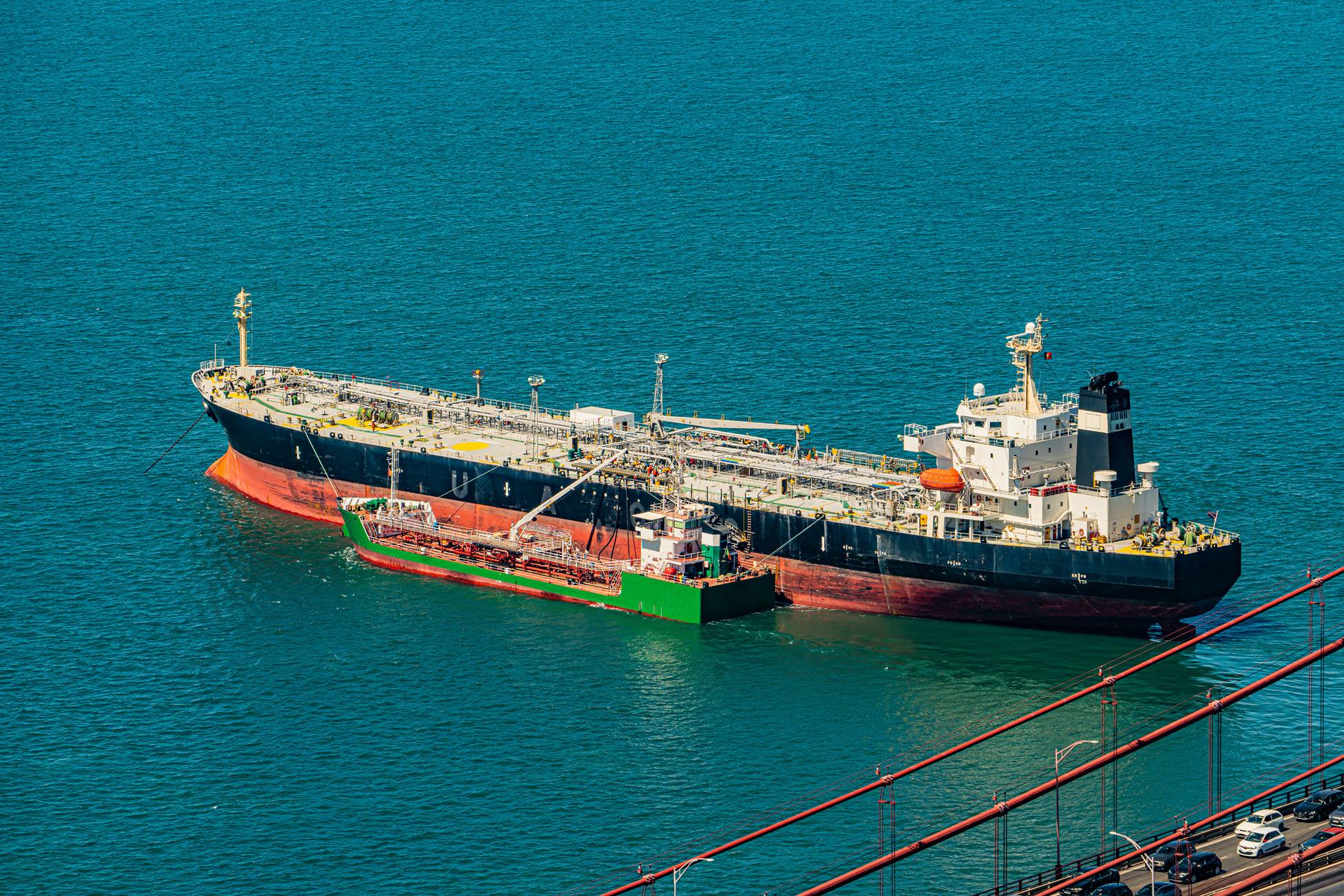
NorthStandard has published a new white paper focusing on the accelerating adoption of biofuels in commercial shipping. ‘Biofuels – Driving the green transition’ brings together insights from NorthStandard, supplier World Fuel and leading testing agency Veritas Petroleum Services (VPS), in a unique discussion document outlining biofuel uptake, potential issues and loss prevention measures.
Many owner-operators who seek a drop-in solution to drive maritime decarbonization choose biofuel blends. With regulation tightening, replacing conventional bunker fuels without major modifications to ship systems is appealing and low risk. Biofuel sample testing undertaken by VPS increased by a factor of 12 between 2021 and 2025, for example, to reach over 1 million MT.
Blends with a ‘bio’ component of 5%-10% are already widely used. Last year, FuelEU Maritime regulations required ships to cut GHG intensity 2%, with 6% necessary by 2030. However, with reductions to 14.5% required by 2035 and up to 80% by 2050, higher bio components will be needed.
Meanwhile, a 30%-40% bio component aligns with the IMO target for ships to cut well-to-wake GHG intensity 65% by 2040 (compared to 2008).
“Biofuels remain the leading short-term decarbonization pathway for shipping, and regulatory tightening, rapid demand growth, and increasingly diverse feedstocks mean that buyers must implement stronger due diligence,” said Mark Smith, Loss Prevention Director – NNE and Decarbonisation, NorthStandard.
“NorthStandard has already received a first batch of biofuel quality-related claims, as well as several enquiries on the proof of sustainability (PoS) and supporting documentation required to verify compliance,” he said.
Fuels described as B100 (100%) biofuels sometimes turn out to be bio blends, for example, with unpredictable performance.
Where lower bio component blends are concerned, buyers must be nonetheless aware whether that component comprises Fatty Acid Methyl Esters, Hydrotreated Vegetable Oil or other substances, such as Cashew Nut Shell Liquid.
“In an ideal world owners would use HVO given its similarities to traditional marine diesel fuels,” according to Michael Green, Senior Quality Manager, World Fuel. “But from a supply perspective availability and overall cost are two major challenges. HVO is used widely in other transport sectors and as such availability for marine is likely to be limited.
“Robust and transparent development protocols, overseen by industry bodies such as ISO and CIMAC will be vital as new and different types of ‘bio’ are used to fill the availability gap.”
The experts agree that improvements in refining and distillation have remedied some quality issues when CNSL is used as a feedstock, such as engine wear or corrosion, fouling, clogging, sludging or instability, and poor ignition. However, buyers need to be vigilant on quality.
“Biofuels do require further fuel management and testing considerations. However, FAME and HVO have mature specifications and generally predictable performance; whereas CNSL and other novel feedstocks require a more cautious approach,” commented Steve Bee, Group Marketing & Strategic, Projects Director, VPS. “Certification and chain-of-custody documentation is a critical compliance factor and must be integrated into contracts, audits, and onboard reporting systems.”
In another critical recommendation, no biofuel should be transferred until the Union Database (UDB) transaction ID has been provided, the group of experts said, while the ID should also be digitally linked to the Bunker Delivery Note, once visible.