

Glencore, Taiwan’s CPC Charter Tankers as Hormuz Reopens
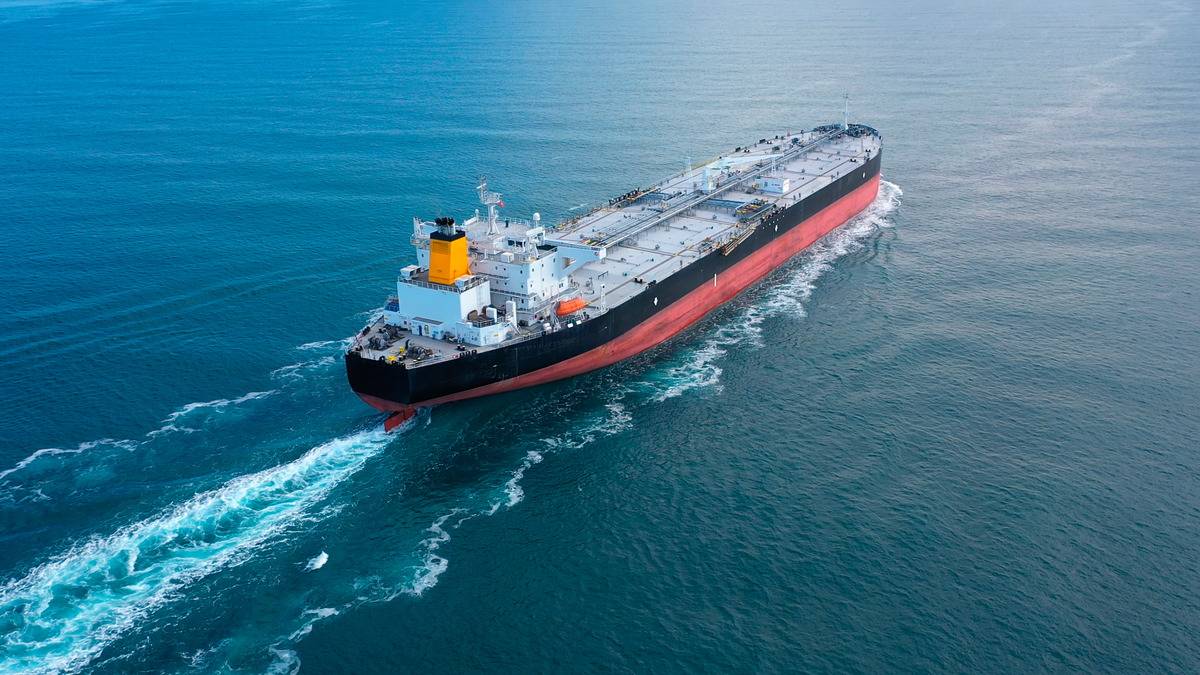
Commodities trader Glencore and Taiwan's state refiner CPC have chartered a tanker each to load Middle Eastern crude for Asia, while vessels in the Gulf are preparing to exit via the Strait of Hormuz, a day after the ceasefire in the U.S.-Iran war.
The two-week truce hinges on letting ships pass through the strait, a chokepoint for about 20% of global oil and liquefied natural gas (LNG) shipments brought to a near standstill by the six-week conflict, sharply driving up global energy prices.
Asian refiners rely on the Middle East for more than half their supply of crude and naphtha, feedstocks for fuel and petrochemical production.
Countries have released strategic crude stockpiles, beefed up subsidies and banned fuel exports to make good the loss of supply from the war.
Taiwan Economy Minister Kung Ming-hsin told reporters on Thursday that state-owned refiner CPC had booked one tanker in the Gulf to bring some 2 million barrels of oil.
"If passage is possible within the next two weeks or so, it can come over," he said.
"With these 2 million barrels, given that we use an average of about 150,000 barrels per day, this can provide an additional half month or more of usage. So this will help ease ... the situation."
Rush to Book Tankers
Refiners, energy majors and trading firms rushed on Wednesday to book tankers to load Middle Eastern crude for Asia, hours after news of the ceasefire.
Glencore chartered the Asian Lion, a very large crude carrier (VLCC) capable of holding 2 million barrels of oil, at W580 on the Worldscale industry measure used to calculate freight rates, according to a shipping source and LSEG data. Glencore declined to comment.
The ship's demurrage fee is $580,000 a day, the source said. Demurrage is a charge paid to the ship owner if a vessel exceeds the time agreed for loading and unloading a cargo.
The tanker is heading to the Middle East, LSEG data showed.
Middle East oil producers such as Iraq are ready to restore crude exports once the Strait reopens.
Spot VLCC shipping rates on the route, more commonly known as TD3C DFRT-ME-CN, have more than doubled from W230 on February 27, before the war started, LSEG data showed.
A Singapore-based trader said tanker rates are expected to stay elevated due to a surge in demand and war risk premiums for ships entering the Gulf, while fewer vessels were available, as many were ballasting to the Americas to load cargoes.
Chinese, Indian Vessels Anchor Near Hormuz
Tankers inside the Gulf are preparing to exit.
Two China-flagged VLCCs He Rong Hai and Cospearl Lake headed closer to the Strait on Thursday, shipping data on LSEG showed.
They were among vessels such as the China-flagged Yuan Hua Hu, the India-flagged Desh Vibhor, Desh Suraksha, Desh Vaibhav, and Sanmar Herald, carrying crude for state energy majors, which have updated AIS data on respective nations and native crews.
Several tankers also called at the United Arab Emirates' port of Zirku late on Wednesday and early Thursday to top up with Upper Zakum crude, the data showed.
Still, some shippers voiced concern on Wednesday, calling for greater clarity on the terms of the U.S.-Iran ceasefire before resuming transit through the Strait of Hormuz, as Iran said it remained closed to vessels sailing without a permit.
Iran's Revolutionary Guards navy posted a map of alternative shipping routes in the Strait of Hormuz to help transiting ships avoid naval mines, the semi-official news agency ISNA said on Thursday.
(Reuters - Reporting by Florence Tan and Siyi Liu in Singapore and Ben Blanchard in Taipei; Editing by Christian Schmollinger and Clarence Fernandez)


