

Hydrogen Ship Fuel Requires Design-Based Safety Measures, DNV Study Finds
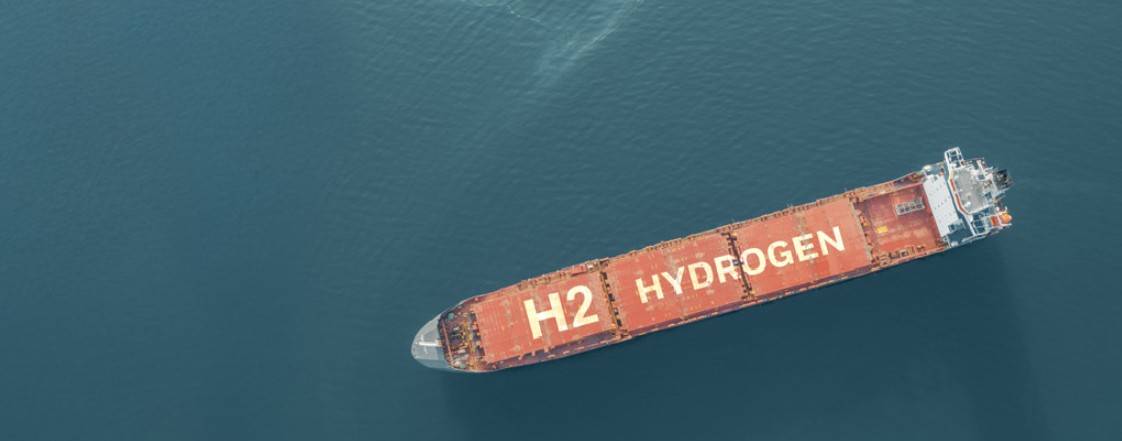
DNV has completed a multi-year study commissioned by the European Maritime Safety Agency (EMSA) examining the safety implications of using hydrogen as a fuel in ships.
The study, titled Safety of hydrogen for use in ships, concludes that hydrogen-fuelled vessels require a design-based safety approach and recommends the use of secondary enclosures across all hydrogen-carrying components, including those located on open deck.
Hydrogen is increasingly being considered as a potential marine fuel, although broader adoption is expected to take time. According to the study, the hazards associated with hydrogen differ from those of other alternative marine fuels such as LNG.
Even small leaks can rapidly create ignitable gas clouds, and hydrogen’s low ignition energy and difficulties associated with leak detection increase the risk of explosions. The study therefore recommends additional onboard technical barriers, particularly relating to leakage management and protection systems.
“Hydrogen has a viable path as ship fuel but carries safety risks. As new fuel technologies develop, robust safety principles must be built in from the outset. That requires new thinking, early-stage integration, and close collaboration across the value chain, while keeping seafarer safety firmly at the center,” said Cristina Saenz de Santa Maria, Interim CEO Maritime at DNV.
The study also highlights occupational safety risks for crews. Hydrogen’s high flammability and the low temperatures required for storing liquefied hydrogen introduce new operational hazards for seafarers.
As a result, crews must be trained to identify hydrogen-specific risks and understand how to mitigate them. The report recommends clear operational procedures and safety management systems, supported by organizational safety culture and human factors.
“The study concludes that safety for hydrogen-fuelled ships must be based on technical safety barriers, with robust containment, secondary enclosures, and automated protection systems forming the first line of defense. This reflects both the speed at which hydrogen incidents can escalate and the limitations of detection and response once a release has occurred, particularly in complex maritime environments,” added Linda Hammer, Principal Consultant at DNV and lead author of the study.


