

Meyer Werft's "Vision": A Battery-Electric Cruise Ship Concept


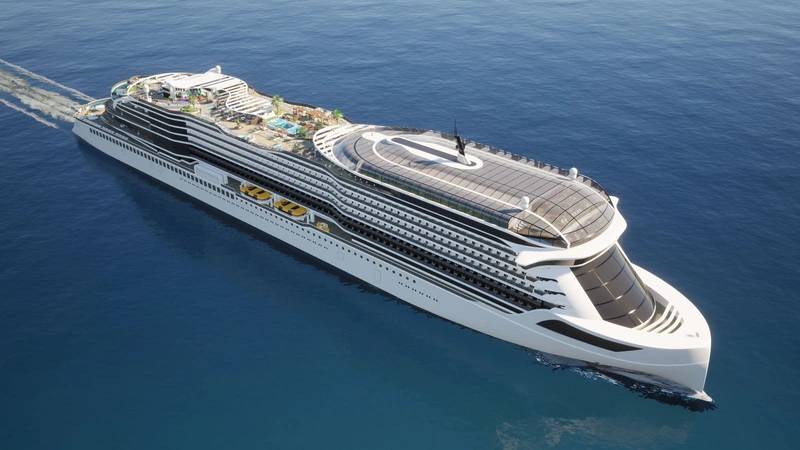 German shipbuilder Meyer Werft has introduced a concept for what it says would be the world’s first fully battery-electric cruise ship exceeding 80,000 gross tons, signaling a bold step forward in the industry’s push toward decarbonization. Image courtesy Meyer Werft
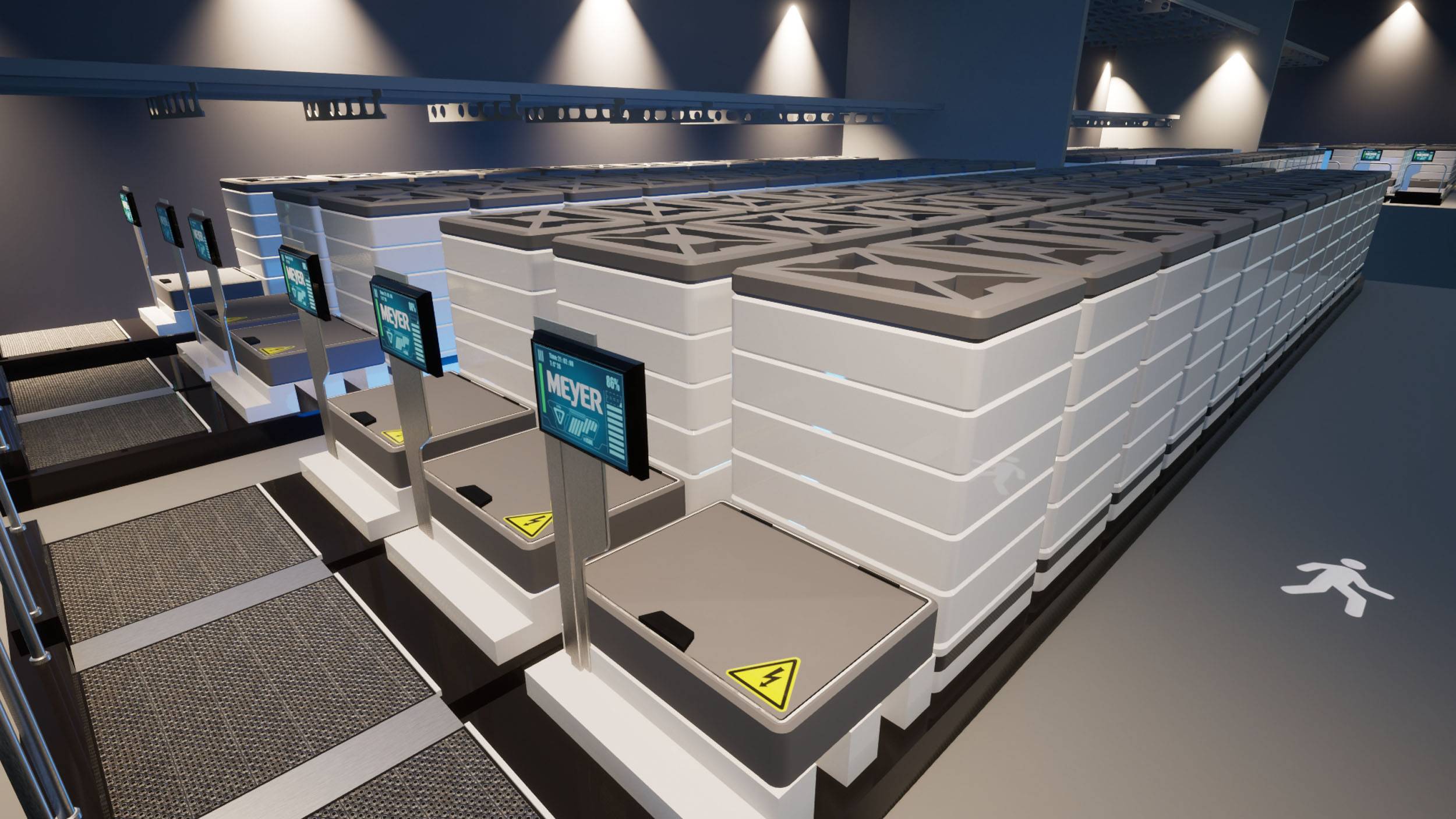
 Norway-based Corvus Energy has been selected to supply the battery system for Vision. Image courtesy Meyer Werft
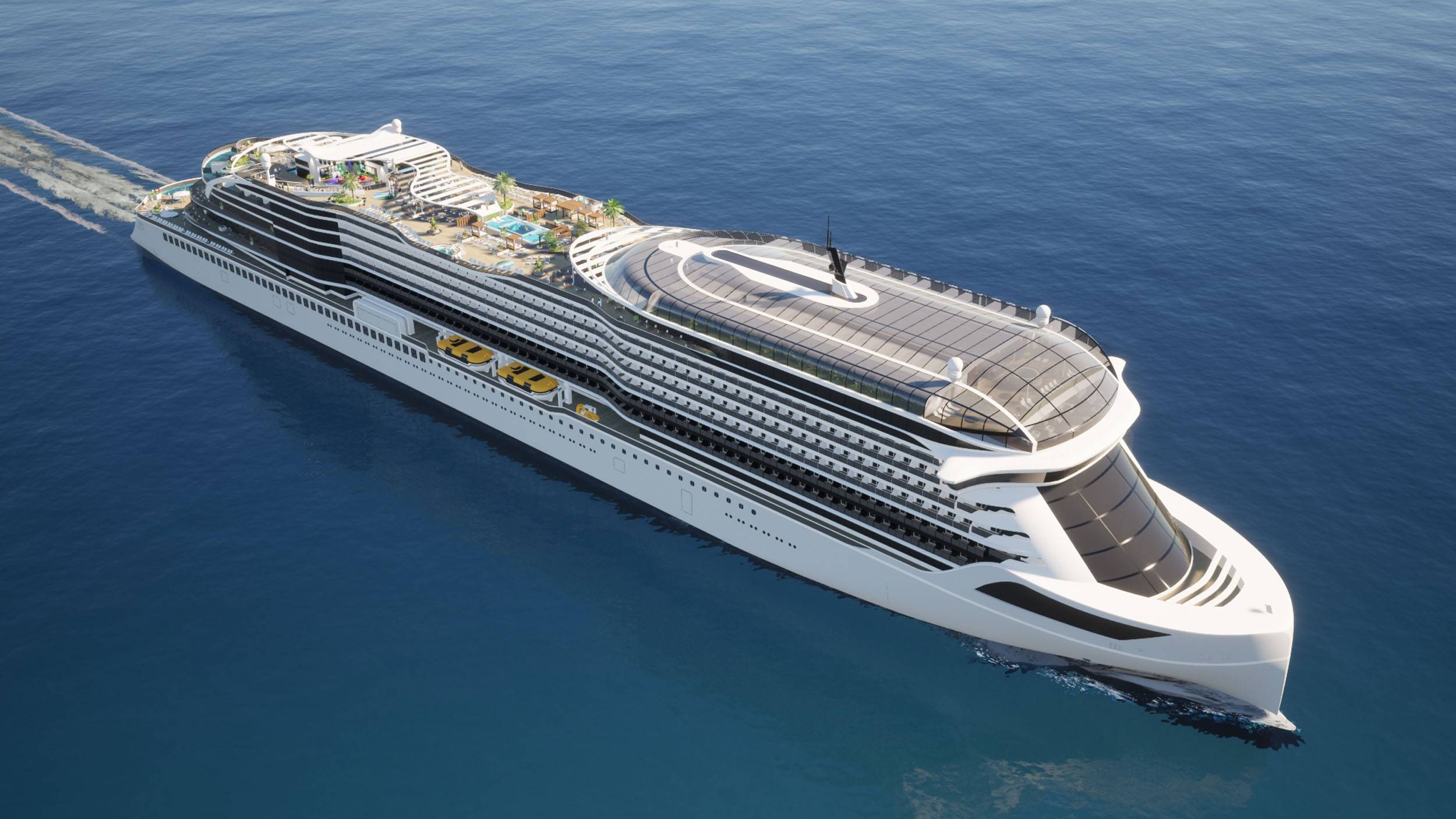
German shipbuilder Meyer Werft has introduced a concept for what it says would be the world’s first fully battery-electric cruise ship exceeding 80,000 gross tons, signaling a bold step forward in the industry’s push toward decarbonization.
The concept, dubbed “Vision,” was unveiled at Seatrade Cruise Global in Miami. According to the yard, the 275-meter vessel would accommodate 1,856 passengers and deliver up to a 95% reduction in greenhouse gas emissions compared to conventional cruise ships.
The design leans heavily on existing battery technology rather than speculative future solutions. Norway-based Corvus Energy has been selected to supply the battery system, a partner with a strong track record in hybrid and fully electric maritime applications.
Meyer Werft executives emphasized that the concept is not a distant ambition but a near-term possibility. If ordered within the year, the vessel could be delivered as early as 2031.
From an operational standpoint, the concept targets short- to medium-range cruise itineraries. The company said a majority of European routes—including high-traffic corridors such as Barcelona to Civitavecchia—would be achievable on battery power alone. By the end of the decade, more than 100 European ports are expected to offer the charging infrastructure required to support such vessels.
For longer voyages, including transatlantic crossings, the design can be adapted to a hybrid configuration with auxiliary generators.
Beyond propulsion, Vision reflects a rethink of cruise ship architecture. The absence of conventional exhaust systems eliminates the need for a funnel and internal exhaust shafts, freeing up deck space and enabling redesigned open areas with uninterrupted views. The concept also incorporates enclosed, weather-protected spaces, including an indoor aqua park, positioning the vessel as an all-weather platform.
The shift to full electric propulsion also promises operational benefits onboard. With no main engines, noise and vibration levels would be significantly reduced, enhancing passenger comfort—an increasingly important differentiator in the cruise market.
While still at the concept stage, Meyer Werft’s Vision underscores a growing confidence that battery-electric propulsion can scale beyond ferries and short-sea vessels into larger passenger ships. The remaining challenge will be aligning vessel design with port-side charging infrastructure and evolving regulatory frameworks.
Still, the message from the German builder is clear: the technology is ready, and the timeline is closer than many in the industry may have expected.


