

Pilbara Ports Signs Ammonia Bunkering MoU
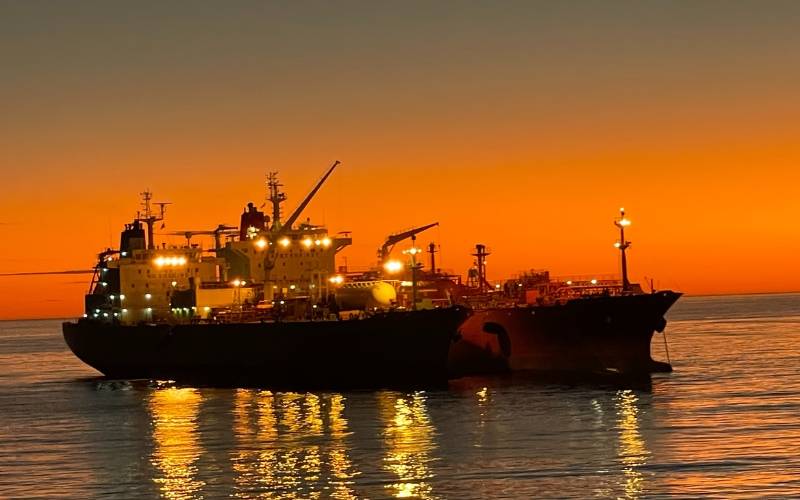
Australia’s Pilbara Ports has taken a step further towards development of a low-carbon ammonia bunkering hub in the Pilbara by signing a Memorandum of Understanding (MoU) with Yara Pilbara.
The Yara Pilbara plant is one of the largest ammonia production facilities in the world, utilising world-class export infrastructure in the Port of Dampier.
The MoU advances the Pilbara Clean Fuel Bunkering Initiative as the two organisations have agreed to work collaboratively on government and stakeholder advocacy, developing a training program in safe ammonia handling, and in the planning of necessary fuelling infrastructure at Dampier and Port Hedland ports.
Pilbara Ports Chief Executive Officer Samuel McSkimming said: "The green iron corridor between the Pilbara and East Asia has the scale, stable demand, port infrastructure, and risk management experience to support the significant investment that maritime decarbonization requires, while the Pilbara has the renewable energy resources, carbon capture and storage potential, and ammonia-based industry to lead in green fuel production."
Currently, ships do not generally bunker in the Pilbara, instead taking on heavy fuel oil elsewhere for their entire outward-bound and return voyages.
Launched last year, the Pilbara Clean Fuel Bunkering Hub outlines a strategic approach to establish a clean fuel bunkering hub in the region, enabling the use of alternative fuels such as ammonia. One successful bunkering trial has already taken place and another is set to occur in the Port of Port Hedland later this year.
The first of its type in Australia, the bunkering hub would support decarbonisation efforts across the shipping, resource and maritime sectors, in line with the State Government’s 2050 emissions reduction target.
Pilbara Ports goal is for 100% of bulk export vessels departing the Pilbara to be powered by low carbon fuels.


