

Security & Rescue Training Center for Law Enforcement, EMS, Commercial and Military Set to Open in 2028


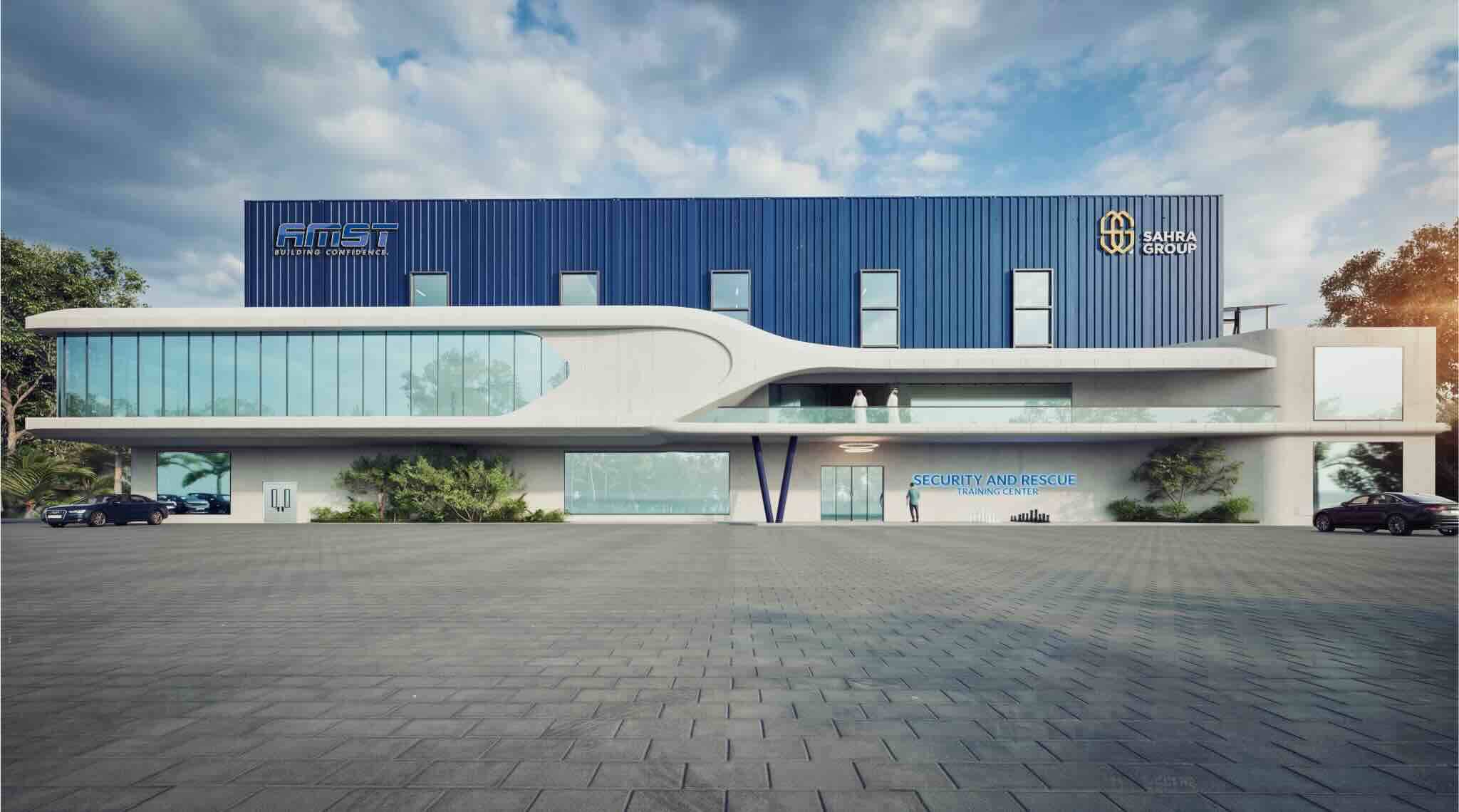
A new multi-million dollar Security and Rescue Training Center (SRTC), the first commercial facility of its kind in the world, is set to be built in the United Arab Emirates (UAE). It will serve as a regional hub for advanced, first-class, certified mission-based training for Helicopter Emergency Medical Services (HEMS), law enforcement, special forces, and commercial enterprises across the world.
Created by investment firm Sahra Group, the facility, opening in 2028, will be constructed and operated in partnership with leader in solutions for aircrew training and simulation, AMST Group.
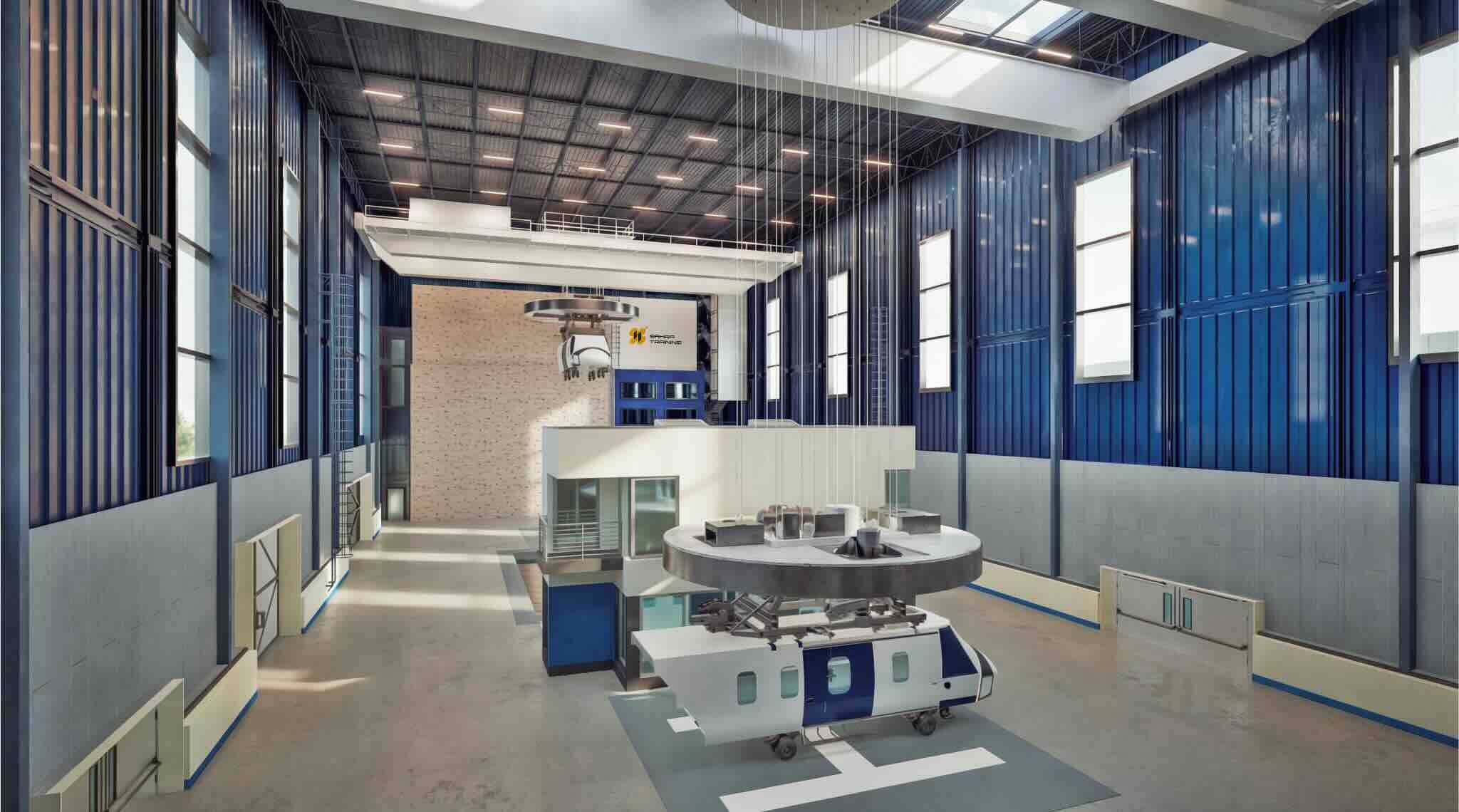
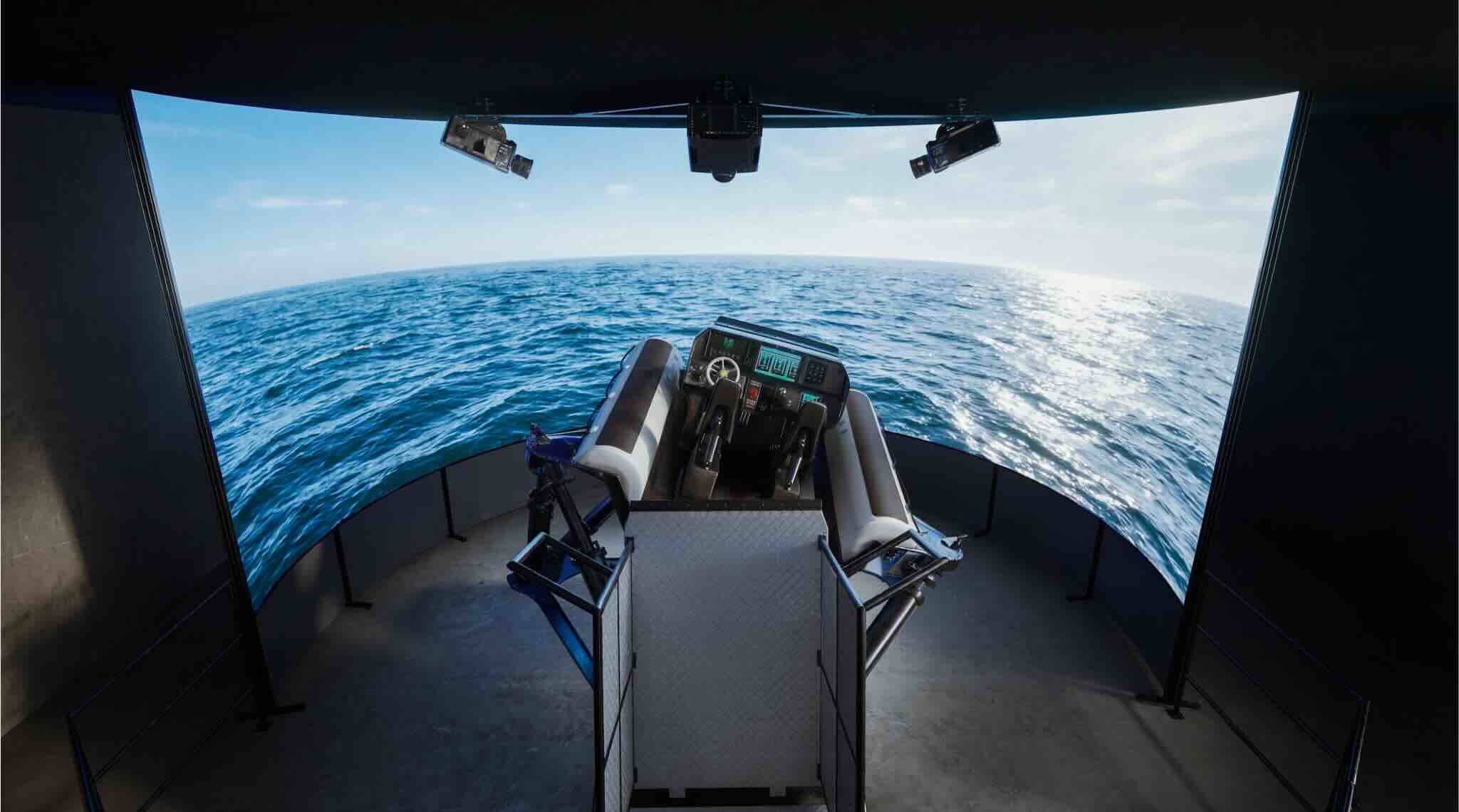
The SRTC will be the only commercial capability in the world to combine high-fidelity simulation environments for Helicopter Emergency Response and OPITO Training, including helicopter hoist systems, fast roping and rappelling towers, Helicopter Underwater Egress Trainers (HUET), and maritime vessel simulators to enable safe, realistic training for high-risk scenarios that cannot be safely and efficiently replicated in live training. It will enable 24/7 training for medical emergency response, water rescues, rescue in natural disasters, special forces and counter-terrorism operations as well as high-speed boat operations. SRTC will provide a full service offering for all disciplines.
The center will house helicopter simulators suspended on cranes that fly in the facility, as well as fast vessel simulators and a water pool for rescue and emergency egress in water to mimic real world rescue and mission scenarios. As well as freeing-up real, physical assets for operational use, these training programs can be completed at a fraction of the cost of live training. Training will incorporate realistic environmental challenges including darkness, rotor downwash and high noise levels, ensuring teams are fully prepared for the pressures of live-saving missions.
With an investment of USD$50 million (AED 180 million), the facility has capacity to train up to 4,500 personnel annually across Police, Coast Guard, Civil Defense, Medical Service, Fire Service, Army, Navy and Special Forces, as well as commercial customers from the tourism, oil, gas and energy sectors. The center will also play an important part in disaster management, as helicopters are instrumental in first response. It will be a regional center of excellence and a critical piece of safety and operational infrastructure for the UAE and wider MENA region.
Currently, most rescue missions, military operations, and industrial tasks must be carried out under tight time constraints, often in harsh weather, and intensely stressful conditions, placing aircrew and operational teams at significant risk. While helicopters are involved in over 1,000 rescues each year, traditional training using them is often costly, time-consuming, weather-dependent, and inherently dangerous when conducted in real-world conditions. Synthetic training increases training efficiency significantly, as trainees can typically gather 10 times the experience in simulation compared to live helicopter training.
SRTC overcomes those challenges, providing a controlled environment where teams can train safely, efficiently, and cost-effectively to a superior standard, with refresher courses accessible every year. Teams using the center can save thousands in costs by switching from real helicopters in training scenarios, which often cost up to USD$10,000 per hour to hire, fuel and operate. The helicopter simulators in the SRTC will run at a fraction of the cost and are considerably more sustainable, cutting CO₂ emissions per hour by over 99% compared to real helicopter flight.
The center will also uniquely support helicopter-assisted and water-based industrial and infrastructure missions, including maintenance and repair work on electrical power lines, wind turbines, cranes, telecommunications equipment and offshore oil and gas installations.
Sahra Group and AMST have begun the process, with completion and official opening scheduled for the first half of 2028.


