

Study From Orca AI, NorthStandard Highlights Role of of AI on Navigational Safety


 © Orca AI
 © Orca AI
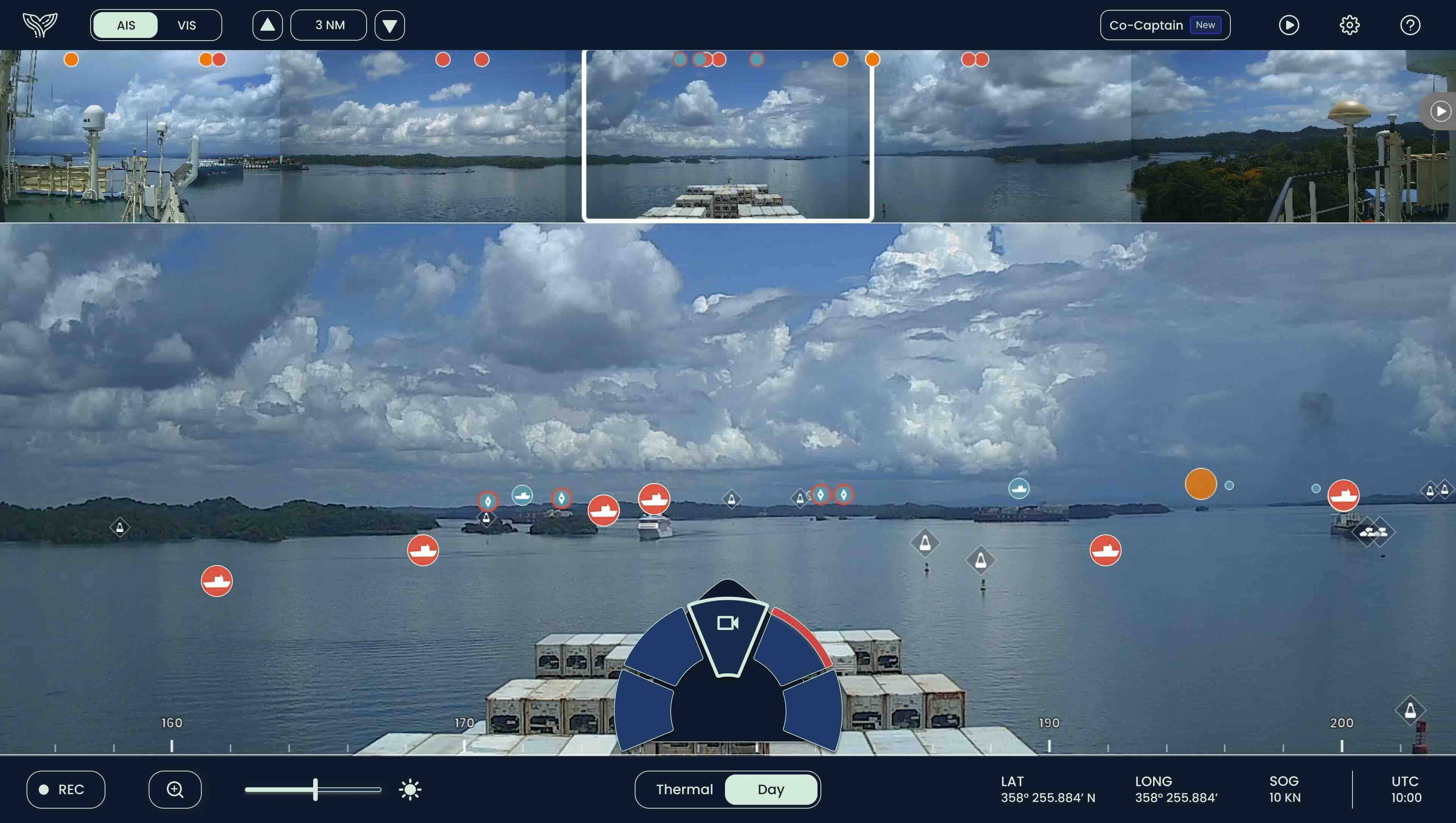
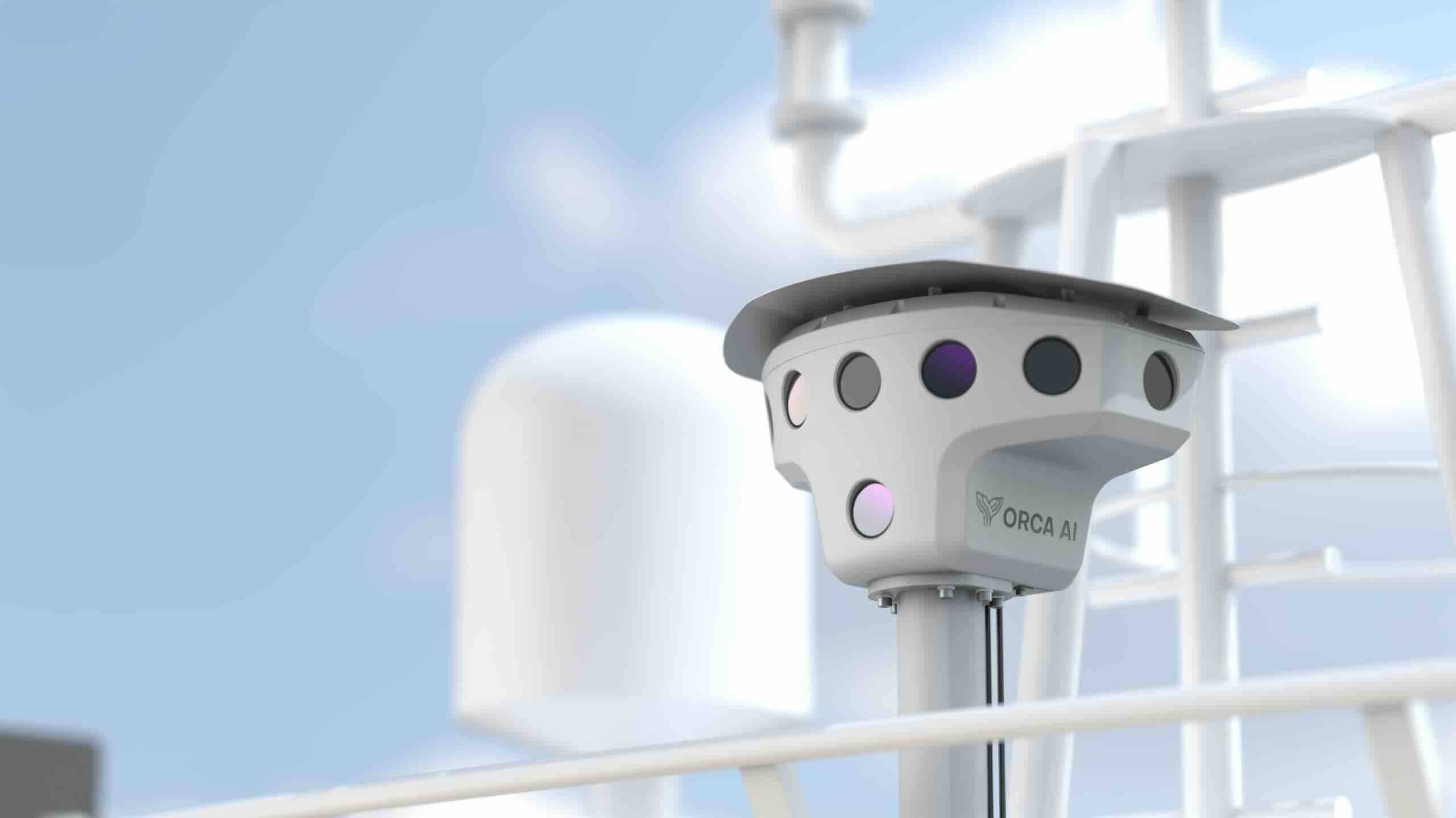
A large-scale operational study conducted jointly by Orca AI and leading P&I club NorthStandard marks the first time an AI navigation provider and marine insurer have combined large-scale operational data to quantify the real-world impact of AI on navigational safety.
Based on data from a globally operating cohort of 139 vessels, the study found that deployment of Orca AI’s platform resulted in a 52% reduction in high-severity close encounters over 12 months, with an initial 22% reduction achieved within the first six months.
The study examined more than 10.8 million nautical miles of voyages, comparing the initial system adaptation period (first three months after installation) with the stabilized usage phase (months 10–12). The primary safety metric was the incidence of high-severity close encounters, defined using objective parameters including Closest Point of Approach (CPA), Time to Closest Point of Approach (TCPA), COLREGs interactions, and traffic density.
Improvements were consistent across vessel ages, underscoring that AI-enhanced situational awareness can strengthen safety performance regardless of legacy bridge systems.
The report found increased adherence to SMS protocols in open waters, mirrored by measurable reductions in high-severity close encounters across congested shipping corridors, including the North and Baltic Seas (36%) and the China Sea and Japan Sea (18%).
In these congested areas, the analysis also identified a clear shift toward more proactive behavior, reflected in higher usage of the Orca AI platform. Crews relied more heavily on the system in environments with the highest navigational complexity, where bridge teams manage dense traffic, multiple contacts, and limited decision time.
In such conditions, AI decision support plays a critical role in enabling safe and timely decision-making. The findings show that crews actively use AI-assisted situational awareness to manage multiple contacts, prioritize risk, and maintain awareness in rapidly developing situations.
This combination of improved outcomes and increased usage demonstrates that AI is not only effective, but operationally embedded. Together, these findings suggest that AI is becoming an integral part of bridge operations, supporting more consistent, proactive decision-making in environments where risk is highest and the margin for error is lowest.


