

Bulk Carriers Vessels - The Workhorses of Maritime Transpor
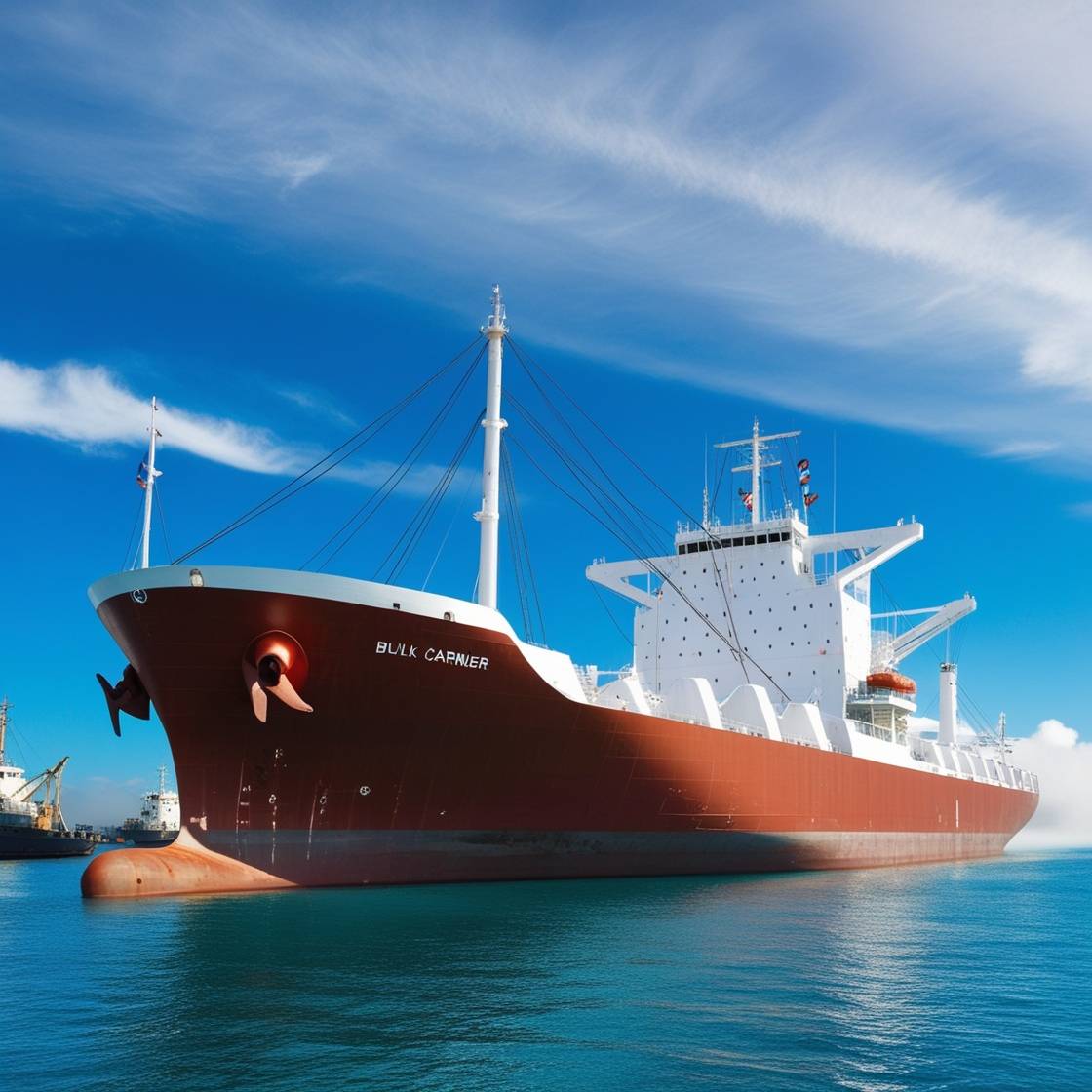
Bulk carriers are vessels that transport bulk cargo, such as coal, ore and cement. Bulk carriers play an important role in the global trade, facilitating the transportation of large quantities essential raw materials for different industries.
History and Development
Bulk carriers were developed in the 19th century, when raw materials became more valuable and the need for an efficient transport system increased. Bulk carriers were originally converted cargo ships. However, as trade grew, new designs evolved to optimize bulk goods handling and transportation.
Bulk carriers have evolved due to advances in shipbuilding technologies, changes in global trading patterns, and a need for more efficiency. Modern bulk carriers are an example of engineering innovation, as they maximize cargo capacity and ensure safety and environmental compliance.
Design and Features
Bulk carriers have large cargo holds, and a simplified structure that allows for the easy loading and unloading bulk materials. The following are key features:
- Holds: Bulk carrier cargo is protected by weather-tight hatches. The size and number of holds are determined by the design of the vessel and its intended cargo.
- Stability and Load Lines These vessels are equipped sophisticated ballast systems that maintain stability, regardless of cargo load.
- Cargo Handling equipment Some bulk carriers have cranes and conveyors to make loading and unloading easier, particularly in ports that lack specialized bulk handling infrastructure.
- Hull Design : The bulk carrier's hull is designed to maximize cargo capacity while maintaining structural integrity even when loaded with dense bulk materials.
Bulk Carriers Types
- Handysize bulk Carriers With a carrying capacity between 10,000 and 35,000 deadweight tonnes (DWT), this vessel is versatile, and can be operated in ports with limited infrastructure.
- Supramax Bulk Carriers : These ships range from 50,000 DWT to 65,000 DWT and strike the right balance between size, operational flexibility and cost.
- Panamax Bulk Carrier: These vessels are designed to fit through the Panama Canal and have a maximum capacity of 80,000 DWT.
- Capesize Bulk Carriers : Too large to pass through the Panama Canal or Suez Canal, Capesize bulk ships, with capacities exceeding 150,000 DWT are typically used on long-haul routes, around the Cape of Good Hope and Cape Horn.
- Very large ore carriers (VLOCs).: These giants are designed to transport iron ore and can carry up 400,000 DWT. They serve major mining areas and industrial centers.
Global Trade: The Role of the United States
Bulk carriers play a vital role in the global supply chains, as they enable the efficient movement and storage of raw materials. Bulk carriers are preferred by industries like steel production, agriculture, and power generation because they can transport large quantities of goods for a relatively low price per unit.
Bulk carriers are essential to the viability of many industries. Without these vessels, transporting iron ore between mines in Brazil and Australia and steel mills located in China and Europe could be more expensive and inefficient.
Environmental Considerations
Bulk carriers, like all other sectors in the shipping industry are subject to increased environmental regulations that aim to reduce their ecological footprint. Bulk carriers are subject to a number of environmental regulations aimed at reducing their ecological footprint.
- Fuel Economy: Modern bulk carriers are designed with engines and hulls that are more fuel efficient to reduce greenhouse gas emission.
- Ballast Water Management To prevent the spread invasive species on bulk carriers, strict regulations must be followed regarding ballast water discharge and treatment.
- Emission Control Technologies Many vessels are equipped to reduce emissions of nitrogen oxides and sulfur oxides.
In addition to the push for greener shipping, research is being conducted on alternative fuels such as LNG and biofuels. Hybrid and fully electric propulsion system are also being developed.
The conclusion of the article is:
Bulk carriers are unsung heroes in maritime transport. They quietly and efficiently move the raw materials which fuel the global economy. They are essential to industries from energy production to agriculture because of their specialized design. Bulk carriers will continue to be at the forefront in efforts to balance environmental sustainability with economic efficiency as the industry evolves. This will ensure their continued importance for global trade.