
Marine Link
Tuesday, March 17, 2026

Shipbuilding / Vessel Construction

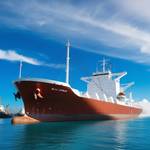
Shipbuilding is the construction of ships, which takes place in a specialized facility known as a shipyard. Shipbuilders, also called shipwrights, are workers which specialize in vessel construction and repair. The construction of boats is called boat building. Due to the smaller size and scope of the vessels being produced, boats do not necessarily require the full services of a shipyard but may be built in a boatyard or even smaller private facility.

Block construction is a modern shipbuilding method which involves the assembly of prefabricated sections. Cross-sections of the superstructure are pre-built in a shipyard, taken to the building dock (or slipway,) and then hoisted into position and attached. Some of the more equipped shipyards are able to build equipment and utilities into the blocks, pre-installing pipes, plumbing, and electrical cables. The more components that can be built into the blocks before final assembly, the less effort required once the hull is welded together.

Since the 40s, modern ships have been made of welded steel. The first ships produced by this method had problems with inadequate fracture toughness, which let to rare but devastating structural cracks. The development of specialized steel in the 50s has largely eliminated the problem of brittle fracture, although there are still instances due to the unregulated use of grade A and B steel. This problem seems to result when steel with unknown toughness or FATT (fracture appearance transition temperature) is used in side shells. Despite these occasional incidents, most problems with brittle fractures seem to have been eliminated my modern methods and regulation.

Depending on design and materials, vessels reach a point in their lifespan where refitting and repair become impractical or impossible. The demolition of ships is called ship breaking- a process designed to allow materials and components to be reused and recycled. Equipment can often be reused in other ships, and metals (particularly steel) are separated for scrap recycling, with the hulls being discarded in ship graveyards.

Tags: shipbuilding Vessel Construction

Participants in the signing ceremony (from left): Hyunjoe Kim (chief research officer, SHI); Kyungwon Bae (manager of Research Planning, SHI), Hala Madanat; Wang Lee; Natasha Bliss (chief of staff, SDSU Division for Research and Innovation), Mark Cafferty; Eugene Olevsky (SDSU dean of engineering). (Photo: Ky Marlin/SDSU)

SDSU, Samsung Heavy Industries Announce New Maritime Center

San Diego State University announced a partnership with Samsung Heavy Industries (SHI)…

Copyright Annabell Gsödl/AdobeStock

German Maritime Industry Calls for Political Action Plan

Germany’s maritime sector is poised for significant growth, but industry leaders…

Source: Mitsubishi Heavy Industries

Mitsubishi Shipbuilding Delivers Training Ship

Mitsubishi Shipbuilding has delivered the Wakashio Maru, a training ship for National…

Credit: GTT

GTT Receives Tank Order from HD KSOE

GTT has received an order from HD Korea Shipbuilding & Offshore Engineering (HD KSOE)…

Source: HII

Union Members Ratify Pay Rise at HII’s Ingalls Shipbuilding

HII has announced that all five collective bargaining units at its Ingalls Shipbuilding…

Source: Grimaldi Group

Grimaldi Takes Delivery of Grande Seoul

The Grimaldi Group has taken delivery of the new PCTC Grande Seoul.Built by Shanghai…

(Credit: Jan De Nul)

Jan De Nul Selects Ulstein Design for New Trenching Vessel

Jan De Nul has selected Ulstein Design & Solutions to provide the vessel design for…

 (L to R): Matthew Mueller, ABS Vice President, Regional Business Development, Hak-mu Shim, HD HSHI Executive Vice President and Byung-hun Kwon, HD KSOE Executive Vice President at signing ceremony for a Joint Development Project (JDP) at the HD Hyundai Global R&D Center (GRC) in Seongnam, Gyeonggi Province. Image courtesy ABS

Nuclear Power for Commercial Vessels Central to ABS, HD Hyundai JDP

ABS, HD Korea Shipbuilding & Offshore Engineering (HD KSOE) and HD Hyundai Samho…

Photo courtesy of Asia Pacific Maritime

Shipowners to Lead Maritime Transformation Talks at APM 2026

The transition towards digitalisation and automation is speeding up in the maritime industry…

Image link: https://www.marinelink.com/news/ai-goes-subsea-autonomous-welding-robot-534165

Cobots Take on Grueling Work

In the February issue of Maritime Reporter magazine Nirav Patel, Nuclear Navy Segment…

© HII

Keel of USS Philadelphia Authenticated by HII’s Ingalls Shipbuilding

Ingalls Shipbuilding division authenticated the keel  for the future USS Philadelphia (LPD 32)…

© Damen Shipyards Group

Damen to Serve as Partner for Construction of LST 100 Vessels for the Australian Army

On Friday, 20 February, Austal Defence Australia and Damen Shipyards Group signed…

Related Articles

Maritime Standards

All nations require certain standards be met by ships and other marine structures which fly their flag. A classification society, or "Class", is a non-governmental regulatory association which regulates construction of vessels and offshore structures in the maritime industry.

This week’s key shipbuilding industry updates

U.S. Rebuilding Shipbuilding Industry with Policy and InvestmentThe U.S. government is launching a new era for shipbuilding, with a focus on industrial base renewal, national security, and economic growth. Key developments include:The establishment…

Blockchain in Shipping: Revolutionizing Global Supply Chains

Blockchain technology, initially developed as the backbone of cryptocurrencies like Bitcoin, is now making waves in the shipping industry. With its ability to provide secure, transparent, and tamper-proof records, blockchain is poised to revolutionize global supply chains, addressing some of the most persistent challenges in maritime logistics, including inefficiencies, fraud, and lack of transparency.

Ship Simulators

A ship simulator is an advanced training device; an electronic or mechanical system used to expose vessel operators and crew members to typical shipboard conditions and systems. Simulation training is not a substitute for the experience of training on an actual vessel…

Armed Robbery at Sea: Navigating The High Seas of Crime

The vast, open oceans have long served as conduits for commerce, adventure, and exploration. However, along with the grandeur of maritime activities comes inherent risks, one of which is the specter of armed robbery at sea. Also known broadly as maritime piracy, this menacing threat envelops not just the economic marine highway but also the lives and safety of those who navigate it.

Subscribe for
Maritime Reporter E-News

Maritime Reporter E-News is the maritime industry's largest circulation and most authoritative ENews Service, delivered to your Email five times per week