
The Importance of Methane Number for Marine Engines

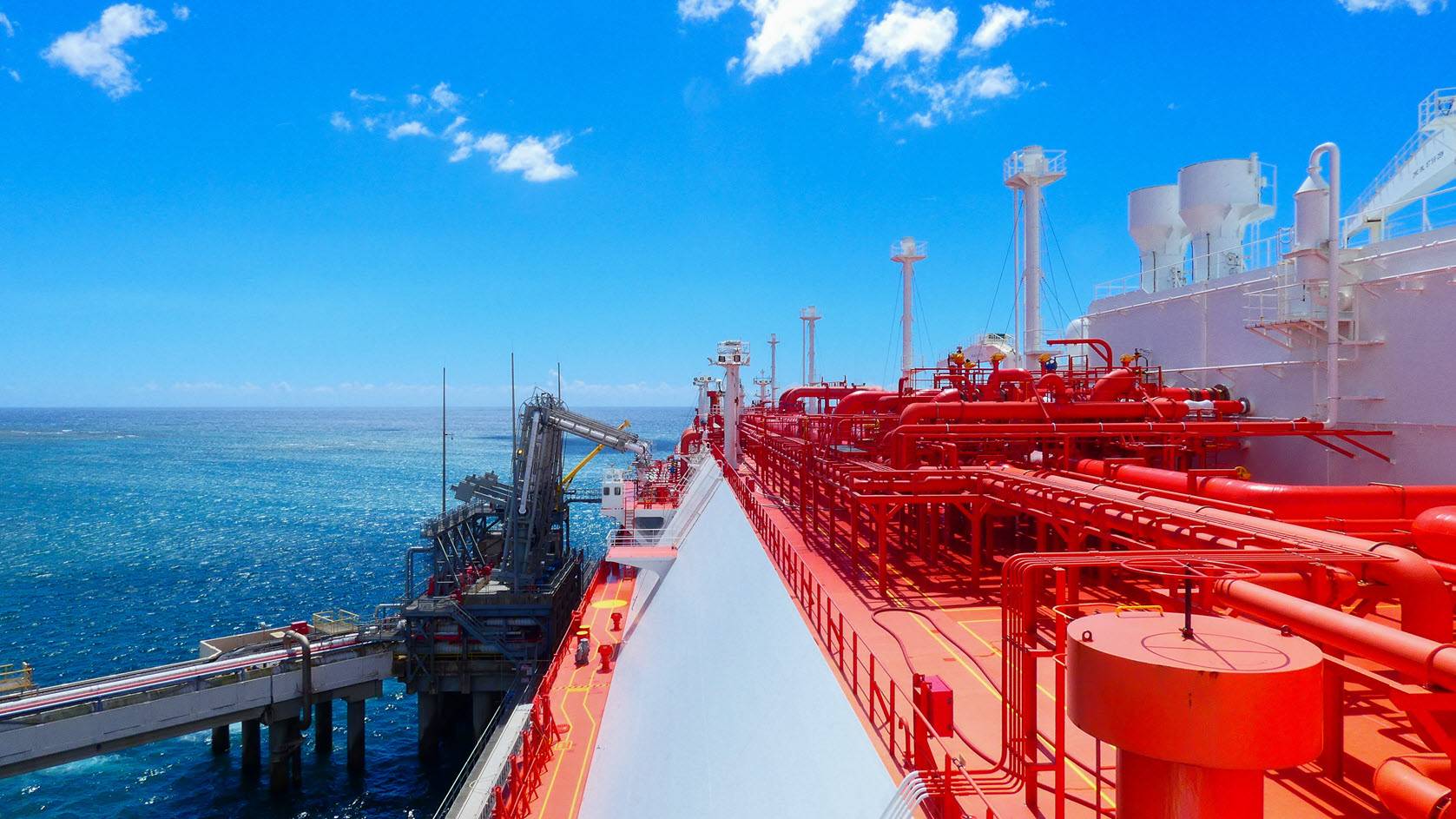
The current standards for LNG for marine use (ISO 23306:2020) don’t define limits for Methane Number even though it is an important fuel characteristic that can vary with fuel source and the addition of bioLNG into fuel blends.
Power generation organization CIMAC’s Working Group 17 says Methane Number is like the Octane Number of gasoline in that it is a measure of the fuel’s resistance to auto-ignition or engine knock.
In diesel engine combustion, gaseous fuel in the cylinder is put under high temperature and pressure as the flame front advances. At a critical level, it will auto-ignite, causing a very rapid release of the chemical energy of the fuel. This is known as knocking as it causes ringing or a knocking sound.
Engines are typically tuned for the lowest Methane Number fuel they are expected to be operated on. For Western engines, that is typically 70-80; for Japan it is around 65.
Pure methane has a Methane Number of 100, and hydrogen has a Methane Number of zero. LNG mostly consists of methane but can also contain nitrogen and longer-chain hydrocarbons which reduce Methane Number. Boil-off gas from methane cargo, often used for fuel on LNG carriers, can have a Methane Number close to 100, higher than the LNG in the vessel’s cargo tanks. This is typically between 70 and 80, depending on its origin and liquefaction processing.
If the fuel is below the engine manufacturer’s intended minimum, it can degrade engine performance and increase emission levels. It can cause dangerously slow transient performance, and in the worst case, the engine will only be able to operate at a steady load that is a fraction of its full rated power.
This week, CIMAC Working Group 17 released the “CIMAC Guideline Impact of Gas Quality on Gas Engine Performance” highlighting the group’s position on how Methane Number should be regulated. Recommendations include:
• Methane Number should be close to 80 or higher for highest efficiency and lowest GHG emissions
• For the existing fleet, Methane Number must be maintained near the historical value as this will be the design point of the engines in most cases
• Specification of Methane Number requirements should always be accompanied by a reference to the calculation method used.
Meanwhile engine and emissions abatement developments for LNG continue. This week, engine developer WinGD joined the Methane Abatement in Maritime Innovation Initiative (MAMII), becoming the first engine developer to become a partner in the growing cross-sector push to better understand and address methane from LNG-fueled ships.
Also this week, WinGD and marine engine manufacturer Hanwha Engine announced the world's first X72DF-2.2 VCR engine equipped with Variable Compression Ratio technology. This low-emission engine technology, developed by WinGD for ships using both LNG and diesel fuel, maximizes fuel efficiency and reduces methane slip which means vessels can operate more cleanly and cost-effectively, ensuring compliance with stricter emissions regulations.
Late last month, independent research and energy intelligence firm Rystad Energy published the results of a study on the GHG emissions from the LNG bunker supply chain, commissioned by SEA-LNG. The study concludes that regulations should incentivise participants in the LNG bunker supply chain to continue reducing GHG emissions, particularly in relation to natural gas production and liquefaction. Policy makers should introduce a process to regularly update well-to-tank default emissions factors used in regulation, particularly those relating to methane emissions.