

Inmarsat Launches I-6 F1, Latest Tech Communication Satellite
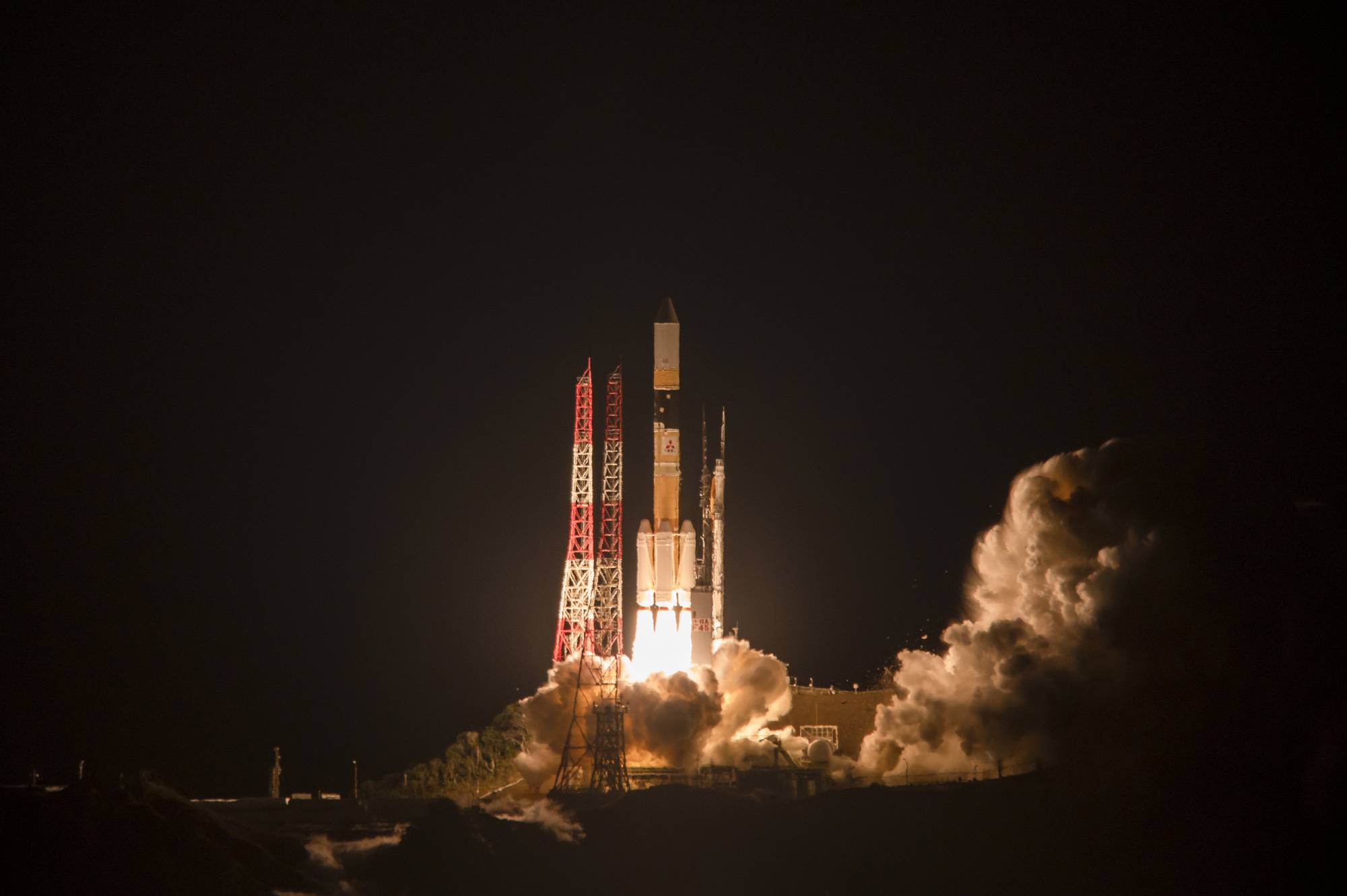
With a rapid evolution of communication connectitivity need, Inmarsat launched I-6 F1, the first of seven new Inmarsat satellites to be launched by 2024, a key piece of the satcom giant's platform to deliver enhanced ELERA (L-band) and Global Xpress (Ka-band) for Indo-Pacific.
Inmarsat confirmed the successful launch of its first Inmarsat-6 satellite (I-6 F1) by Mitsubishi Heavy Industries (MHI) from the JAXA Tanegashima Space Center in Japan.
The Inmarsat-6s (I-6) are Inmarsat’s first ever hybrid L- and Ka-band satellites, incorporating increased capacity and new technological advances for ELERA’s transformational L-band services alongside additional Global Xpress (GX) high-speed broadband capacity. Adding to an existing global fleet of 14 geostationary satellites they extend Inmarsat’s commitment to mission critical services while enabling a new generation of pioneering technologies to connect and sustain the world. This launch is the first of seven planned for Inmarsat by 2024 in the company’s fully-funded technology roadmap.
The I-6 F1 is comparable in size to a London double-decker bus, with a deployed solar arrays ‘wingspan’ similar to a Boeing 767 and a 9m wide L-band reflector that will be deployed over the coming days. The satellite will then be raised to geostationary orbit (GEO) approximately 36,000km (~22,500 miles) above the Earth via its all-electric propulsion system and then undergo a thorough and extensive testing programme. I-6 F1 will enter service in 2023. Ground stations in Western Australia will support I-6 F1.
The new capabilities from the I-6s are designed to deliver greater capacity and coverage, greater speeds and a greater portfolio of innovative connectivity solutions for ELERA and Global Xpress (GX) networks. The I-6 satellites, like all Inmarsat ELERA and GX spacecraft, are backward-compatible with existing terminals, ensuring that current and future customers will continue to benefit from new advances.
- Listen to Ronald Spithout, President, Inmarsat Maritime, discuss the I-6 and it's role in paving "The Satcom Highway to Enable Maritime Digitalization & IoT Solutions" in a recent interview with Maritime Reporter TV:


