
Sentinel Midstream to Begin Building Texas Deepwater Oil Export Port
Oil transportation and storage company Sentinel Midstream said on Tuesday it would immediately begin construction of its deepwater oil export project off the Texas coast, marking the first development of a large-scale export project in the United States in years.
Sentinel expects to begin commercial operations of the Texas GulfLink system by the fourth quarter of 2028, said Bruce Heine, the company's senior VP for public affairs, adding the company will begin excavation activities soon and commit to acquiring equipment that has a long-lead time.
Construction of the project commences at a time when the United States has become a net exporter of crude oil for the first time since World War Two as the war in Iran has increased European and Asian demand for American oil.
U.S. President Donald Trump vowed last year to accelerate approvals of energy infrastructure projects to bolster the oil and gas industry and expand the country's production.
Sentinel's Texas GulfLink project was issued a license, a major step in the permitting process, in February. The Trump administration also said then that Japan would invest in the $2.1 billion Texas GulfLink facility.
Sentinel will lead the development of Texas GulfLink, overseeing construction, commercial operations, and long-term management of the terminal, the Dallas-based company said in a statement, adding that the funding provided under the U.S.-Japan Trade Agreement underscores continued international confidence in U.S. energy infrastructure and supports the expansion of American crude oil exports to global markets.
The offshore project, set to be situated about 30 miles off Freeport, Texas, aims to be able to fully load a supertanker with about 2 million barrels of oil in a day.
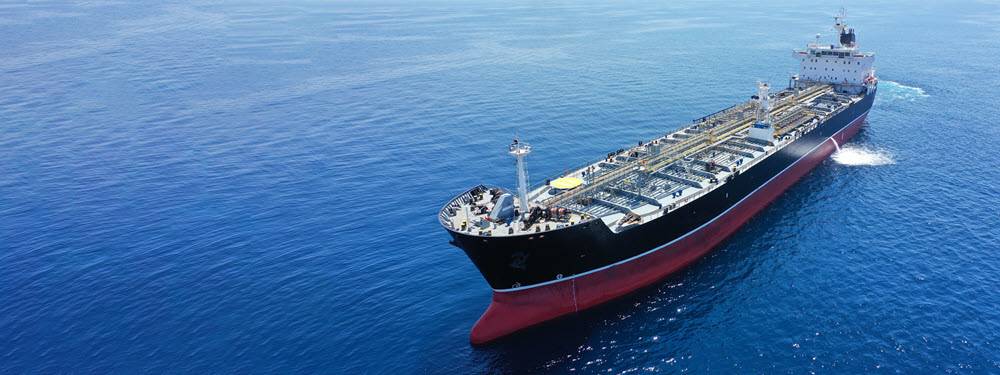
Currently only one U.S. port, the Louisiana Offshore Oil Port, can fully load supertankers. Other facilities can only load a supertanker partially, requiring them to use smaller ships to ferry crude to the larger vessel to fill it, adding to shipping costs.
The last proposed U.S. deepwater project - Enterprise Products Partners' EPD.N Sea Port Oil Terminal (SPOT) - stalled last year as it did not receive enough customer interest.
Enterprise had blamed regulatory delays under the previous Biden administration and a shift in global oil flows after Russia's invasion of Ukraine, which pushed U.S. vessels more to Europe instead of Asia, which were primarily geared to using supertankers that would load at these deepwater ports.
However, the recent war in Iran has starved Asian oil companies of oil from the Middle East, forcing them to turn to U.S. crude. U.S. exports of oil to Asia touched a record 2.31 million barrels per day in April, and overtook shipments to Europe.
(Reuters - Reporting by Arathy Somasekhar in Houston, Vallari Srivastava in Bengaluru; Editing by Sahal Muhammed and Franklin Paul)