

Shipbuilding Played An Important Role in 15% Tariff onSouth Korea
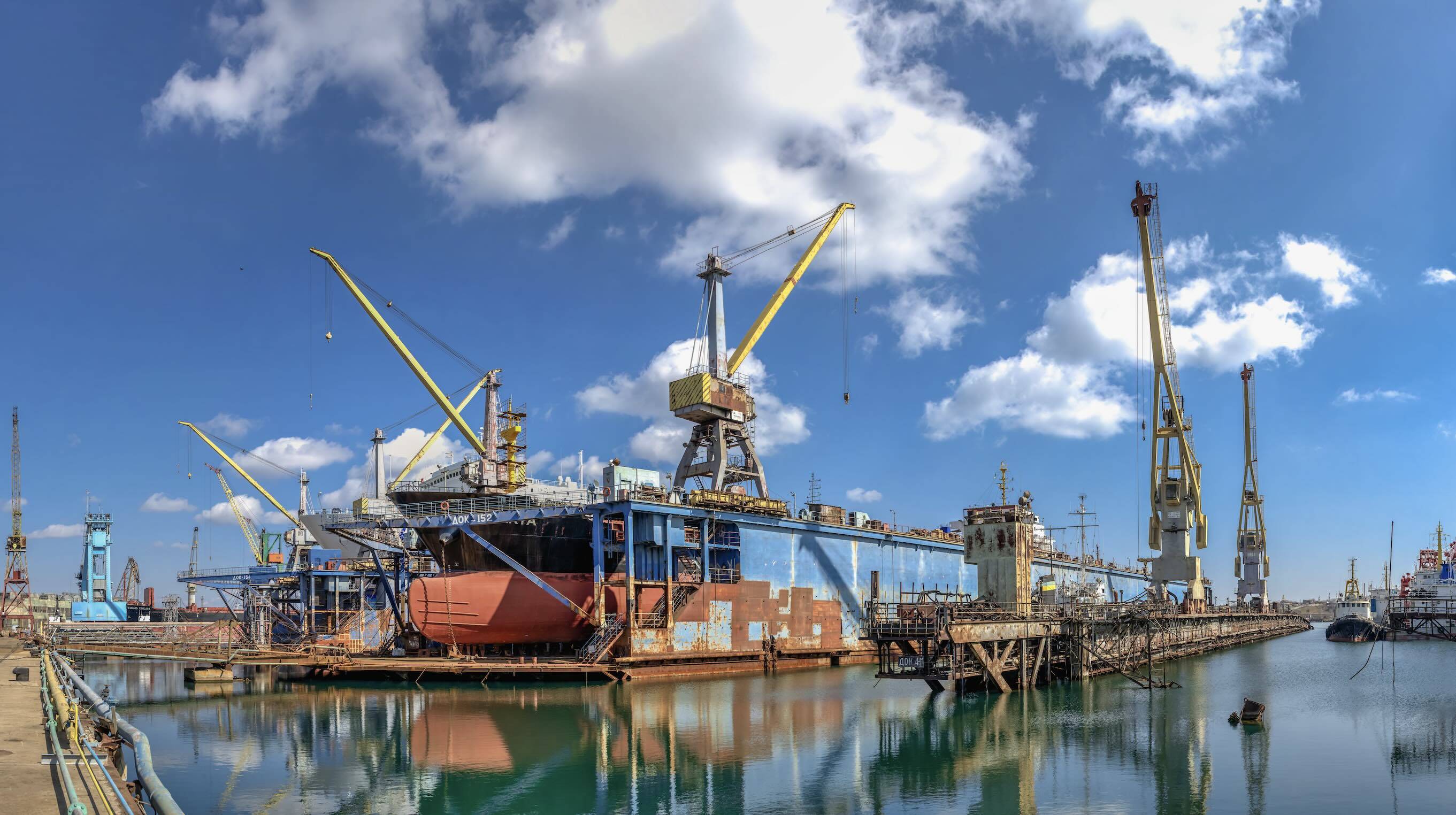
South Korea's shipbuilding industry played "the most important role" in securing an agreement with the U.S. on tariffs, an analyst said on Thursday (July 31).
President Donald Trump said on Wednesday (July 30) the U.S. will charge a 15% tariff on imports from South Korea, down from a threatened 25%, as part of a deal that eases tensions with a top-10 trading partner and key Asian ally.
“The shipbuilding sector is exactly the area where South Korea and the U.S. can cooperate the most, and where South Korea can help the United States most," Kim Dae-jong, professor at school of business in Sejong University, told Reuters.
To seek better tariff terms, South Korean officials had sought to woo Trump with a shipbuilding tie-up including repairing the U.S. navy fleet, as Washington struggles to keep up with China's huge naval buildup.
South Korean Finance Minister Koo Yun-cheol said on Thursday that the shipbuilding partnership package dubbed "Make America Shipbuilding Great Again" was key to the agreement on tariffs.
The partnership worth about $150 billion will be led by South Korean shipbuilders to rebuild the U.S. shipbuilding industry, Koo said.
Separately, South Korea is set to accept American products, including autos and agricultural goods into its markets and impose no import duties on them, Trump said, but South Korea's top officials said the country's rice and beef markets would not be opened further, and discussions over U.S. demands on food regulations continue.
Kim, however, believes South Korea's market would eventually be opened further, including for beef and rice imports from the U.S., when President Lee Jae Myung finalises the agreement in an expected trip to Washington in August.
South Korea has been a particular target of Trump for its trade surplus and the cost of maintaining some 28,500 U.S. troops in the country to defend against North Korea. Last year South Korea posted a record $55.7 billion trade surplus with the United States, up 25% from a year earlier.
(Reuters)


